

Choosing Your Pots and Soil
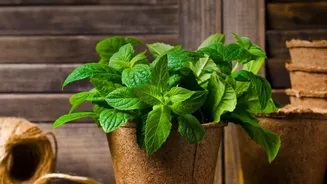
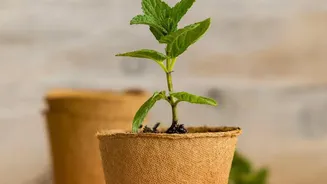
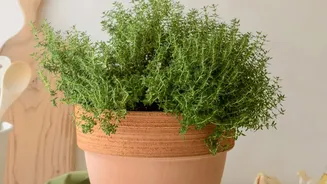
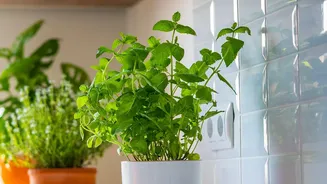
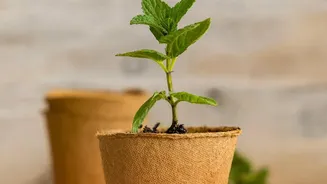
The foundation of a successful windowsill garden is the right container and soil. For herbs like Tulsi, mint, and coriander, choose pots that are at least 6-8 inches in diameter to give roots enough space. Terracotta pots are an excellent choice as they
are porous and allow the soil to breathe, which helps prevent waterlogging. Most importantly, ensure every pot has drainage holes. When it comes to soil, avoid using dense garden soil which can compact in pots and lead to root rot. Instead, opt for a high-quality, well-draining potting mix. These mixes, often containing coco coir, perlite, and compost, provide the perfect balance of moisture retention and aeration for healthy roots.
Caring for Tulsi (Holy Basil)
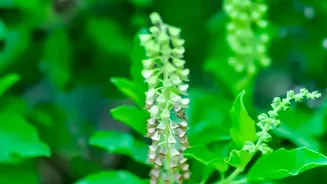
Tulsi, or Holy Basil, is a sun-loving plant that needs special attention during winter. It requires at least 4-6 hours of sunlight each day, so a south-facing windowsill is ideal. If natural light is limited, consider using a grow light to prevent the plant from becoming weak and 'leggy'. Tulsi is very sensitive to cold, so protect it from frosty drafts. Overwatering is a common mistake in winter. Allow the top inch of soil to dry out completely before watering again. You can start Tulsi from seeds or a cutting from an existing plant. For cuttings, place a healthy stem in water until roots develop, then transfer it to your pot.
Cultivating Fresh Mint (Pudina)
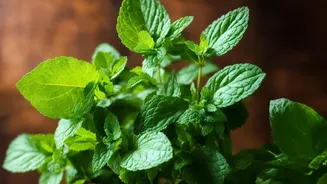
Mint is one of the most forgiving and easiest herbs to grow indoors. It is famously vigorous, so keeping it in its own pot is essential to prevent it from taking over other plants. Mint is less demanding about sunlight than Tulsi and can do well on an east-facing windowsill that gets 4-6 hours of indirect light. Like most herbs, it prefers its soil to be moist but not waterlogged. Water the plant when the top inch of soil feels dry. Mint benefits from regular pruning; trimming the top leaves will encourage it to grow bushier and provide you with a constant supply for your tea and garnishes.
Growing Coriander (Dhania)
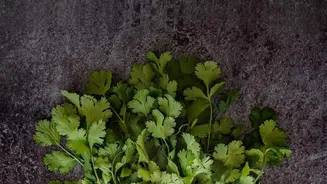
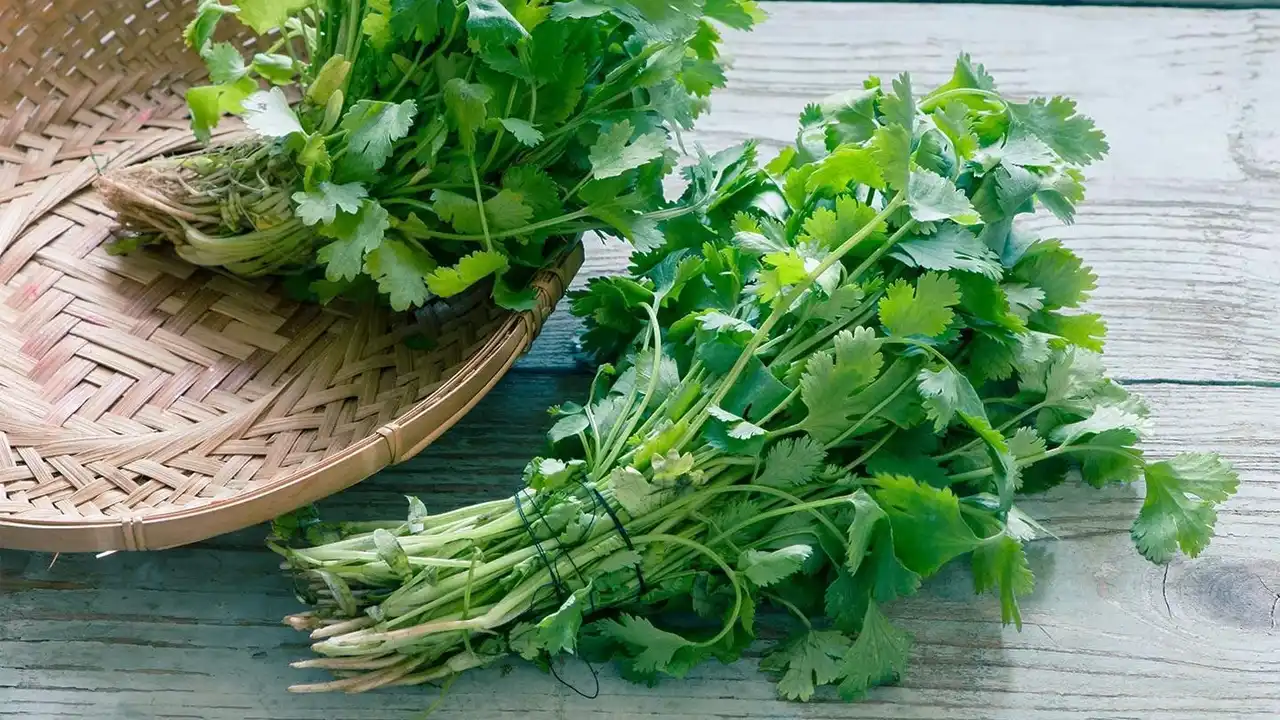
Fresh coriander, or dhania, is a staple in Indian cooking, and having it on hand is a game-changer. Coriander can be grown easily from seeds, which are simply the whole coriander seeds from your spice box. You can lightly crush the seeds before sowing to help speed up germination. Sow the seeds in a pot filled with potting mix and cover them lightly with soil. Coriander is prone to bolting (flowering prematurely) in long daylight hours, which makes winter a great time to grow it for its leaves. Keep the soil consistently moist. You can start harvesting the outer leaves once the plant is about 6 inches tall, which should take about a month.
General Winter Care and Harvesting
Winter indoor gardening requires a slightly different approach. With less light and warmth, plants grow slower and need less water and almost no fertiliser. Always check the soil moisture with your finger before watering to avoid root rot. Rotate your pots every few days to ensure all sides of the plant get some light, promoting even growth. To increase humidity, which can be low indoors during winter, you can place your pots on a tray filled with pebbles and a little water, ensuring the pots themselves are not sitting in the water. When harvesting, trim your herbs regularly. For Tulsi and mint, pinching off the top leaves encourages a bushier plant. For coriander, snip the outer leaves first to allow the plant to keep producing from the centre.