








The Invisible Contaminants in Our Soil
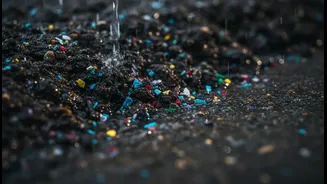
The “microscopic synthetic shards” mentioned are, simply put, microplastics. These are tiny plastic particles, less than 5 millimetres in size, that have become a pervasive pollutant across the globe. They come in various forms, but two are especially
common in urban soil: fragments and fibres. Fragments are bits that break off from larger plastic items like bags, bottles, and packaging. Fibres, on the other hand, are shed from synthetic textiles such as polyester, nylon, and acrylic, which make up a huge portion of our clothing, carpets, and furniture. These materials constantly release tiny fibres when they are made, worn, and especially when washed, creating a persistent source of pollution.
How Cities Become Microplastic Hotspots
Urban environments are major sources of microplastics due to high-density human activity. One of the biggest culprits is tyre wear. As vehicles drive, their synthetic rubber tyres abrade, releasing enormous quantities of tiny particles into the air and onto road surfaces. Another major source is the breakdown of plastic litter and road markings. Even the dust in our homes is laden with microfibres from clothes and furnishings, which eventually finds its way outside. All these particles settle on the ground, mixing with the top layers of soil and dust in our parks, roadsides, and open grounds, essentially turning urban soil into a temporary reservoir for plastic pollution.
The Role of Monsoon Rains
For much of the year, these microplastics may lie relatively dormant, embedded in the topsoil. However, the arrival of heavy monsoon rains changes everything. A powerful downpour acts as a powerful mobilizing force. The intense rainfall generates surface runoff, a flow of water over the land that doesn't soak into the ground. This runoff has enough energy to erode the soil surface, picking up and carrying loose particles with it. Studies have shown that higher rainfall intensity leads to a significantly increased washout of microplastics from the soil. The force of the water detaches the plastic shards and fibres, lifting them out of the soil matrix and into the flowing water, beginning their journey downstream. In India, the strong seasonality of the monsoon has been confirmed to markedly affect the volume of plastics in surface water.
A Journey into Our Waterways
Once dislodged, where do these particles go? The stormwater runoff, now a slurry of rainwater, soil, and microplastics, flows directly into urban drainage systems. From there, it is channelled into nearby rivers, lakes, and eventually, the ocean. Research in India has shown that microplastic concentrations in rivers can jump dramatically after the monsoon begins, effectively acting as a conveyor belt for pollution accumulated on land. For instance, a study of Man Sagar Lake in Jaipur found that microplastic levels in the water were 64% higher post-monsoon, directly linked to runoff from the city's drainage network. This process transforms our rivers and lakes into major pathways for plastic transport, carrying urban waste far beyond the city limits.
The Wider Environmental Impact
The dislodgement and transport of microplastics is more than just moving litter from one place to another. These particles pose a serious threat to aquatic ecosystems. They are ingested by a wide range of organisms, from tiny plankton to large fish, potentially causing physical harm and introducing toxic chemicals into the food chain. Furthermore, as these plastics travel, they can absorb other pollutants like pesticides and heavy metals, becoming more chemically hazardous by the time they reach a river or lake. This invisible flood of synthetic material contaminates our water sources, which many rural communities depend on, and harms the delicate balance of aquatic life, creating a long-term environmental problem with consequences that scientists are only beginning to fully understand.