





Embrace a Different Kind of Holiday
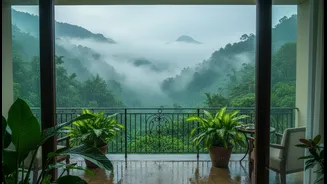
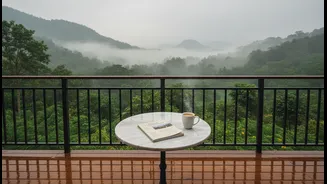
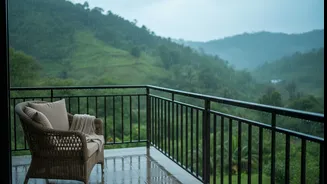
First, let's set the right expectations. A monsoon trip isn't about sunbathing or ticking off a dozen sights in a day. It's about slowing down. Think misty mornings with a hot cup of chai, reading a book by the window as it pours outside, and enjoying
landscapes washed clean and vibrant. It's a time for atmospheric, cosy experiences. The goal isn't to fight the rain but to work with it. Destinations that felt crowded and hectic in peak season become quiet, offering a more intimate experience. Hotels are often cheaper, and popular spots are blissfully empty, allowing you to connect with a place on a different level.
Choose Your Destination Wisely
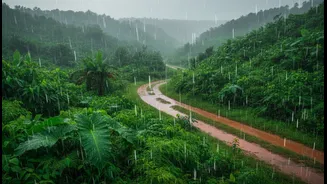
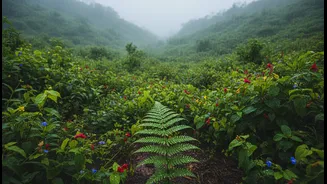
Not all of India is equally safe or accessible during the monsoon. Some Himalayan regions like parts of Uttarakhand and Himachal Pradesh face a high risk of landslides and flash floods, leading to road closures that can leave travellers stranded. Similarly, states like Assam and Odisha can experience severe flooding. Instead, focus on areas where the monsoon enhances the beauty without posing extreme risks. The Western Ghats, including destinations like Coorg, Munnar, Wayanad, and Mahabaleshwar, become breathtakingly green. Places in the rain shadow, like Spiti Valley, receive very little rainfall, though the roads to get there can be treacherous. Rajasthan offers a unique charm, as cities like Udaipur see their lakes fill up, creating a romantic, royal atmosphere under overcast skies.
Plan Realistic Routes and Itineraries
The key to a stress-free monsoon journey is flexibility. Delays are not just possible; they are probable. Flights can be rescheduled, trains might run late, and roads, especially in hilly areas, can get blocked. Build buffer days into your itinerary. Instead of a packed, multi-city tour, consider staying longer in one or two locations. This reduces travel stress and gives you time to explore an area deeply. When booking road travel, check local conditions daily before setting out. Driving at night on unfamiliar, rain-slicked roads should be avoided. If possible, opt for train journeys like the Konkan Railway, which offers spectacular views of the rain-drenched coast between Mumbai and Goa.
Curate Your Activities for the Weather
Your usual holiday activities might need a rethink. Treks should be chosen carefully; while some, like the Valley of Flowers in Uttarakhand, are at their peak, others become dangerously slippery. Always go with experienced local guides. Instead of high-adrenaline sports, embrace monsoon-friendly activities. Visiting waterfalls is a classic, but maintain a safe distance as the flow can be powerful. Explore spice plantations in Goa or Kerala, take a guided walk through lush coffee estates in Coorg, or indulge in an Ayurvedic wellness treatment, which is traditionally considered most effective during this season. Rainy days are perfect for exploring museums, historic forts, and cosy cafes.
Pack Smart to Stay Dry and Comfortable
Your packing list is crucial. Leave the jeans at home; they are heavy and take forever to dry. Instead, opt for lightweight, quick-drying synthetic clothes. A reliable waterproof jacket or poncho is non-negotiable. For footwear, bring slip-proof sandals or floaters for walking around towns and a pair of waterproof shoes with good grip if you plan any nature walks. Protect your electronics with waterproof bags or pouches. A power bank is essential for potential power cuts or long travel delays. Don't forget a strong insect repellent, as mosquitoes are common during this season, and a basic first-aid kit with medicines for common ailments like colds and stomach upsets is always a good idea.
Prioritise Health and Safety
Monsoon brings an increased risk of waterborne diseases. Drink only bottled, boiled, or purified water to stay safe. Be cautious with street food, especially items that use raw water like chutneys or juices. Food that has been sitting out in humid conditions can grow bacteria quickly. Opt for freshly cooked, hot meals from clean, busy establishments. When walking, be mindful of slippery surfaces and avoid wading through flooded streets, as the water can hide open drains or other hazards. Also, never venture into the sea on the west coast, as currents are dangerously rough during the monsoon.