





A Major Boost for Accessibility
In a significant move to enhance travel flexibility for international visitors, India has increased its e-visa enabled entry points to a total of 88. According to the Ministry of Home Affairs, this expansion includes 37 airports, 38 seaports, and 13 land
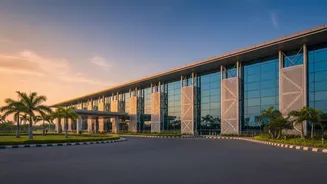
ports. The latest additions feature two new airports, Bhopal and Tirupati, and nine land border crossings, making it more convenient than ever to enter the country from various regions. This development is a clear signal of India's commitment to simplifying its visa regime and welcoming a greater number of tourists, business travelers, and medical visitors. The expansion strategically covers a wider geographical spread, opening up new travel circuits and making remote destinations more accessible.
Understanding the Indian E-Visa
First introduced in 2014, the Indian e-visa is an Electronic Travel Authorization (ETA) that allows citizens of eligible countries to apply for a visa online without visiting an Indian embassy or consulate. The system has been widely praised for its efficiency, with the government stating that approximately 95% of e-visa applications are processed within 72 hours. The e-visa is available for various purposes, grouped into several sub-categories, including tourism, business, medical treatment, and attending conferences. This digital-first approach now accounts for the vast majority of visas issued by India, reflecting a major shift towards a more modern and user-friendly system for legitimate international travelers.
New Gateways: Airports, Seaports, and Land Borders
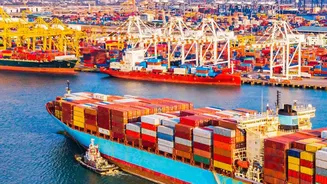
The expansion to 88 ports is comprehensive. While major international airports like Delhi, Mumbai, Bengaluru, and Chennai have long been part of the program, the addition of airports like Bhopal and Tirupati opens up central and southern India further. More notable is the inclusion of nine new land ports. These include key crossings on the borders with Bangladesh (like Agartala, Gede, and Haridaspur), Bhutan (Jaigaon), Myanmar (Moreh), and significantly, the Attari Road border with Pakistan. This makes overland travel into India from neighboring countries a much more viable option for e-visa holders. The network now also boasts 38 seaports, facilitating entry for those arriving via cruise ships or other maritime routes.
Who Can Apply and How?
The e-visa facility is available to citizens of over 170 countries, though it's crucial for travelers to check the official Indian e-visa portal for the most current list before applying. The application process is conducted entirely online. Applicants need a scanned copy of their passport's bio page and a recent passport-style photograph against a white background. The process involves filling out an online form, uploading the required documents, and paying the visa fee using a credit or debit card. Once approved, the Electronic Travel Authorization (ETA) is sent to the applicant's email address. A printout of this ETA must be presented to immigration officers upon arrival at one of the 88 designated ports, where the visa will be stamped into the passport.
What This Means for Travelers
This expansion is more than just a numbers game; it represents a fundamental enhancement of travel freedom and flexibility. Tourists can now plan more diverse itineraries, entering through a land border in the east and flying out from a southern city, for example. Business travelers have quicker access to industrial and commercial hubs that are now served by e-visa enabled airports. The streamlined process, combined with the expanded network of entry points, solidifies India's position as an increasingly accessible and welcoming destination. It reduces the bureaucratic hurdles that once deterred short-term visitors and encourages more spontaneous and varied travel plans across the subcontinent.