




The Rise of Ragi in Indian Kitchens
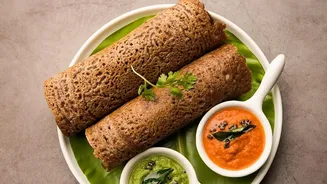
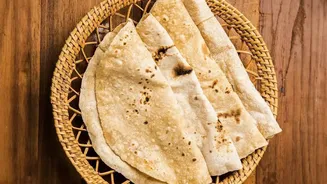
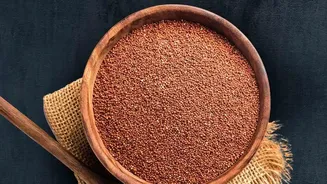
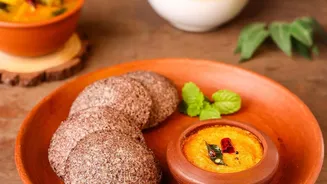
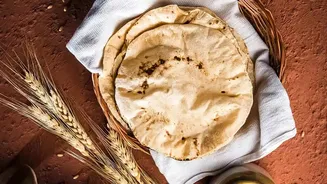
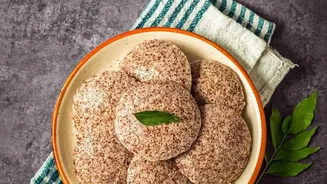
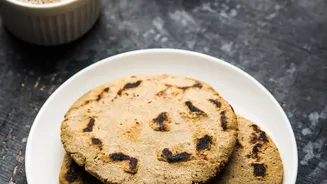
Ragi has been a staple in Indian diets for centuries, especially in southern states and Maharashtra, cherished for its resilience as a crop and its immense health benefits. This gluten-free grain is making a huge comeback, moving from traditional porridges
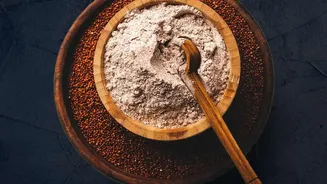
and rotis to a star ingredient in contemporary baking. Its unique, slightly nutty and earthy flavour pairs wonderfully with both sweet and savoury ingredients, offering a fantastic canvas for culinary creativity. Rich in dietary fiber, iron, and calcium, baking with ragi flour is a simple way to boost the nutritional value of your favourite treats without compromising on taste.
Idea 1: Classic Ragi-Jaggery Cookies
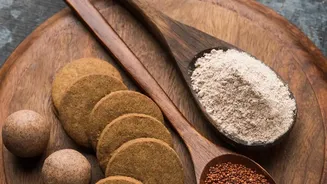
This is the perfect starting point for any aspiring millet baker. Combining the deep, earthy notes of ragi with the caramel-like sweetness of jaggery creates a timeless flavour profile. For a classic South Indian touch, add a pinch of cardamom powder to the dough. Because ragi is gluten-free, it doesn't create the same structure as wheat flour. A good tip is to mix ragi with whole wheat flour or a bit of besan to improve texture, or use ghee to help bind the dough. The resulting cookies are delightfully crunchy and a wholesome snack for any time of the day.
Idea 2: Savoury Masala Ragi Biscuits
Who says all baked goods have to be sweet? Give your cookies a savoury twist inspired by the flavours of Indian snacks. Create a dough using ragi flour, a small amount of whole wheat flour for binding, and spices like red chilli flakes, oregano, or even a classic pav bhaji masala. The key to a good savoury biscuit is balance. The robustness of ragi stands up well to bold spices. These biscuits are perfect for tea time, served with a side of chutney or simply on their own. You can even add finely chopped garlic or onions for an extra layer of flavour.
Idea 3: Soft & Moist Ragi Banana Bread
Banana bread is a beloved classic, and ragi adds a wonderful new dimension to it. The natural sweetness and moisture from overripe bananas help to combat the density that can sometimes come with ragi flour. This pairing results in a surprisingly soft and moist loaf. For a richer flavour, consider adding cocoa powder, as chocolate and ragi are a fantastic combination. You can sweeten it naturally with jaggery or a bit of honey. A sprinkle of chopped walnuts or choco-chips on top before baking adds a delightful crunch.
Idea 4: No-Knead Ragi and Seed Bread
Baking bread with ragi can seem intimidating, but no-knead recipes make it accessible to everyone. Ragi flour is dense and absorbs a lot of water, so achieving the right hydration is crucial. Many gluten-free ragi bread recipes use a binding agent like psyllium husk (isabgol) to create a soft, bread-like texture without any gluten. Incorporate a mix of seeds like sesame, flax, and pumpkin seeds into the dough and as a topping. This not only adds texture and flavour but also boosts the nutritional content, making each slice a powerhouse of fibre and healthy fats.
Tips for Successful Ragi Baking
Baking with ragi flour requires a few adjustments. Since it's gluten-free, it doesn't have the same binding properties as wheat flour. For lighter cakes and breads, you can start by mixing ragi with whole wheat or all-purpose flour in a 1:1 ratio. Roasting ragi flour lightly before using it can enhance its nutty flavour and reduce any bitterness. Ragi doughs and batters can be denser, so using leavening agents like baking powder and soda is important. Also, letting the dough rest allows the flour to fully hydrate, which is especially important for breads.