








The Illusion of Familiarity
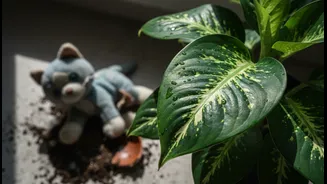
Long-term cohabitation with a plant doesn't guarantee its safety. Many poisonous plants don't cause harm through casual contact alone; the danger often lies in ingestion. A child’s curiosity or a pet’s exploratory nibble can turn a familiar garden feature
into a sudden emergency. Furthermore, a single plant can have varying levels of toxicity in its different parts—leaves, seeds, flowers, or sap. You may have safely pruned a shrub for years, unaware that its berries are highly toxic if eaten. This perceived safety can be misleading, creating a blind spot in our home safety assessments.
Common Culprits in Indian Gardens
Many beautiful and common plants in Indian homes and gardens carry hidden risks. Oleander (Kaner), with its beautiful flowers, is extremely toxic; all parts of the plant can cause severe symptoms or even death if ingested. The Castor Bean plant, from which castor oil is made, produces seeds containing the highly potent poison ricin. Chewing even one or two seeds can be fatal. Others like the beautiful Datura, with its trumpet-shaped flowers, and the Cerbera odollam, sometimes called the 'suicide tree', are also deceptively dangerous. Even parts of the popular Cassava plant are poisonous if not prepared correctly.
When Symptoms Are Not Immediate
Another layer of danger is the delayed onset of symptoms. Unlike an allergy that appears quickly, some of the most severe plant poisonings manifest hours or even a day after ingestion. For instance, after chewing castor beans, severe gastrointestinal issues may be delayed, followed by neurological symptoms. The toxins in certain plants like azaleas or rhododendrons can cause initial burning in the mouth, with more serious cardiac or neurological symptoms appearing hours later. This delay makes it difficult for parents or pet owners to connect the sudden illness to a plant eaten earlier, complicating diagnosis and treatment.
Children and Pets Are Most Vulnerable
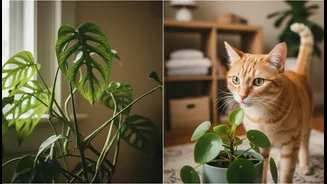
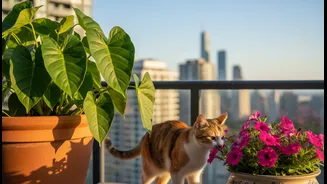
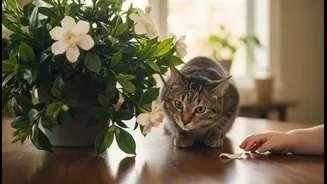
Curiosity is the primary driver of plant poisoning incidents among young children and pets. Toddlers explore their world by putting things in their mouths, and a colourful berry or leaf can be an irresistible temptation. Pets, particularly dogs and cats, may chew on plants out of boredom or curiosity. Because of their smaller body size, a toxic dose for a child or pet is much smaller than for an adult. It's crucial to know that some plants, like lilies, are especially toxic to cats, while others like the Sago Palm are extremely dangerous for dogs. Creating a safe environment means being aware of these specific vulnerabilities.
A Proactive Safety Checklist
Instead of living in fear of your garden, take proactive steps to ensure its safety. First, identify what’s growing there. Use a reliable plant identification app like PlantNet or PictureThis, which are popular in India, to get started. For confirmation, you can consult a local nursery or botanical expert. Once identified, research each plant for any known toxicity. Teach children from a young age never to eat any part of a plant without permission from an adult. If you have highly toxic plants in areas accessible to children or pets, consider moving them to unreachable spots or replacing them with safe alternatives like sunflowers, roses, or zinnias. Ensure your garden is free of potentially toxic weeds and mushrooms as well.