







The Great Visa Wait Time Puzzle
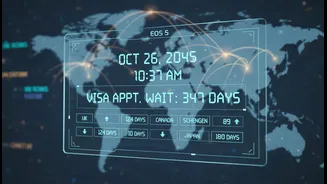
If you've checked the U.S. visa appointment portal recently, you're familiar with the long delays. For first-time B1/B2 visitor visa applicants, wait times in India can range from 100 to over 250 days. Recent data from July 2026 shows waits of up to 9.5
months in high-demand cities like Mumbai and Hyderabad. New Delhi often hovers around a 7.5-month wait, while Chennai and Kolkata tend to be shorter, at approximately 5.5 and 4 months, respectively. These staggering delays are a legacy of pandemic-era backlogs combined with unprecedented demand. The good news is that these numbers are a significant improvement from the 800-day peaks seen in previous years, thanks to increased consular staffing in India. The key takeaway is that wait times are not uniform; they fluctuate based on the specific consulate's workload and capacity.
Checking Your Options Within India
Before looking abroad, the first strategic step is to look at all domestic options. The U.S. Mission to India allows applicants to schedule their interview at any of the five posts—New Delhi, Mumbai, Chennai, Hyderabad, or Kolkata—regardless of where they live. This flexibility is a significant advantage. If you live in Mumbai but see that Kolkata has appointments available months earlier, you can book a slot there. While this involves travel and accommodation costs, it could be a worthwhile trade-off for securing a visa in time for planned travel. Experts advise applicants to book the first available appointment, no matter how far out, and then regularly check the portal for cancellations or newly released slots. It’s common for earlier dates to pop up, allowing you to reschedule.
The 'Third Country National' Strategy
For those with urgent travel needs, the idea of applying for a US visa in another country—a practice known as Third Country National (TCN) processing—is tempting. Some countries in Southeast Asia and the Middle East often have much shorter wait times, sometimes just a few weeks. However, this path comes with major caveats. In late 2025, the U.S. Department of State issued guidance directing applicants to apply in their country of nationality or residence. While not an outright ban, it signals that consulates will prioritize residents and may find it harder to approve a TCN applicant. You risk traveling to another country only to face increased scrutiny or even a refusal. Before considering this option, it's crucial to check the specific U.S. consulate's website in that country for its policy on accepting applications from non-residents.
Don't Forget the Dropbox Option
The fastest route by far is the interview waiver program, commonly known as 'dropbox'. This allows eligible applicants to renew their visa without an in-person interview. For those who qualify, the end-to-end process typically takes just two to six weeks. However, eligibility rules have become stricter. As of 2026, the program is mainly available for B1/B2 visa renewals where the previous visa is still valid or expired within the last 12 months. The previous 48-month renewal window that was active during the pandemic has been discontinued. Many other visa categories, including H-1B and F-1, were removed from the interview waiver program in late 2025 and now require an in-person interview for renewals. Always verify your eligibility using the official tools on the U.S. visa scheduling website before assuming you can use the dropbox facility.
A Practical Checklist for Applicants
Navigating the visa process requires a clear plan. First, complete your DS-160 application form and pay the fee to gain access to the appointment calendar. Then, regularly monitor the wait times across all five consulates in India. Be prepared to book an appointment in a different city if it saves you months of waiting. If considering applying abroad, thoroughly research the TCN policy of that specific consulate. Finally, if you are renewing your visa, double-check your eligibility for the interview waiver (dropbox), as this remains the most efficient option. Always rely on the official U.S. Department of State and its scheduling partner websites for the most accurate and up-to-date information, as wait times can change weekly.