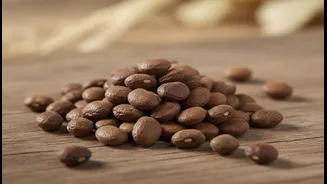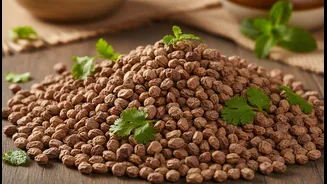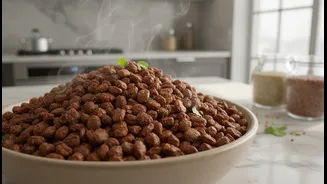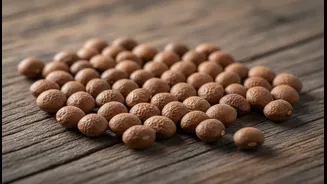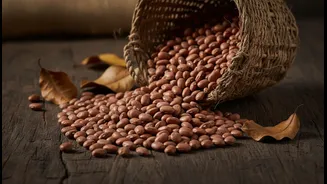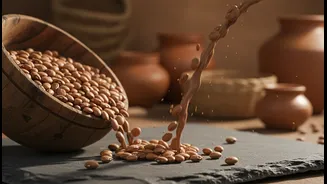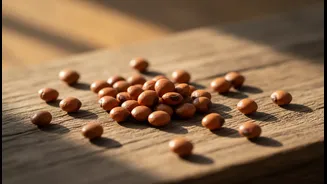



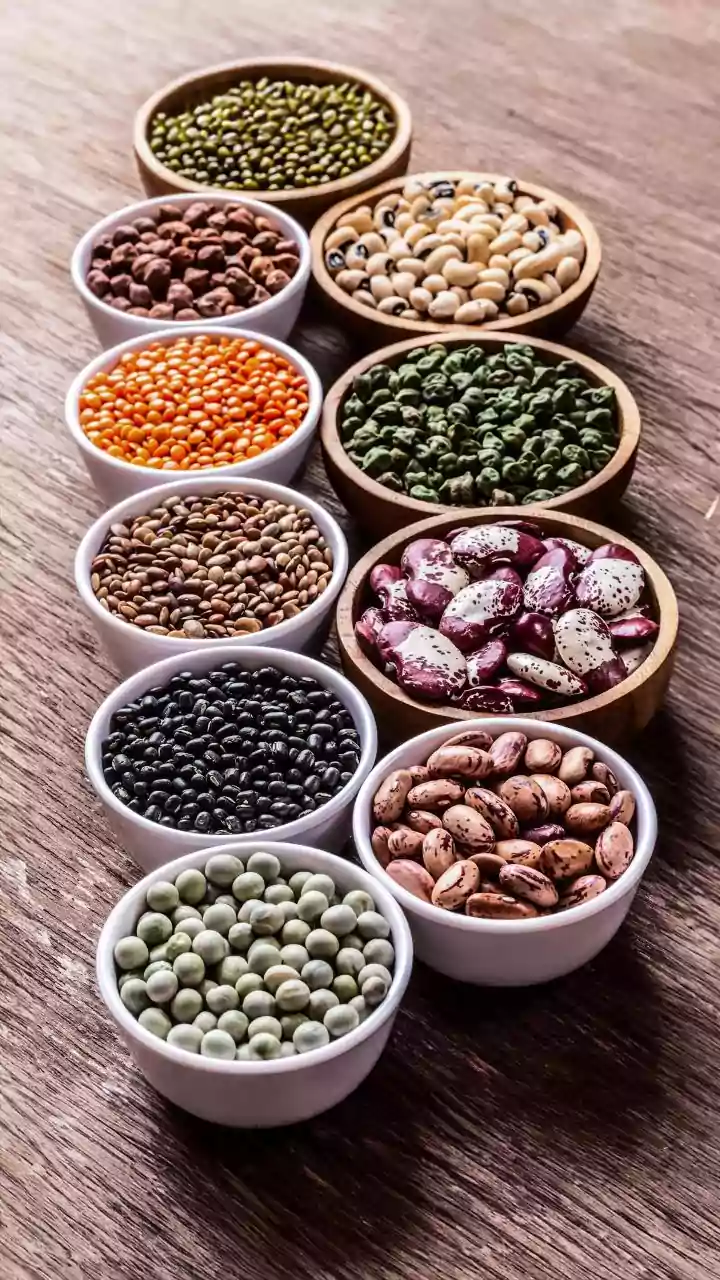
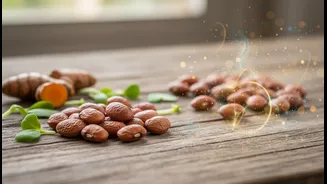


What Is Horse Gram?
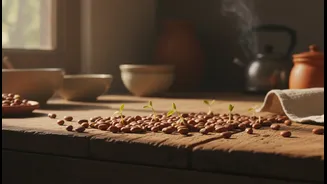
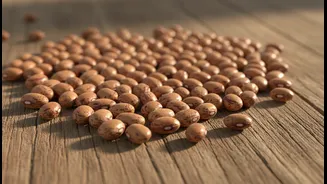
Known as kulthi in Hindi, kollu in Tamil, and ulavalu in Telugu, horse gram (Macrotyloma uniflorum) is a small, resilient legume that has been cultivated in India for thousands of years. It earned its English name from its traditional use as a high-energy
feed for horses and cattle. Historically, it has been regarded as a food for the rural poor due to its ability to grow in harsh, arid conditions where other crops might fail. Despite its reputation as a humble crop, it’s one of the most protein-rich lentils available. This hardy pulse, with its distinct earthy flavour, is now stepping into the spotlight for its immense health benefits and culinary versatility.
A Nutritional Powerhouse
Don't let its small size fool you; horse gram is packed with nutrition. It is an excellent source of plant-based protein, dietary fibre, iron, calcium, phosphorus, and molybdenum. In fact, it has the highest calcium content among all pulses and is one of the richest vegetarian sources of protein. Its nutritional profile makes it a fantastic addition to a balanced diet, especially for vegetarians and those looking to boost their protein intake without relying on meat. Traditional Ayurvedic medicine has long celebrated horse gram for its therapeutic properties, using it to treat ailments ranging from the common cold and fever to kidney stones and asthma. Its high fibre content aids in digestion and promotes a feeling of fullness, making it a popular choice for weight management.
From Farm Staple to Urban Superfood
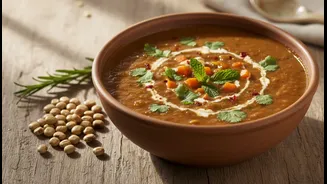
For generations, horse gram was primarily consumed in rural households, often in simple preparations like dals, soups, or porridges. Its perception as a 'poor man's food' kept it out of mainstream urban markets. However, a cultural shift is underway. As urban Indians become more health-conscious and seek out sustainable, local food sources, forgotten grains and pulses are being rediscovered. The rising interest in traditional, nutrient-dense foods has propelled horse gram from relative obscurity into the menus of trendy cafes and the shelves of health food stores. Nutritionists and food bloggers are championing its benefits, leading to a surge in demand from a new generation of consumers who value authenticity and wellness.
A Modern Culinary Revival
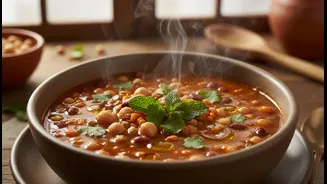
Chefs and home cooks are now experimenting with horse gram in innovative ways, moving beyond traditional recipes. While classic dishes like Kulthi Dal, Kollu Rasam (a spicy soup), and Ulavalu Charu remain popular, the pulse is now finding its way into salads, chutneys, and even flour for rotis and dosas. You might find sprouted horse gram in salads for an extra crunch and a boost of nutrients, or ground into a powder to be added to smoothies and energy bars. Creative recipes include horse gram tikkis, idlis, and even a vegetarian Mexican chili, showcasing the legume's incredible versatility. This culinary renaissance proves that this ancient pulse can easily adapt to the modern palate.