
The Allure of a Rain-Washed Safari
The common belief is that wildlife tourism in India shuts down from July to September. While it's true that many core zones of national parks close to protect the habitat during the rains and for animal breeding season, the adventure is far from over.
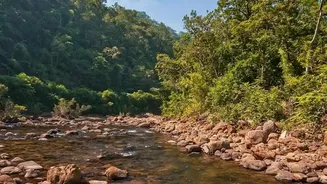
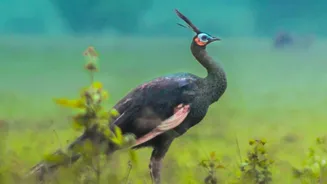
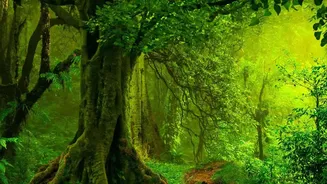
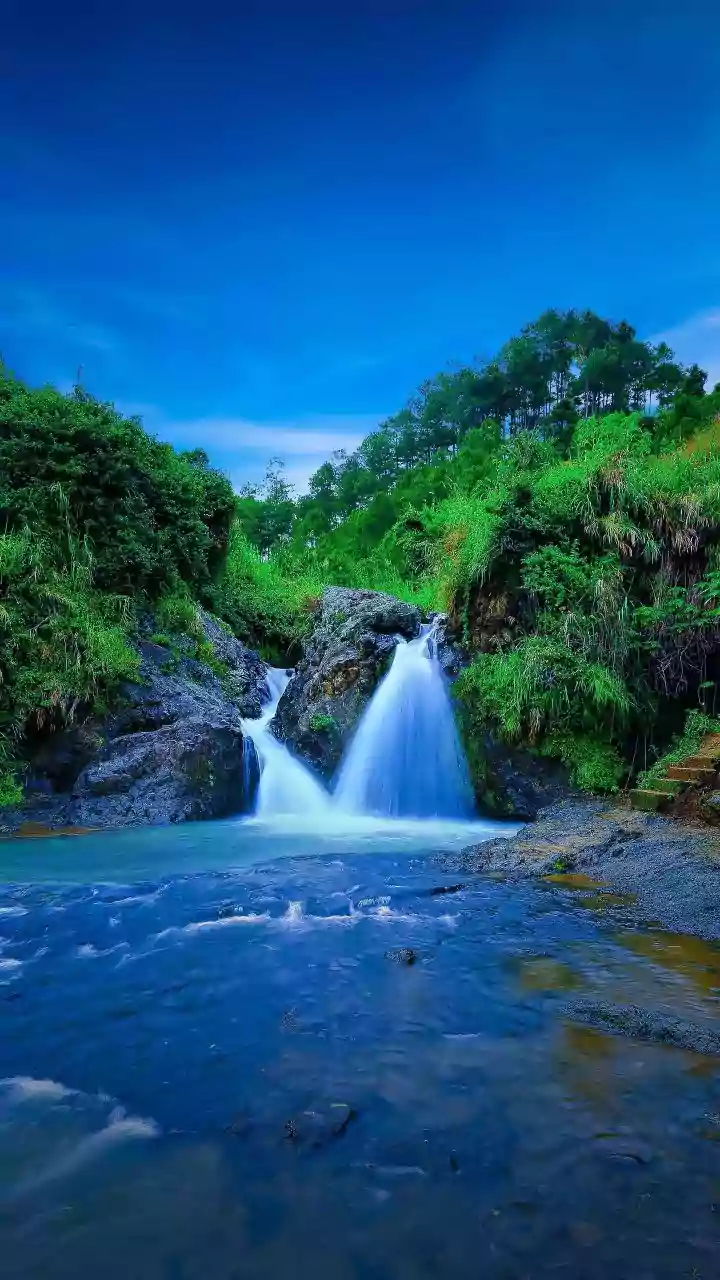
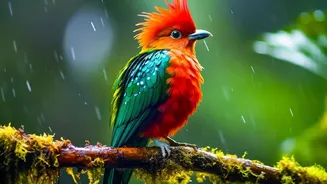
Several parks keep their buffer zones, and in some cases entire reserves, open to visitors. The monsoon transforms the landscape. Dust settles, replaced by a carpet of vibrant green. The air is thick with the scent of wet earth, and the forest symphony is punctuated by birdsong and the rhythm of the rain. This season offers a more intimate, serene experience with significantly fewer tourists, often at lower prices. For photographers, the soft, diffused light and dramatic, misty skies provide a stunning backdrop for capturing the raw beauty of the wilderness.
Destination: Periyar National Park, Kerala
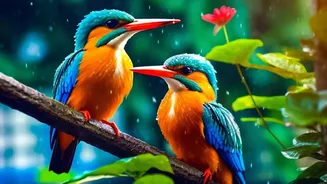
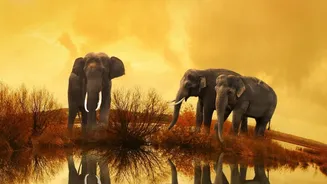
Nestled in the Western Ghats, Periyar National Park in Kerala is one of the few sanctuaries that remains open year-round and is arguably at its best during the monsoon. The park, known for its significant elephant population, becomes a lush paradise. The primary way to experience Periyar is via a boat safari on the expansive Periyar Lake. During August, the higher water levels allow boats to navigate through creeks and coves, offering unique vantage points. Herds of elephants are frequently seen along the water's edge, along with sambar deer, Indian gaur (bison), and wild boar. The region's rich biodiversity is on full display, and birdwatchers can spot species like the great Indian hornbill and various kingfishers. The entire experience is enchanting, with mist-covered hills framing the deep green forests.
Exploring the Buffer Zones
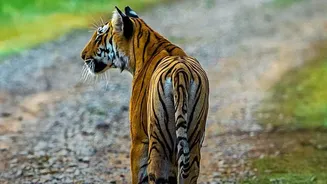
Many of India's premier tiger reserves, while closing their core areas, keep their buffer zones accessible for safaris. These peripheral areas are not just empty forests; they are teeming with life as animals move freely across invisible boundaries. In Rajasthan, Ranthambore National Park keeps zones 6 through 10 open, offering a chance to see its famed tigers against a backdrop of rain-soaked historical ruins. In Central India, the buffer zones of parks like Tadoba, Pench, and Bandhavgarh in Maharashtra and Madhya Pradesh also welcome visitors. While tiger sightings can be more challenging due to dense vegetation, the cool weather means animals, including big cats, can be active for longer periods during the day.
Adventures in Karnataka's Jungles
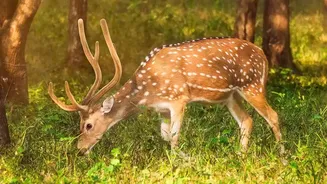
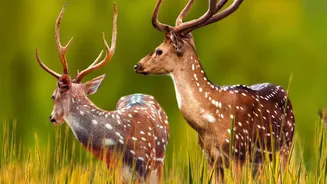
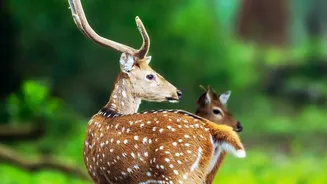
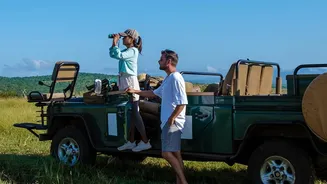
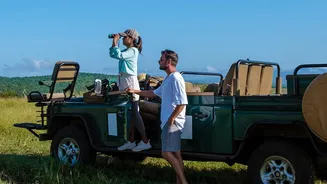
Karnataka's wildlife sanctuaries are fantastic destinations for a monsoon adventure. Kabini, part of the Nagarhole National Park, remains open and offers a spectacular experience. The Kabini River swells, and boat safaris become a primary activity, offering sightings of large elephant herds, crocodiles, and a plethora of birdlife. The forest is incredibly dense and green, making for a thrilling jeep safari where you might spot leopards, dholes (wild dogs), or even a tiger making a rare appearance through the foliage. Nearby, Bandipur National Park also offers safaris, bursting into vibrant shades of green after the rains. Safaris here often reveal elephants, spotted deer, and langurs.
Corbett's Monsoon Corridors
Jim Corbett National Park, India's oldest, also offers a monsoon experience. While its famous core zones like Dhikala and Bijrani are closed, the Jhirna, Dhela, and Sitabani buffer zones remain open for jeep safaris. These areas feature a mix of dense forest and grasslands and are home to tigers, leopards, and elephants. The Ramganga River is full, and the landscape is breathtakingly beautiful. Visiting Corbett in August means you can enjoy the wilderness without the crowds that flock here in peak season, offering a more peaceful and personal connection with nature.
Tips for Your Monsoon Trip
A monsoon safari requires some preparation. Pack lightweight, quick-drying clothes in neutral colours. Waterproofing is key, so bring a good rain jacket and waterproof bags for electronics. Sturdy, waterproof footwear is a must, and leech socks are highly recommended for any jungle walks. Insect repellent will be your best friend. While permits might be easier to get than in peak season, it's still wise to book your safaris and accommodation in advance. Most importantly, be flexible. Heavy rains can sometimes lead to temporary trail closures or safari cancellations, so embrace the unpredictability as part of the adventure.