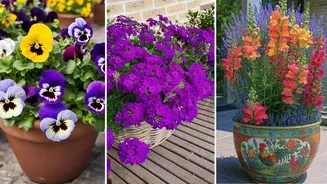




As winter's cool embrace settles over India, gardens don't have to turn dull. Now is the perfect time to introduce vibrant, easy-to-grow flowers that thrive in the milder weather. Among the best are the cheerful petunia and the elegant snapdragon.
Your Winter Garden's Best Friends
Winter
is arguably the most rewarding season for gardening in many parts of India. The cooler, sunny days provide an ideal environment for a host of flowering annuals that struggle in the intense summer heat. Petunias and snapdragons (also known as Antirrhinum) are star performers, beloved for their profuse blooming, stunning range of colours, and suitability for pots, hanging baskets, and garden beds alike. They are considered low-maintenance options, making them perfect for both seasoned gardeners and beginners looking to add a splash of life to their balconies and terraces.
The Prolific Petunia: A Beginner's Delight
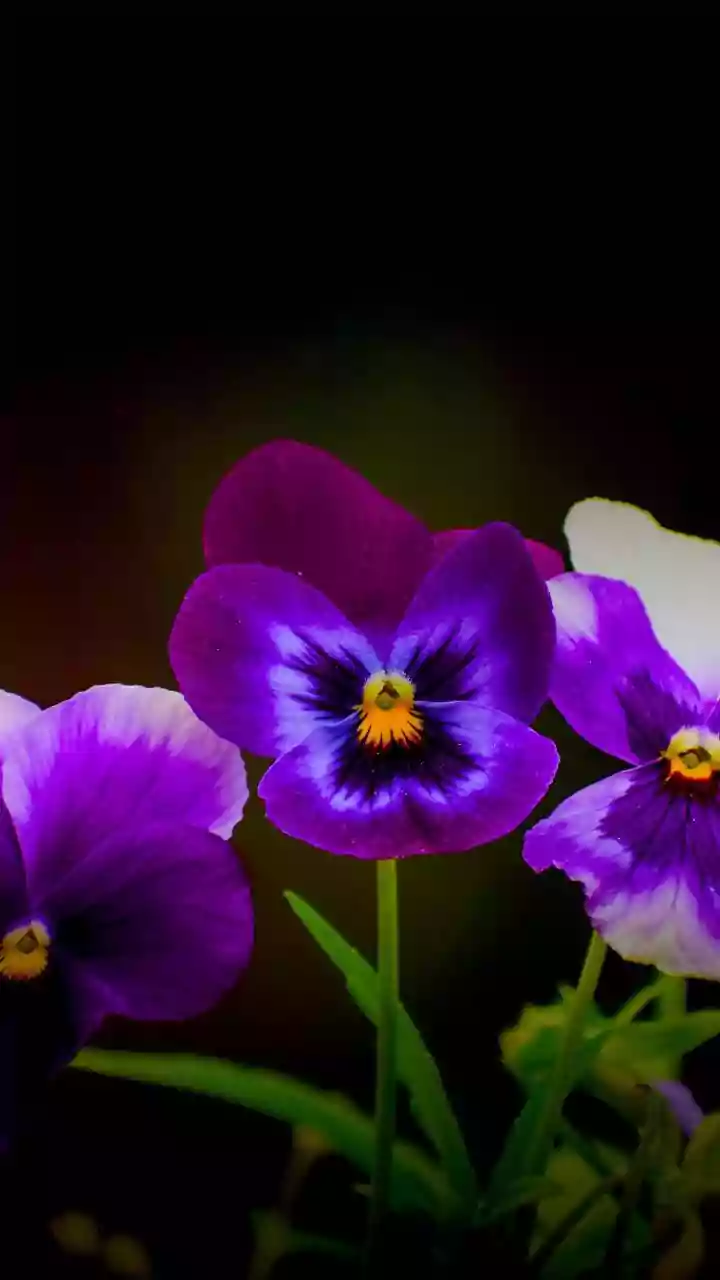
The petunia is often called the reigning monarch of Indian winter balcony gardens, and for good reason. These trumpet-shaped flowers come in nearly every colour imaginable, from deep purples and velvety reds to pure whites and festive stripes. They are exceptionally well-suited for containers, especially hanging baskets where their trailing varieties can spill over the edges in a cascade of colour. In most of India's plains, petunias act as winter annuals, growing rapidly during the cool months and flowering from December through to March before the summer heat arrives.
How to Grow Happy Petunias
Success with petunias starts with the right foundation. They require at least five to six hours of direct sunlight daily to produce abundant blooms; in shade, they become 'leggy' with few flowers. Use a well-draining potting mix—an equal-parts blend of garden soil, compost (like vermicompost), and cocopeat is a great start. You can grow them from seeds, which are as fine as dust and need light to germinate, so just press them onto the soil surface without covering them. Alternatively, for an easier start, buy healthy saplings from a local nursery. Water only when the top inch of soil feels dry, and 'deadhead' or pinch off faded flowers regularly to encourage the plant to produce more blooms instead of seeds.
The Stately Snapdragon: Vertical Charm
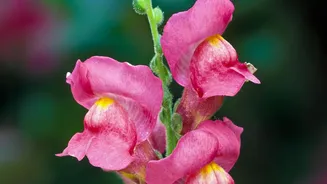
Snapdragons add a touch of whimsy and vertical interest to any garden. Famous for their unique, dragon-shaped flowers that 'snap' open when squeezed, they are a delight for all ages. They come in dwarf (6-15 inches), medium, and tall varieties (up to 3 feet), making them versatile for everything from container edges to the back of a flower bed. The tall varieties, like the 'Rocket' series, also make for excellent cut flowers that last for over a week in a vase. They thrive in India's cooler months, with some being surprisingly tolerant of light frost.
Planting and Nurturing Snapdragons
The best time to plant snapdragons in the North Indian plains is from September to October, allowing them to establish before blooming through winter. Like petunias, they need full sun and well-draining soil. Snapdragon seeds also require light to germinate, so sow them on the surface of the soil and press lightly. A key tip for bushier plants and more flower spikes is to pinch the top of the young plant when it has a few sets of leaves. Keep the soil consistently moist but not waterlogged, and be prepared to stake taller varieties to prevent them from falling over in the wind.
Avoiding Common Pitfalls
The most common mistake with both plants is overwatering, which can lead to root rot and yellowing leaves. Always check the soil moisture before watering. Another issue can be powdery mildew, a white fungal coating on leaves, especially in humid but dry weather. Ensure good air circulation by not crowding your plants. Pests like aphids can sometimes appear; these can often be managed with a simple spray of neem oil solution. If plants get leggy and sparse, it's almost always a sign they need more direct sunlight.