



From Necessity to Philosophy
Low-water gardening, often known as xeriscaping, has officially shed its reputation as a last-resort measure. Once seen as a landscape of just rocks and cacti, it has blossomed into a sophisticated and sought-after design movement. The core idea is no longer
just about survival during dry spells; it's about creating resilient, beautiful spaces that work with nature, not against it. This shift in perspective is the most important lesson gardeners have learned. Instead of imposing a water-hungry English garden on a dry climate, the modern approach embraces the beauty of plants that are naturally suited to their environment. This means less time fighting to keep delicate plants alive and more time enjoying a garden that is both self-sufficient and stunning.
The Real Design Lesson: Working With Nature
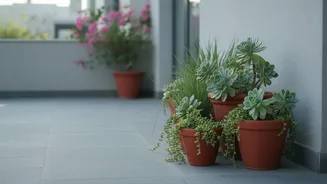
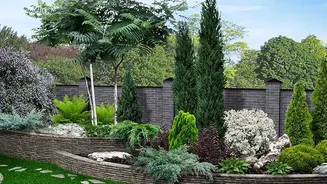
The fundamental design lesson from the low-water shift is this: harmony over struggle. It teaches us to observe our environment and make smart choices. This involves grouping plants with similar water needs together, a practice called 'hydrozoning'. An 'oasis zone' near a patio might feature slightly thirstier plants where they can be most enjoyed, while the outer, sunnier edges of the garden can be home to tougher, more drought-tolerant species. It also involves improving the soil with mulch to retain moisture and suppress weeds. The result is a garden that is not only water-efficient but also healthier and more cohesive, creating a balanced ecosystem rather than a collection of struggling individuals.
Rethinking Beauty: Texture, Form, and Colour
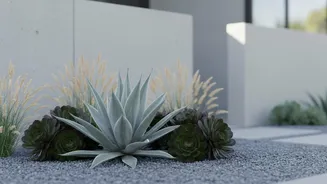
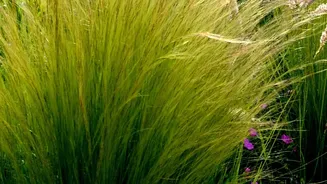
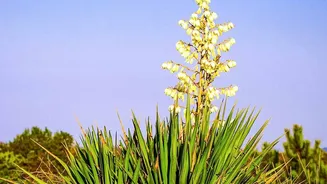
Forget the myth of the barren, boring dry garden. A low-water palette is incredibly diverse, focusing on texture, form, and year-round interest. Think of the silvery-grey foliage of Russian Sage or Lamb's Ear, the spiky architecture of Agave, and the soft, flowing movement of ornamental grasses like Blue Oat Grass. These plants offer a different kind of beauty, one that is subtle yet dramatic. Colour comes from vibrant, hardy bloomers that thrive in the heat. It’s a design language that values structure and foliage as much as flowers, ensuring the garden looks intentional and captivating through all seasons, not just when it’s in full bloom.
A Palette For Indian Gardens
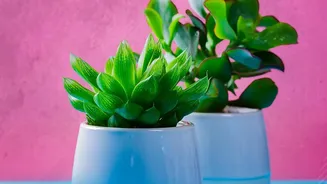
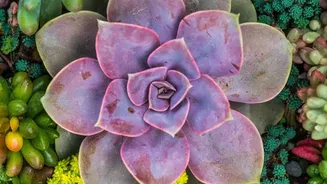
For home gardeners in India, this design philosophy is particularly relevant. Instead of struggling with traditional lawns, one can embrace a rich variety of native and adapted plants that are naturally resilient to the heat. Bougainvillea, with its riot of colour, is a classic drought-tolerant choice that requires very little care once established. Lantana and Vinca (Sadabahar) provide constant blooms and attract butterflies, creating a lively garden. For structural beauty, succulents like Agave and various types of Euphorbia provide a modern, sculptural look. In sun-drenched beds, flowers like Gaillardia (Blanket Flower), Zinnia, and Portulaca (Moss Rose) offer brilliant colour without demanding constant watering. These plants are not just substitutes; they are stunning choices that define a uniquely Indian garden aesthetic.
Smart Design Means Less Work
One of the most appealing aspects of a low-water garden is the significant reduction in maintenance. Choosing plants adapted to the local climate means less need for fertilisers and pesticides, as these hardy varieties are often naturally resistant to local pests and diseases. Less watering is the obvious benefit, but this also leads to fewer weeds. By replacing a thirsty lawn with thoughtfully arranged beds of perennials, shrubs, and groundcovers, you also eliminate the endless chore of mowing. Ultimately, a garden designed with low-water principles gives you back your most precious resource: time. It creates a space for relaxation and enjoyment, not constant labour.