



The Humidity Deception
When the monsoon arrives, the drop in temperature makes us feel cooler. However, the air is saturated with moisture. This high humidity prevents our sweat from evaporating efficiently, which is the body's primary cooling mechanism. As a result, our internal
temperature can rise without us feeling overtly hot or thirsty. Your body continues to lose water and essential salts through sweat, even if it doesn't feel like it. This disconnect between perceived thirst and actual fluid loss is why many people unknowingly become dehydrated during the rainy season, leading to fatigue, headaches, and a weakened immune system.
Beyond Just Water: The Electrolyte Factor
While drinking plain water is fundamental, it's not the complete solution, especially in a humid climate. When you sweat, you lose not just water but also electrolytes like sodium, potassium, and magnesium. These minerals are vital for nerve function, muscle contractions, and maintaining proper fluid balance. Simply chugging litres of plain water can sometimes dilute the remaining electrolytes in your body, a condition known as hyponatremia. Therefore, a holistic monsoon hydration strategy must include sources that replenish both fluids and these essential salts. This is where your diet plays a starring role.
Safe Sips for the Season
The risk of water-borne diseases like cholera and typhoid increases during the monsoon due to contamination of water sources. Prioritising safety is paramount. Always drink boiled and cooled water or water from a reliable purifier. Beyond that, diversify your fluid intake. Warm herbal teas with ginger or tulsi not only hydrate but also boost immunity. A bowl of light, warm soup (like dal or vegetable broth) is an excellent way to get both fluids and nutrients. Traditional Indian drinks like buttermilk (chaas) and lassi are probiotic-rich and help replenish electrolytes, making them perfect for monsoon wellness. Coconut water remains a top choice as a natural, sterile source of electrolytes.
Eat Your Water: Hydrating Foods
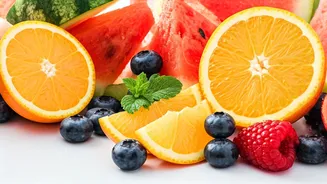
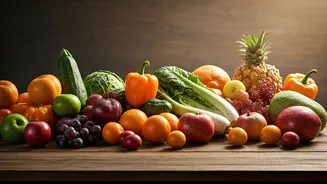
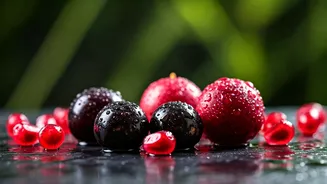
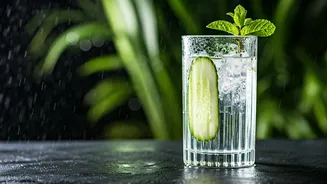
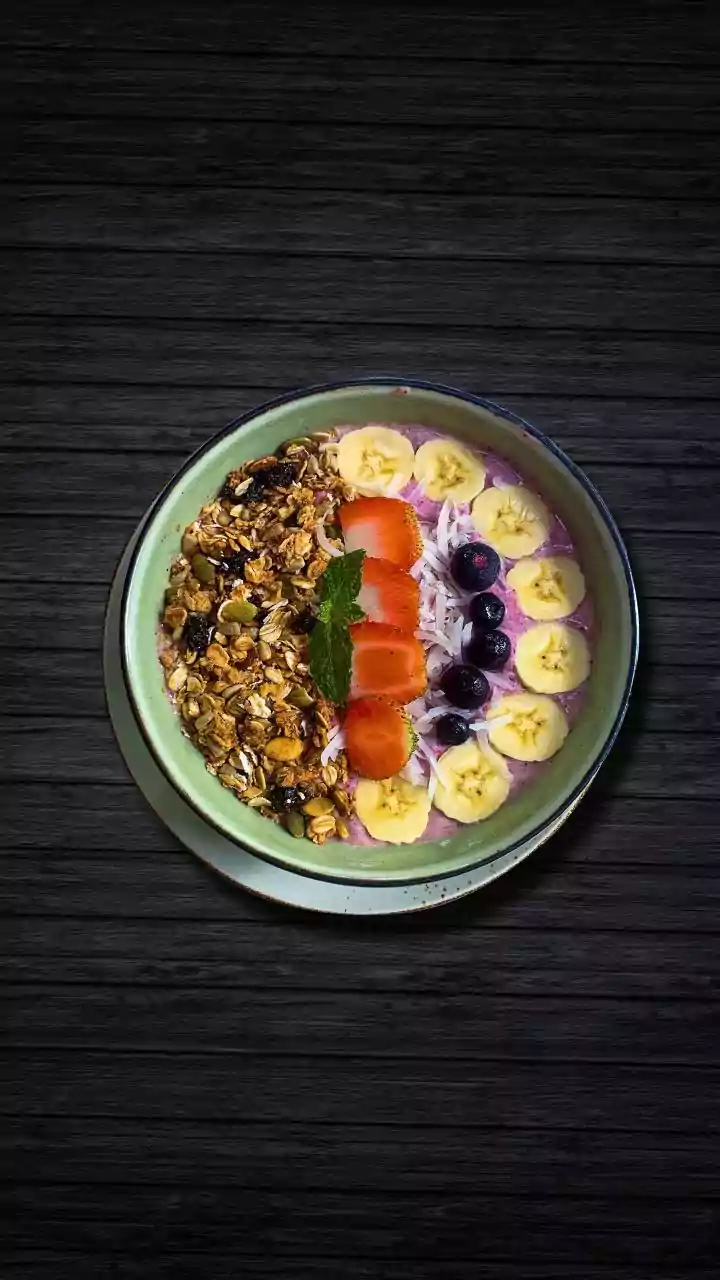
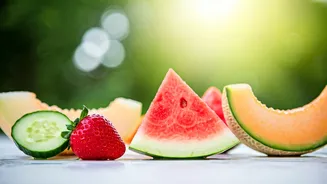
A significant portion of your daily fluid intake can come from the food you eat. Focus on water-rich vegetables that are typically in season. Gourds like lauki (bottle gourd), turai (ridge gourd), and parwal (pointed gourd) are over 90% water and are easy to digest. Cucumber, tomatoes, and bell peppers are also excellent choices. Fruits like pears, apples, and pomegranates are great hydrating options. It's wise to be cautious with raw leafy greens, as they can sometimes harbour germs in this season. Opt for well-cooked vegetables instead of raw salads to minimise risk while maximising hydration.
What to Limit for Better Hydration
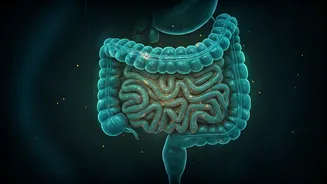
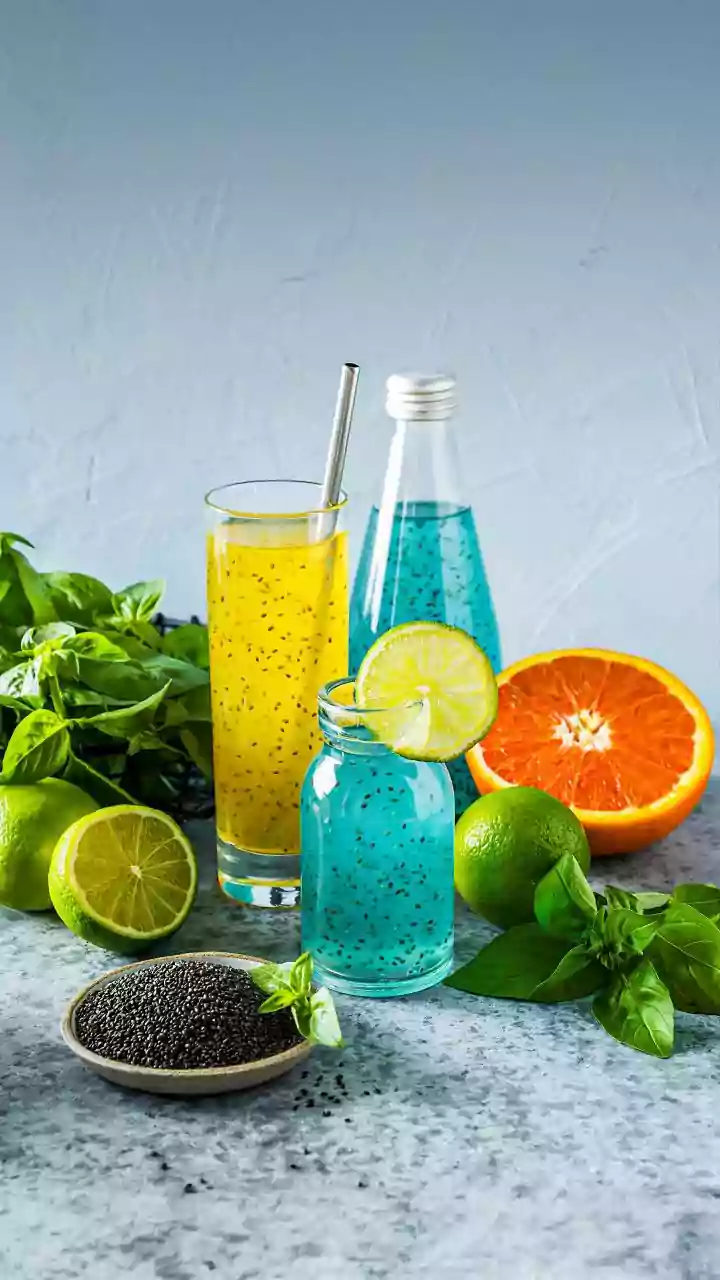
Just as important as what you consume is what you avoid. Caffeinated beverages like coffee and strong tea, as well as alcohol, have a diuretic effect, meaning they cause your body to lose more fluid. While a cup of chai is a monsoon ritual for many, be mindful of excessive consumption. Similarly, very sugary drinks and processed fruit juices can interfere with hydration and add empty calories. They can cause osmotic diuresis, where the high sugar concentration in your gut draws water out of your bloodstream. Stick to natural, unsweetened beverages for the most effective hydration.