








The Slow-Down Science
The most basic advice about eating speed is to slow down, and for good reason. It takes about 20 minutes for your brain to receive signals of fullness from your gut. These signals are sent by hormones like leptin. When you eat too fast, you can easily
consume more calories than you need before your brain gets the message to stop. This can lead to not only overeating and discomfort but also a higher risk of weight gain and metabolic issues over time. Studies have consistently linked faster eating speeds to higher Body Mass Index (BMI) and increased waist circumference. Slower eating, by contrast, improves digestion, nutrient absorption, and helps you feel more satisfied with your meal.
Beyond Weight: The Body Composition Factor
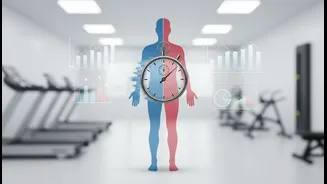
Body composition—the ratio of fat to muscle—adds another layer to this story. A person with higher muscle mass has a different metabolic rate and energy needs than someone with a higher body fat percentage. Research, including a notable cross-sectional study from Gujarat, India, has shown that fast eaters tend to have significantly higher levels of visceral fat—the dangerous fat around your organs—even if their overall body fat percentage isn't dramatically different. This suggests eating speed may influence where your body stores fat. Slower eating appears to be associated with a lower body fat percentage and less visceral fat, indicating that the behaviour influences not just how much weight you carry, but the type of tissue it is.
The Activity and Diet Quality Interaction
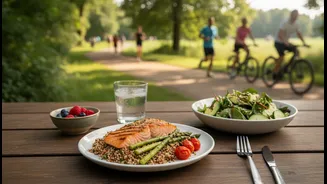
Does an active lifestyle cancel out the effects of fast eating? The evidence suggests not necessarily. Some studies have found that the link between fast eating and obesity indicators holds true regardless of a person's physical activity level. However, combining a healthy diet and regular activity with mindful eating habits can be a powerful strategy. The quality of your diet is crucial; slowing down can’t make a poor-quality, highly-processed meal healthy. But when eating a high-fibre, nutrient-dense meal, eating slowly allows your body to better process the nutrients and enhances feelings of fullness, which can be particularly beneficial for active individuals managing their energy intake for performance and recovery. Some research into time-restricted eating in athletes also highlights how manipulating eating patterns, a related behaviour, can improve body composition.
Hormones, Hunger, and Habits
Your eating speed directly impacts the hormones that regulate hunger and satiety. Fast eating disrupts the delicate conversation between your gut and brain. Ghrelin, the 'hunger hormone', can remain elevated, while satiety hormones like PYY and leptin don't get a chance to rise effectively. This hormonal imbalance can lead to a cycle of overeating and weight gain. People with obesity often have higher levels of leptin but may be less sensitive to its effects, a condition known as leptin resistance. While the relationship is complex, changing eating behaviours like speed can be a key intervention. Developing the habit of eating slowly can help recalibrate these hormonal signals, making you more attuned to your body’s actual hunger and fullness cues.
How to Put Slow Eating into Practice
Changing a lifelong habit of fast eating can be challenging, but small adjustments can make a big difference. Start by putting your utensils down between bites. This simple pause gives you time to chew thoroughly and breathe. Aim to chew each bite around 20-30 times to aid digestion and nutrient absorption. Try to eliminate distractions during meals; turn off the television, put your phone away, and focus on the flavours and textures of your food. Drinking water during your meal can also help you pace yourself and improve hydration. Setting a timer for 20 minutes can be a useful training tool to help you stretch your mealtime to the recommended length for satiety signals to kick in. The goal isn't rigid control but mindful awareness.