

The Myth of the All-Sufficient Indian Diet
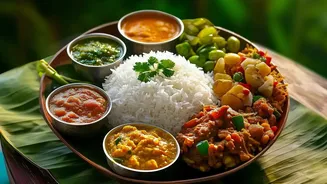
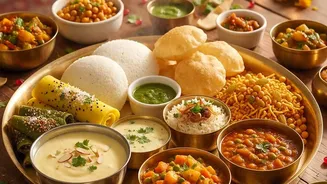
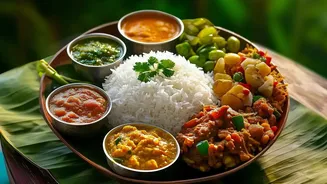
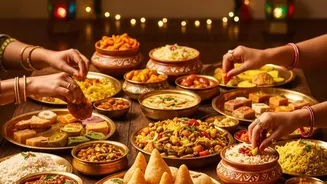
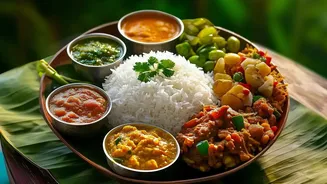
A traditional Indian thali is a masterclass in balanced nutrition, offering carbohydrates, proteins, fats, and fibre. However, when it comes to Vitamin D, our daily staples like dal, roti, rice, and most vegetables come up surprisingly short. Unlike other
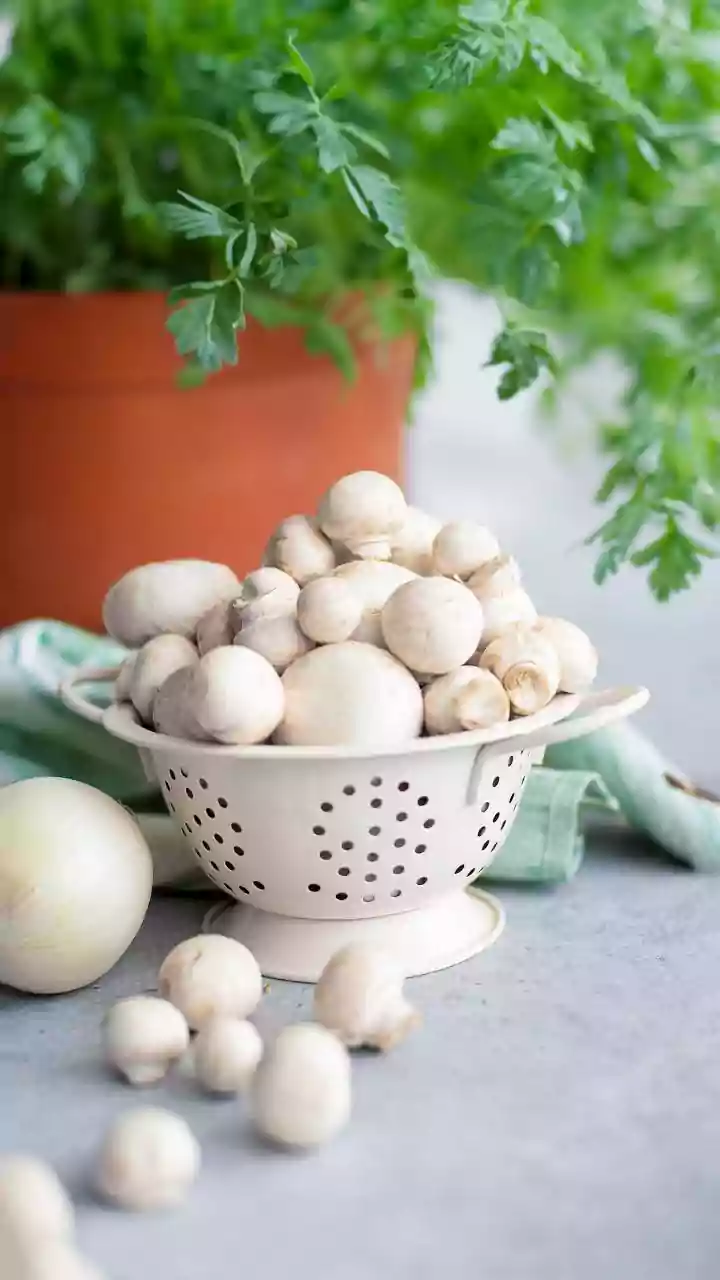
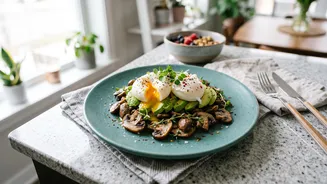
vitamins, Vitamin D is naturally present in very few foods. The richest sources are fatty fish like salmon and mackerel, which are not everyday staples in most Indian households. For vegetarians, the options are even more limited. While some mushrooms can provide Vitamin D if they are exposed to sunlight, the ones commonly available in markets are often grown in the dark and contain negligible amounts. This means that relying on a standard home-cooked diet alone, assuming it covers all our needs, is a primary reason why deficiency is so widespread.
The Sunshine Paradox: Why Aren't We Getting Enough?
If food isn't the main source, what about the sun? India is a tropical country, but modern life has disconnected us from this natural vitamin factory. Most urban professionals spend their days indoors, behind glass windows that block the sun’s UVB rays necessary for Vitamin D synthesis. Furthermore, factors like air pollution in major cities can filter out a significant portion of these essential rays. Indian skin tones, which have higher melanin, are naturally better protected from sun damage but also require longer exposure to produce the same amount of Vitamin D as lighter skin tones. The ideal time for synthesis is between 11 a.m. and 2 p.m., a time when most people are either working indoors or actively avoiding the harsh sun.
Food Fortification: The Hidden Hero
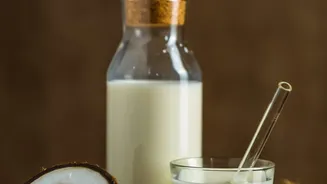
Since neither our traditional diet nor our modern lifestyle guarantees adequate Vitamin D, food fortification has become a crucial public health strategy. Fortification is the process of adding essential micronutrients to staple foods. The Food Safety and Standards Authority of India (FSSAI) has permitted the voluntary fortification of several common items with Vitamin D, including milk, edible oils, and other cereals. This is where reading labels becomes a vital skill. A regular packet of milk or brand of cooking oil might not contain any Vitamin D, but its fortified counterpart could provide a significant portion of your daily requirement. These products are designed to seamlessly integrate into your existing diet without you needing to change your eating habits.
How to Become a Vitamin Label Detective
Checking for Vitamin D is simpler than it sounds. First, ignore the marketing claims on the front of the package. Turn it over to the back and look for two things. The first is the FSSAI's blue and white ‘+F’ logo, which is a clear indicator that the food is fortified. Second, scan the nutritional information table. This table lists the amount of energy, protein, fat, and carbohydrates per 100g or per serving. In a fortified product, you will also find a line for 'Vitamin D', with the amount listed in micrograms (mcg) or International Units (IU). It’s important to read the 'per 100g' column rather than just the 'per serving' column to make an accurate comparison between different brands, as manufacturers can set misleadingly small serving sizes.
Making Smart Choices in the Supermarket
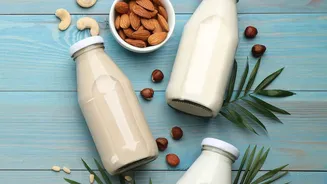
Next time you are grocery shopping, make it a habit to compare products. Pick up two different brands of milk, for instance. One might be regular toned milk, while the other is 'Fortified with Vitamins A & D'. The same applies to edible oils, breakfast cereals, and even some brands of atta. By choosing the fortified version, you are turning your regular meals into a source of this essential nutrient. Adding fortified milk to your morning chai or coffee, using fortified oil for cooking your sabzis, and choosing a fortified breakfast cereal can collectively make a huge difference to your family's Vitamin D levels without any extra effort or major dietary changes. It's about making your existing diet work harder for your health.