




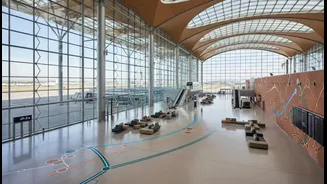


A Modern Gateway for the Sun City
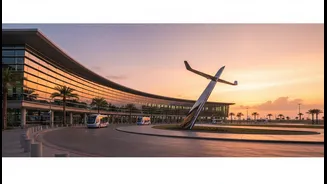
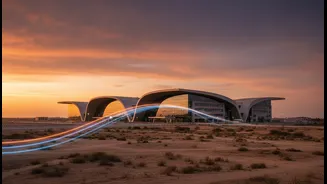
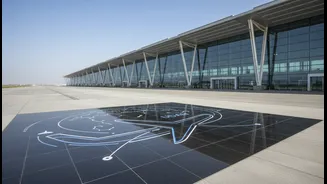
On July 4, 2026, Jodhpur's new airport terminal was officially inaugurated, marking a significant upgrade for one of Rajasthan's key tourism and economic hubs. Built by the Airports Authority of India at a cost of ₹480 crore, the new facility is a leap
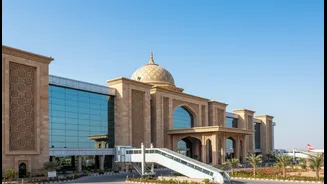
into the future. Spanning over 23,000 square metres, it's designed to handle up to two million passengers annually and manage 1,500 travellers during peak hours. For passengers, this means a smoother experience with multiple check-in counters, advanced baggage systems, and aerobridges. The design itself pays homage to Rajasthan's royal heritage, blending traditional architectural elements like arches and 'jharokhas' with modern infrastructure, creating a terminal that is both efficient and culturally rooted.
The Engine: Understanding the UDAN Scheme
The new terminal doesn't exist in a vacuum. It's a critical piece of a larger national vision called UDAN (Ude Desh ka Aam Nagrik), launched in 2016. The scheme's core idea is to make air travel affordable and accessible, connecting smaller Tier-2 and Tier-3 cities that were previously underserved by air routes. By providing Viability Gap Funding (VGF) to airlines, the government subsidizes operations on less profitable regional routes, ensuring that a certain number of seats are sold at a capped, affordable price. Since its inception, UDAN has operationalized hundreds of routes, connecting dozens of airports and giving millions of people the chance to fly for the first time.
What's 'Modified' in the New UDAN?
Coinciding with the Jodhpur terminal's launch, the government has rolled out a 'Modified UDAN' scheme, sometimes called Viksit UDAN. Approved with an outlay of nearly ₹29,000 crore for the next decade, this revamped version is more ambitious. The key changes focus on sustainability and deeper connectivity. The plan includes developing 100 new aerodromes from existing airstrips, building 200 modern helipads for remote areas, and continuing financial support for airlines to ensure routes remain active. Crucially, it aims to build a more self-reliant aviation ecosystem, even promoting the use of indigenously made aircraft like HAL Dornier planes for regional operations.
Hardware Meets Software: How They Work Together
The Jodhpur project is the perfect example of this policy in action. The Modified UDAN scheme promises to create more regional air routes, but airlines need modern, efficient airports to operate these new flights. A small, congested terminal can't support an increase in flights and passengers. Jodhpur's new terminal, with its expanded capacity, is the 'hardware' that enables the 'software' of the UDAN scheme to run effectively. It provides the necessary infrastructure to handle the new routes and passenger traffic that the policy aims to generate, creating a synergistic loop of growth.
The Real-World Impact for Jodhpur
For the average citizen, business owner, or tourist, this twin development translates into tangible benefits. Enhanced connectivity means it will be easier and potentially cheaper to travel to and from Jodhpur, not just from major metros but from smaller cities as well. This is a major boost for the tourism sector, a cornerstone of Jodhpur's economy, making the city's famous forts and palaces more accessible. For local businesses, especially in handicrafts and trade, it opens up new markets and makes logistics more efficient. Ultimately, it fuels regional economic development, creates jobs, and strengthens Jodhpur's position as a strategic centre in western Rajasthan.