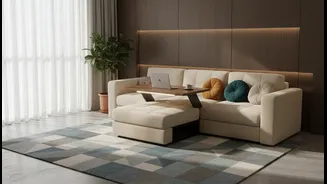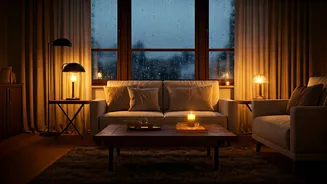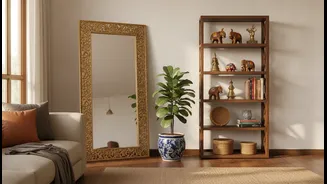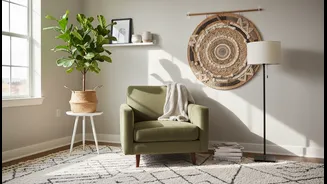





The Museum of 'Don'ts'
The modern Indian rental often feels less like a home and more like a museum of things you cannot do. No drilling holes. No painting walls. No permanent fixtures. Tenants are handed keys to a pristine, characterless box, accompanied by a rental agreement
that is essentially a long list of restrictions. The walls are coated in a landlord-approved neutral shade, the floors are durable but generic, and the lighting is functional but flat. It’s a space designed not for living in, but for being easily vacated. This emphasis on a flawless, untouched shell creates a landscape of identical, impersonal apartments across our cities. While the intention is to provide a clean slate, the result is often a space that actively resists personality, forcing tenants to live in a perpetual state of temporary adjustment.
The Landlord's Calculated Logic
To understand why rentals are so sterile, one must step into the landlord's shoes. For most property owners, a house is not a home; it’s a financial asset, an investment that needs to be protected. Every nail hole is a potential cost, every custom paint job a future hassle to be undone before the next tenant arrives. Landlords fear the damage, the difficult-to-reverse personalisations, and the potential for disputes over the security deposit. Historically, some rental laws were perceived as being heavily skewed in favour of tenants, making evictions a lengthy process. This has fostered a culture of caution, where minimising risk becomes the top priority. The 'polish' is a defensive strategy—a depersonalised space is easier to manage, quicker to flip between tenants, and simpler to maintain. The goal is a seamless, predictable financial transaction, not the creation of a soulful living environment.
The High Cost of a Characterless Home
Living in a space devoid of personality takes a toll. A home is meant to be a sanctuary, a place of comfort and self-expression. When you cannot hang a family photograph, paint a corner your favourite colour, or even install a bookshelf for your beloved books, the feeling of ‘home’ remains elusive. Psychologically, our environment has a profound impact on our well-being. A sterile, uninspiring space can inhibit creativity and contribute to a sense of displacement. It keeps the tenant in a transient mindset, constantly reminded that this is not their space, that they are just passing through. This lack of emotional investment can be isolating. We are building a rental culture where millions of people live in spaces that provide shelter but offer no comfort for the soul, contributing to a quiet, widespread sense of being un-homed.
Finding a Middle Path
The divide between a landlord’s asset and a tenant’s home doesn’t have to be a chasm. A middle path requires a shift in mindset from both sides, moving from suspicion to trust. With the Model Tenancy Act aiming to create a more balanced framework, the foundation for this trust is slowly being laid. Landlords could consider allowing minor, reversible changes, like painting an accent wall on the condition it is painted back, or permitting the use of non-damaging adhesive hooks. These small concessions can make a world of difference to a tenant's experience. In return, tenants who are given a little freedom to personalise their space are more likely to feel a sense of ownership and care for the property as if it were their own. A tenant who feels at home is often a happier, more responsible, and longer-term tenant—a clear benefit for any landlord.