


A Return to the Roots
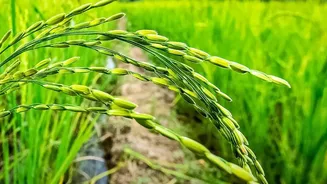
India was once home to an estimated 100,000 or more varieties of rice, each adapted to a specific microclimate and culinary tradition. From the fragrant Joha of Assam to the medicinal Navara of Kerala, these grains were central to local diets and cultures.
However, the Green Revolution in the 1960s prioritised high-yield hybrids, causing thousands of these indigenous strains to vanish from fields and markets. Today, a powerful revival is taking shape, led by farmers, chefs, and a growing base of conscious consumers who are looking beyond polished white rice for reasons that span personal health, environmental sustainability, and cultural pride.
The Health and Wellness Appeal
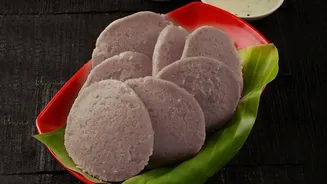
A primary driver of this resurgence is health. Unlike their highly polished counterparts, traditional rice varieties—especially red, black, and brown types—often retain their bran layer, which is packed with fibre, vitamins, and minerals like iron and zinc. Many of these heritage grains, such as Karuppu Kavuni (black rice) and Mappillai Samba (red rice), have a lower glycemic index, which helps in managing blood sugar levels. Varieties like Kerala's Navara rice are revered in Ayurveda for their medicinal properties, used in treatments for conditions from arthritis to fatigue and to boost immunity. Black rice, known as Chak-Hao in Manipur, is rich in antioxidants called anthocyanins, the same compounds found in blueberries, which are linked to fighting inflammation and supporting cellular health.
A Climate-Proof Choice
In an era of increasing climate uncertainty, heritage rice offers a lesson in resilience. These native varieties were naturally selected over centuries to withstand local environmental challenges. Some, like Kerala's Pokkali, can tolerate saltwater intrusion in coastal fields, while others are naturally resistant to pests, floods, and droughts. In the cyclone-prone Sundarbans, farmers are bringing back salt-tolerant varieties like Nona Bokra. This natural hardiness reduces the need for chemical fertilisers and pesticides, making them a more sustainable choice for farmers battling erratic weather patterns and degraded soil.
A Celebration of Flavour and Culture
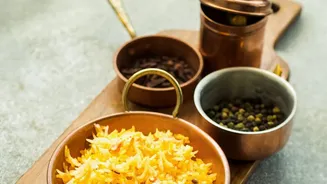
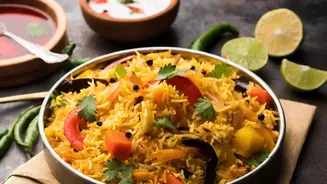
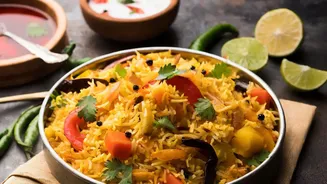
For chefs and food lovers, the revival is a culinary adventure. Each traditional grain brings a unique taste, texture, and aroma to the table. West Bengal’s Gobindobhog, a short-grain aromatic rice with a buttery flavour, is essential for authentic Bengali dishes like khichuri and payesh. Its importance is recognised with a Geographical Indication (GI) tag, which protects its regional authenticity. Similarly, Assam's Joha rice is prized for its delicate, natural scent and is used in festive preparations. Restaurants and home cooks are now actively seeking out these grains to create dishes that are not only delicious but also tell a story of a specific region and its agricultural heritage.
Guardians of the Grain
This revival would be impossible without the tireless efforts of its custodians. Small-scale farmers and tribal communities across India have been central to preserving these seeds for generations. They are now supported by a growing network of NGOs, seed banks, and government initiatives. Organisations like the Save Our Rice Campaign have been instrumental in documenting and distributing heirloom seeds. State governments in Tamil Nadu and Karnataka have also launched missions to promote the cultivation of traditional paddy. This growing ecosystem is helping to create a viable market, ensuring that these grains are not just preserved in a seed bank but continue to be a living part of India's agricultural landscape.