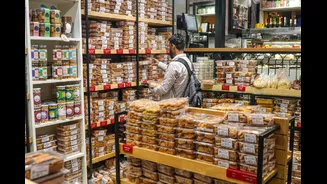


In the symphony of Indian cuisine, chutney is the versatile note that completes the melody. But a quiet revolution is underway, as small-batch, artisanal chutneys are bringing the specific, forgotten tastes of home back to the urban table.
More Than Just a Condiment
For years, the
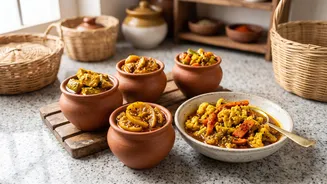
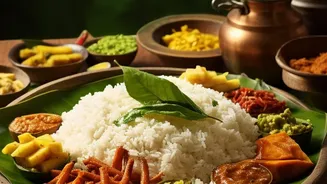
chutney found in city homes and restaurants was often a predictable affair: a standard green chutney, a sweet tamarind version, or a mass-produced bottle from a supermarket shelf. While functional, they often lacked the complexity and character of their traditional counterparts. Now, a growing movement is reintroducing the subcontinent to its own diverse chutney heritage. This new wave of artisanal products is all about specificity. We're seeing a return to recipes rooted in a particular region, season, or even a single family's heirloom tradition. These are not generic condiments; they are carefully crafted expressions of culinary identity, made with fresh, locally sourced ingredients and no artificial preservatives. Think of the fiery Shengdana chutney from Maharashtra, the tangy Gongura pachadi of Andhra Pradesh, or the sweet and sour Nimbu Chunda from Gujarat.
The Keepers of a Fading Legacy
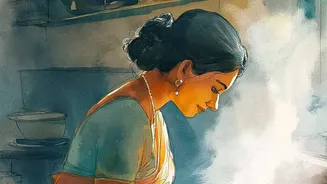
Behind this flavourful revival are home chefs and small-scale entrepreneurs, many of whom are women, who have decided to turn their family's cherished recipes into small businesses. Brands like Nasale, rooted in Solapur, pride themselves on using stone grinders and three-generation-old recipes, refusing to modernize or add preservatives. Others, like Aamra, are women-led enterprises dedicated to preserving the purity and craftsmanship of regional specialties like Bengali Aam Kasundi and Marwari Lehsun Kachri Chutney. For these makers, it’s not just about selling a product. It's about preserving a legacy. They are consciously choosing to produce in small batches to maintain quality and authenticity, creating what they would serve their own families. This personal touch is what separates them from industrial-scale producers and resonates deeply with a new generation of consumers.
A Taste of Home, Miles Away
The driving force behind this trend is a powerful sense of nostalgia. For millions of Indians living in bustling cities, far from their ancestral towns and villages, food is a primary connection to their roots. The taste of a specific chutney can evoke vivid memories of childhood, festivals, and grandmother's kitchens. This desire for familiar, comforting flavours has created a fervent market for foods that feel authentic and pure. It’s a reaction against the homogenisation of global food trends and a turn towards something more personal and meaningful. In a fast-paced urban environment, these chutneys offer more than just taste; they provide a moment of emotional connection and a comforting reminder of home.
From Traditional Thalis to Modern Plates
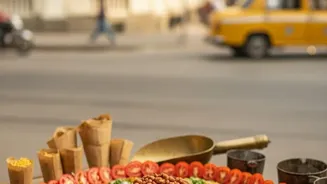
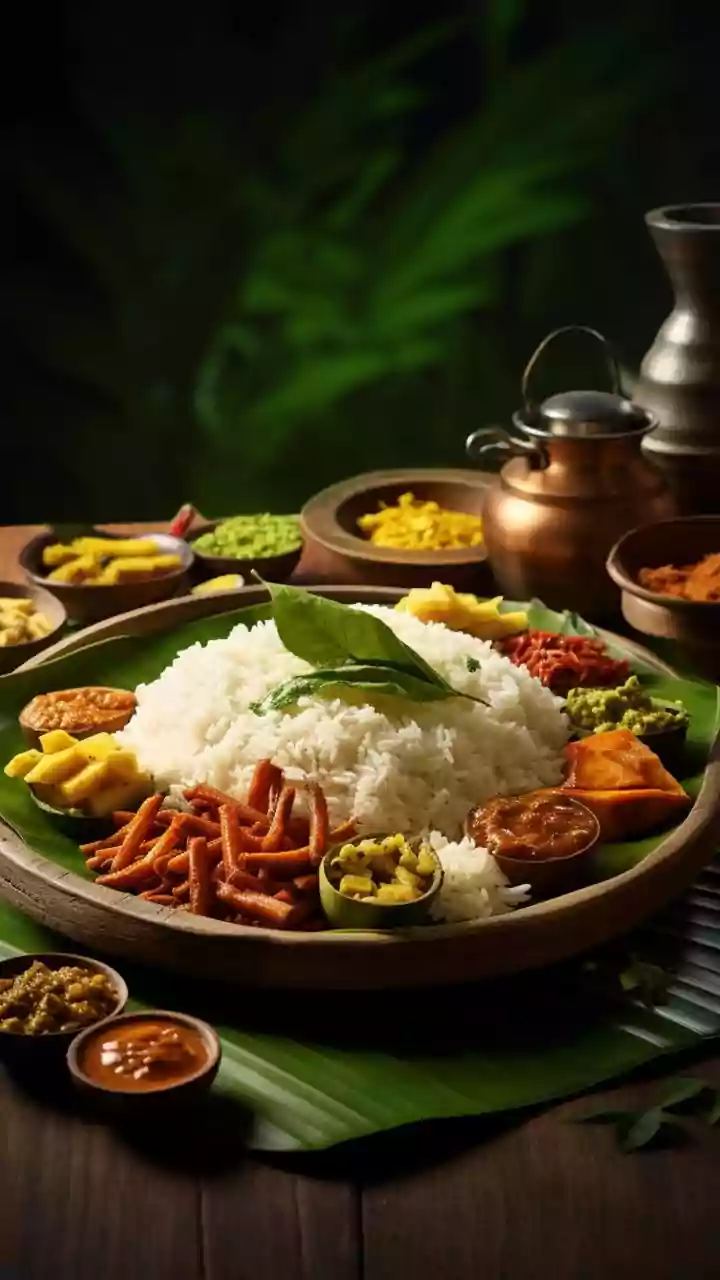
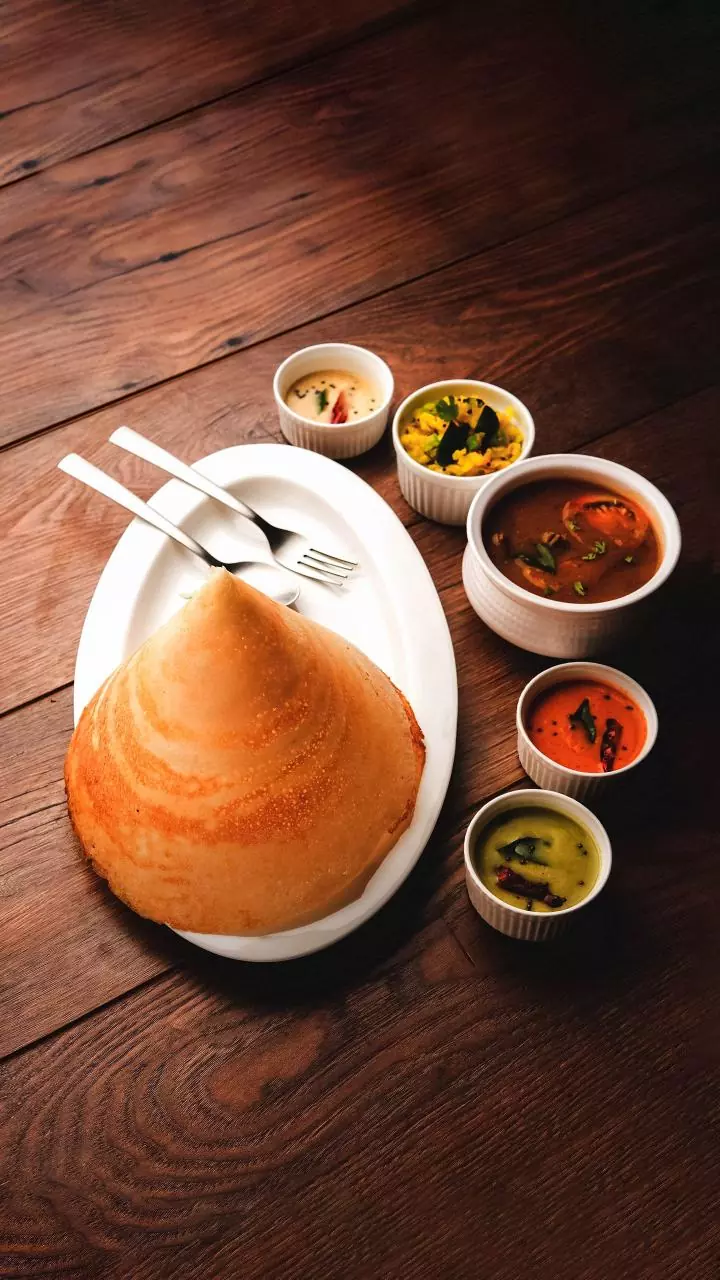
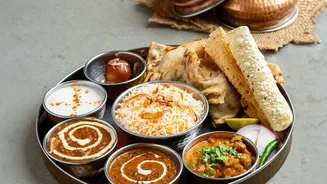
While rooted in tradition, the application of these regional chutneys is becoming increasingly modern. They are no longer confined to accompanying dosas, idlis, or parathas. Urban cafes and restaurants are finding innovative ways to incorporate these bold flavours into contemporary dishes. A spicy Jodhpuri Adrak Mirch Kuta might be paired with a sandwich, while a sweet Mango Cardamom chutney could feature on a gourmet cheese board. Restaurants specializing in regional street food, like Madam Chutney in Delhi, are celebrating this diversity by putting a wide array of chutneys at the center of the dining experience, allowing patrons to explore the tastes of Mumbai, Kolkata, and beyond in one place. This versatility is key to their growing popularity, proving that traditional flavours can have a vibrant place in the modern Indian kitchen.