



The Andean Origins
To truly understand quinoa, we must start in its homeland: the Andes mountains of Peru and Bolivia. For thousands of years, long before it became a global trend, quinoa was a foundational crop for Incan and other indigenous civilisations, revered as the 'mother
of all grains'. Here, it's not typically found in a cold salad but in hearty, warming dishes. One of the most traditional preparations is 'sopa de quinua' (quinoa soup) or a creamy stew called 'quinoa atamalada'. These dishes treat quinoa less like a grain and more like a pulse, simmering it with vegetables, potatoes, a bit of cheese, and mild spices like cumin and aji amarillo paste to create a comforting, risotto-like meal that is both nourishing and deeply satisfying. This approach showcases quinoa's ability to create texture and body in a dish.
The Mediterranean Makeover
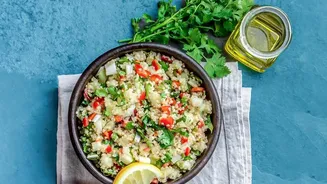
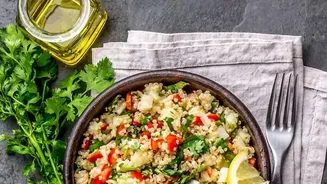
When quinoa travelled to the West, it found a natural home in the vibrant, fresh flavours of the Mediterranean. The quintessential Mediterranean quinoa salad is a masterclass in texture and taste. Fluffy, cooked quinoa is tossed with crisp cucumber, juicy tomatoes, crunchy bell peppers, briny Kalamata olives, and salty feta cheese. The dressing is key: a simple but powerful mix of extra virgin olive oil, fresh lemon juice, and dried oregano brings everything together. This preparation highlights quinoa's nutty, delicate flavour and its ability to act as a neutral base that lets bright, bold ingredients shine. It's a perfect example of how the seed was adapted for a completely different climate and palate, resulting in a dish that is refreshing, healthy, and incredibly popular.
An Indian-Inspired Pulao
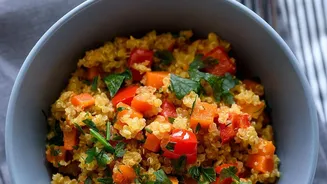
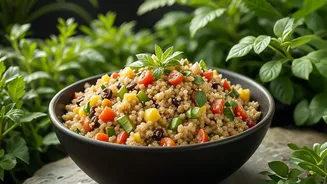
In India, where grains and legumes form the backbone of the cuisine, quinoa has been embraced as a healthy alternative to rice or semolina. One of the most popular adaptations is the Quinoa Pulao, a one-pot meal that is bursting with aromatic spices. Following the same principles as a traditional vegetable pulao, this dish starts by tempering whole spices like cumin seeds, cinnamon, and cloves in oil or ghee. Onions, ginger, and garlic are sautéed before adding vegetables like carrots, peas, and green beans. The rinsed quinoa is then added along with turmeric and garam masala, and cooked until tender. The final dish is a colourful, fragrant, and complete meal, proving how seamlessly quinoa can be integrated into complex spice-based cuisines to create a familiar yet nutrient-packed dish.
The Modern Mexican Bowl
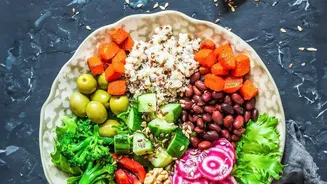
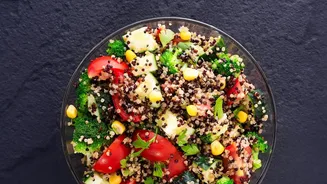
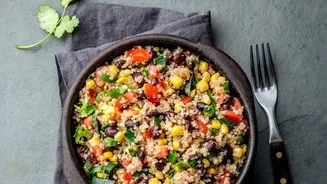
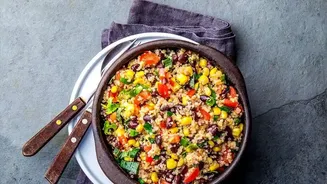
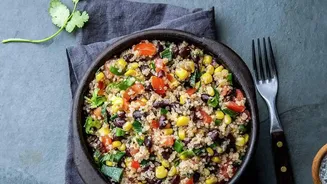
The rise of the 'bowl' as a meal concept has been a perfect vehicle for quinoa's global journey, and nowhere is this more evident than in modern Mexican and Southwestern-inspired cuisine. Here, quinoa serves as the hearty base for a vibrant and customisable meal. Typically, a scoop of warm quinoa is topped with a colourful array of ingredients like seasoned black beans, sweet corn, diced tomatoes, and creamy avocado. The flavour is amplified with zesty lime juice, fresh cilantro, and perhaps a sprinkle of chili powder or cumin. This format is less a strict recipe and more a formula, allowing for endless variation while showcasing quinoa as a satisfying, protein-packed foundation that ties together the fresh, zesty flavours of the region.
An East Asian Twist
Quinoa's versatility extends to the umami-rich flavours of East Asia. It can be used as a substitute for rice in a stir-fry or as the base for a deconstructed bowl. The key is the dressing and seasonings. A classic Asian-inspired sauce combining soy sauce (or tamari), sesame oil, fresh ginger, and a touch of maple syrup or honey can transform a simple bowl of quinoa and vegetables. Additions like shelled edamame, shredded cabbage, carrots, and sautéed mushrooms create a dish that is rich in texture and flavour. By toasting the quinoa in sesame oil before cooking, you can enhance its nutty notes, which pair beautifully with these savoury ingredients. This approach shows how easily quinoa can absorb and complement an entirely different flavour profile.