






The Monsoon's Grand Washout
Throughout the rainy season, from June to September, the air quality in many Indian cities sees a dramatic improvement. The monsoon rains act as a natural atmospheric cleanser, washing away particulate matter and other pollutants. This process, known
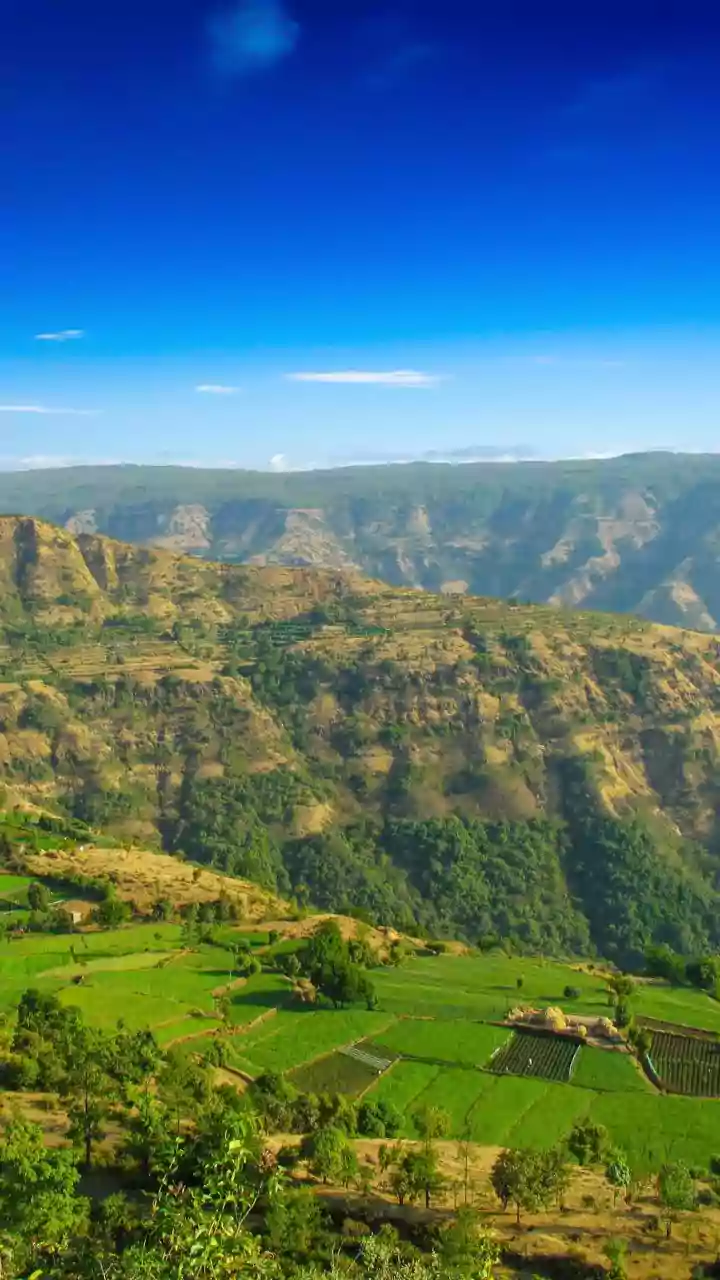
as wet deposition, is why we enjoy those sharp, vibrant skies. The air genuinely is cleaner. The strong winds and consistent rainfall prevent the accumulation of pollutants that typically choke urban centres, providing several months of respiratory relief. However, this clean slate is temporary, and the atmospheric conditions that provide it are about to reverse.
The Reversal: Winds and Dropping Temperatures
As October begins, the monsoon starts its withdrawal. This is not just an end to the rains; it’s a fundamental shift in weather patterns. Wind speeds drop significantly, and the air becomes stagnant. Simultaneously, temperatures begin to fall, particularly at night. This cooling of the ground leads to a phenomenon called temperature inversion. Normally, air is warmer near the ground and gets cooler with altitude, allowing pollutants to rise and disperse. During an inversion, a layer of warmer air traps a layer of cooler, denser air near the ground. This warm layer acts like a lid, preventing pollutants from escaping. Instead of dispersing, emissions from vehicles, industry, and other sources get trapped near the surface where we breathe.
The Onset of Stubble Burning
This atmospheric trap coincides with a major agricultural event in North India. Farmers in Punjab, Haryana, and western Uttar Pradesh have a very short window after harvesting paddy to prepare their fields for the winter wheat crop. To clear the leftover crop residue, or stubble, quickly and cheaply, many resort to setting their fields on fire. These fires release enormous plumes of smoke, packed with particulate matter (PM2.5 and PM10), carbon monoxide, and other harmful pollutants. The prevailing northwesterly winds during this period carry this smoke directly over the Indo-Gangetic Plain, blanketing cities like Delhi in a toxic haze. This single activity can contribute up to 40% of Delhi's particulate pollution during its peak.
A Cocktail of Pollutants
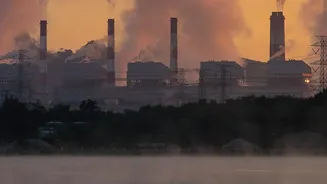
While stubble burning is a massive and visible contributor, it is far from the only one. The pollution that builds up in October is a complex mix. As the air becomes still, local sources of pollution, which are present year-round, have a much greater impact. These include relentless emissions from a growing number of vehicles, dust from widespread construction activities, and pollution from industrial clusters. As the festive season, including Diwali, approaches, the use of firecrackers can lead to sudden and extreme spikes in pollution, adding another layer of hazardous materials to the already deteriorating air. A recent trend also shows an El Niño effect can lead to drier conditions and less post-monsoon rain, making it harder for pollution to be washed away.
From Blue Skies to Grey Haze
The transition can be swift. The month may start with 'satisfactory' or 'moderate' air quality, but as these factors converge, the Air Quality Index (AQI) can rapidly decline into the 'poor', 'very poor', and eventually 'severe' categories, often within a matter of weeks. The clear blue sky is an illusion of depth; initially, there might not be enough pollutants to create a visible haze. But as particulate matter concentrations build under the inversion layer, the sky turns a murky, greyish-white. This is the visual confirmation that the air has become unhealthy to breathe, a state that will likely persist through much of the winter.