



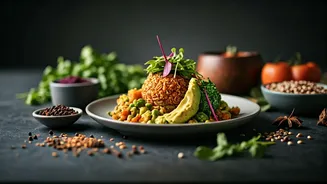


Beyond Paneer and Aloo
For years, ordering a vegetarian meal at many restaurants felt like a choice between paneer butter masala, malai kofta, or some variation of aloo. While these dishes are beloved classics, a new generation of chefs and home cooks is pushing the boundaries.
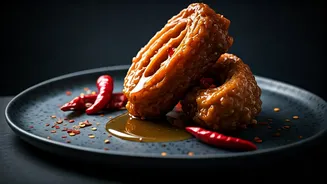
The new vegetarian cooking is about exploring the vast, untapped potential of India's botanical diversity. We're seeing dishes where humble gourds, forgotten greens, and seasonal roots take centre stage. Think less about a creamy, heavy curry and more about a lightly smoked sweet potato with a tamarind glaze, or a jackfruit galouti kebab that is tender and flavourful in its own right, not just as a meat substitute. This shift is about appreciating vegetables for their unique textures and flavours, rather than masking them in a generic gravy.
The Hyper-Local Revolution
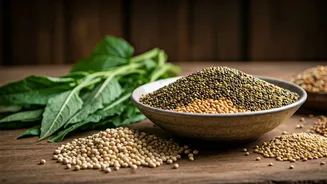
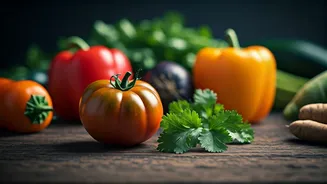
One of the most exciting pillars of this new era is the obsession with hyper-local and indigenous ingredients. Chefs are digging deep into regional culinary traditions to unearth ingredients that have been overlooked by mainstream commercial cooking. We’re talking about foraged greens from the Himalayas, wild mushrooms from the Western Ghats, unique varieties of millets from rural Maharashtra, and vibrant red rice from Kerala. This isn't just about novelty; it's about celebrating India's incredible biodiversity and seasonality. Restaurants are building relationships directly with farmers, ensuring that what ends up on your plate is fresh, seasonal, and tells a story about the land it came from. This farm-to-table philosophy is creating a cuisine that is not only more delicious and sustainable but also deeply rooted in place and culture.
Modern Techniques, Indian Soul
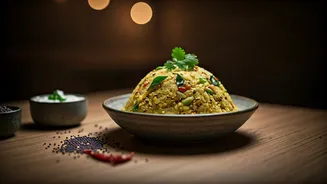
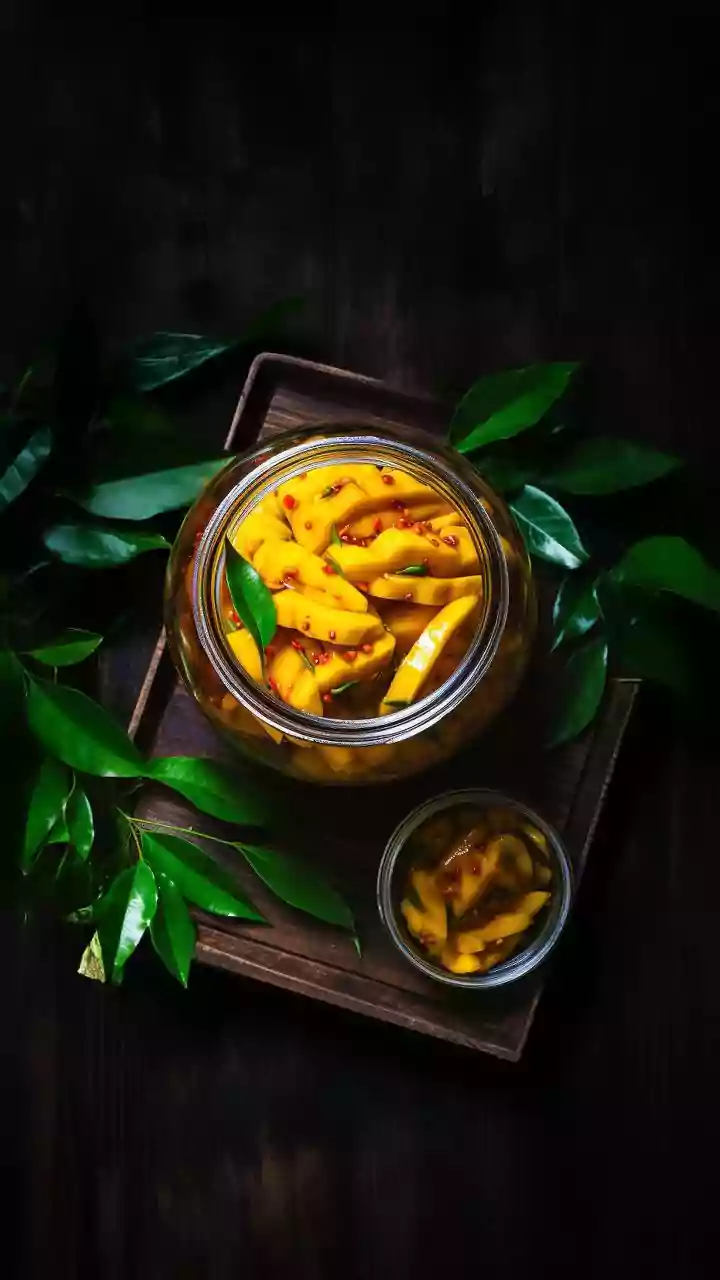
This isn't about abandoning tradition. It's about enhancing it with a global perspective. Chefs are applying modern culinary techniques to traditional Indian ingredients with stunning results. Imagine the familiar flavour of pumpkin, but transformed through techniques like fermentation, dehydration, or sous-vide. We're seeing fermented carrot 'achaars', smoked banana blossoms that mimic pulled meat, and vegetable stocks with an umami depth that once seemed impossible without meat. These techniques are used not to create something foreign, but to amplify the inherent qualities of the vegetables. The goal is to extract the most flavour, create surprising textures, and present familiar ingredients in an innovative and exciting light, all while keeping the soul of the dish unmistakably Indian.
The Vegetable as the Hero
Perhaps the most significant philosophical shift is the move to treat the vegetable as the main event, not as a supporting actor or a substitute for meat. In this new era, a carrot isn't just a carrot; it's the star of the dish, celebrated for its sweetness, earthiness, and texture. A dish might feature cauliflower prepared in three different ways—puréed, roasted, and pickled—to showcase its incredible versatility. This approach requires more creativity and skill. It challenges the cook to understand each ingredient intimately and find the best way to make it shine. The result is a meal that feels complete and satisfying on its own terms, proving that a vegetable-centric plate can be just as complex, exciting, and fulfilling as any non-vegetarian dish.
From Fine Dining to Your Kitchen
While this movement gained momentum in fine-dining restaurants across Mumbai, Delhi, and Bengaluru, its influence is rapidly trickling down. Thanks to social media, food blogs, and a new generation of content creators, these ideas are inspiring home cooks across the country. People are experimenting with sourdough dosas, making their own kombucha with local fruits, and seeking out heirloom vegetables at their local markets. The conversation has shifted from simply “What vegetarian dish can I make?” to “What’s in season, and how can I celebrate it?” This democratisation of culinary creativity is the true sign that the new era of vegetarian cooking is not just a trend but a lasting transformation in how India thinks about food.