





The New 'It' Dessert
In a city that loves its food, a new trend is a serious affair. And right now, the talk of the town revolves around a disarmingly simple yet profoundly delicious combination: palm jaggery and coconut ice cream. Walk past certain artisanal ice cream parlours,
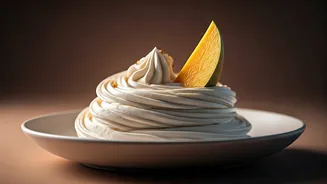
especially in hubs like Hauz Khas Village or Greater Kailash, and you'll see it—the patient queue of people waiting not for a fleeting international fad, but for a taste that feels both new and ancient. Social media feeds are filled with pictures of creamy, off-white scoops, often served in a coconut shell. The excitement is palpable. This isn't just another dessert; it's a cultural moment served at the perfect temperature.
A Symphony of Sweet and Earthy
So, what’s the magic? It lies in the perfect marriage of two humble, powerful ingredients. First, the palm jaggery. Known as 'nolen gur' in Bengal or 'karupatti' in Tamil Nadu, this unrefined sugar derived from the sap of palm trees is a world away from processed white sugar. It has a deep, molasses-like, almost smoky flavour profile with hints of caramel and chocolate. It’s complex and aromatic. When this earthy sweetness is combined with the rich, creamy, and subtly nutty flavour of fresh coconut milk, something special happens. The coconut provides a luscious, dairy-free base that carries the jaggery’s flavour without overpowering it. The result is a taste that is sophisticated, satisfying, and refreshingly different from the cloyingly sweet desserts we’ve grown accustomed to.
The 'Natural' Indulgence
Part of the appeal is undoubtedly the perceived health halo. In an era of wellness-consciousness, this ice cream feels like a guilt-free indulgence. Palm jaggery is packed with minerals and is less processed than refined sugar, giving it a better reputation among the health-savvy. Many of these ice creams are also vegan, using coconut milk instead of dairy, which appeals to a growing demographic of consumers who are either lactose intolerant or making specific dietary choices. Brands leading this charge, like the popular 'Jaatre' (which means 'journey' in Kannada), emphasise natural ingredients and a clean-label approach. The message is clear: this is a treat you can feel good about, one that connects you to nature rather than a factory.
A Taste of Tradition, Reimagined
This trend is more than just a culinary innovation; it’s a form of cultural reclamation. For generations, palm jaggery and coconut have been staples in Indian kitchens, used in everything from Bengali 'sandesh' to South Indian 'payasam'. But for a long time, these ingredients were considered too traditional or 'desi' for the modern dessert landscape, which was dominated by Western flavours like Belgian chocolate, French vanilla, and American-style cookies and cream. The current craze marks a confident return to our roots. It's a statement that our own heritage flavours are complex, desirable, and worthy of a premium, artisanal platform. It’s nostalgia, but served in a cool, contemporary format that appeals to millennials and Gen Z just as much as it does to their parents.
The Artisanal Revolution
This movement is being championed by a new wave of food entrepreneurs. Small-batch, artisanal creameries are popping up across the city, prioritising quality over quantity. They are not competing with the mass-market giants on price but on flavour, purity, and story. They often source their ingredients directly, building relationships with farmers and ensuring authenticity. This focus on craftsmanship resonates with consumers who are tired of homogenised products and are seeking unique experiences. By offering flavours like tender coconut, ratnagiri mango, and, of course, palm jaggery coconut, they are celebrating India’s diverse agricultural landscape one scoop at a time. They are reminding us that the best flavours are often the ones that have been right here all along, waiting to be rediscovered.