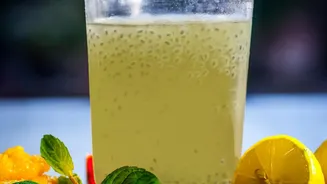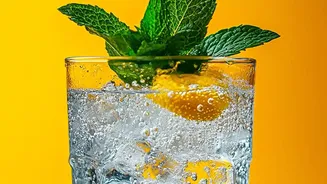


For decades, a fizzy drink in India usually meant a cola. But a humble kitchen spice is changing that. Cumin, or jeera, is at the heart of a flavour revolution, giving traditional masala soda a fresh, fizzy life on the national stage.
An Unmistakably Indian Flavour
First, for the uninitiated:
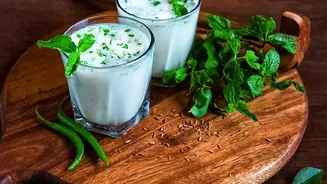
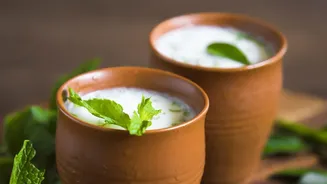
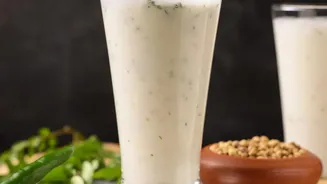
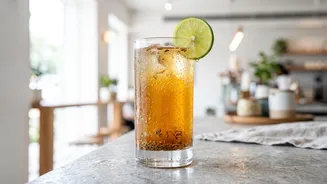
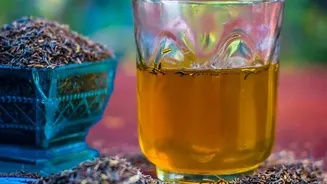
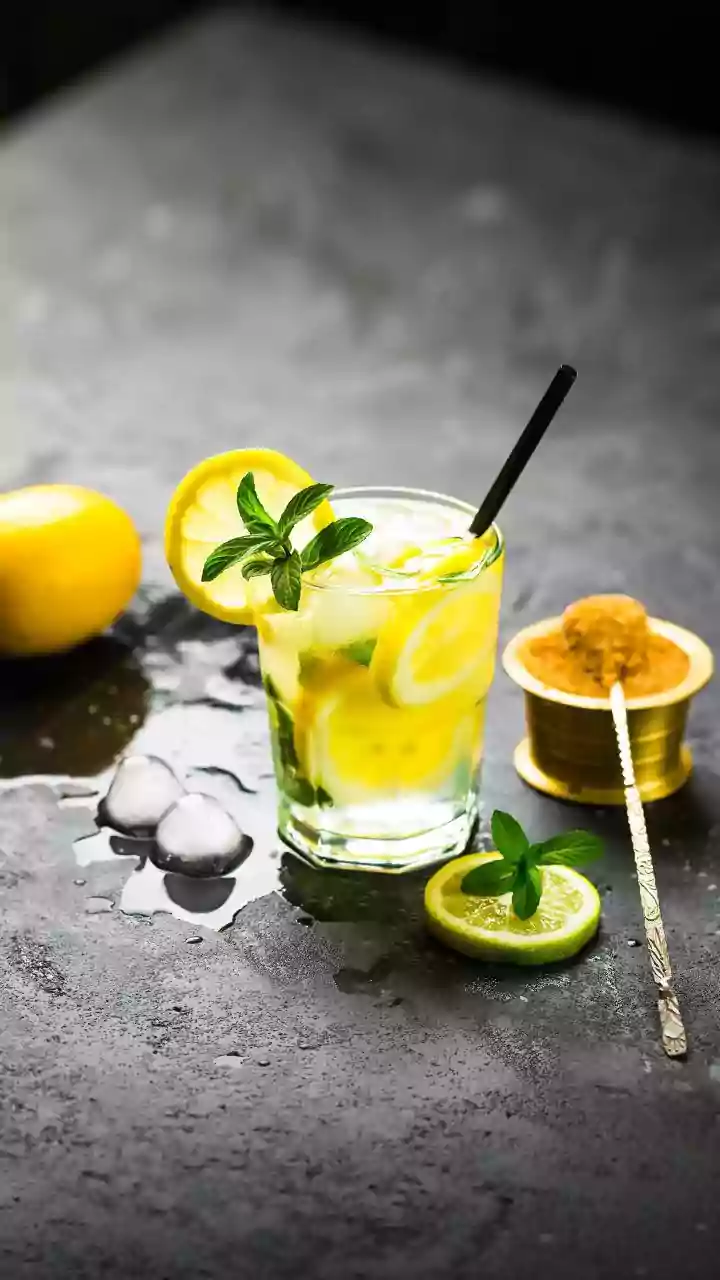
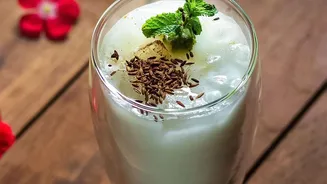
what is a cumin-flavoured soda? Known widely as 'jeera soda', it’s a carbonated drink that swaps overwhelming sweetness for a complex, savoury profile. The taste is earthy, tangy, and slightly spicy, built on a base of roasted cumin, black salt, and other spices. It’s a modern, bottled version of traditional drinks like jal-jeera or shikanji that have been staples at street-side stalls and in homes for generations, often consumed as a digestive aid after a heavy meal. Unlike conventional soft drinks designed for a universal palate, jeera soda is unapologetically Indian, appealing to a taste profile trained on layered, complex flavours.
From Niche to Nationwide
While jeera-flavoured drinks have existed for years, their journey into the mainstream has been a slow burn. Brands like House of Bindu launched a cumin soda nearly 25 years ago, but sales remained modest for a long time. The category gained significant traction with the launch of Lahori Zeera in 2017. Started by three cousins in Punjab from a home kitchen recipe, the brand focused on the critical ₹10 price point and built a loyal following. Its success story opened the floodgates. Now, the market is bustling with competitors, from regional players like Jeeru to national giants. Parle Agro took its rural-focused brand Dhishoom national, and even Coca-Cola, which had acquired the 1980s brand RimZim years ago, is reportedly increasing its focus on the category.
Why Now? The Thirst for Authenticity
Several factors are fuelling jeera soda’s resurgence. There is a growing consumer preference for homegrown, culturally rooted products that feel personal and comforting. This isn't just about nostalgia; it’s a statement of identity. Consumers, especially in smaller cities and towns, are gravitating towards flavours that 'taste like home'. This trend is amplified by a broader shift towards wellness. While jeera sodas are not health drinks, their association with digestion and use of traditional spices gives them a perceived functional benefit over sugary colas. This combination of familiar taste and function has proven to be a winning formula, with one delivery company reporting a 900% jump in online orders for these drinks during the summer.
Shaking Up a Decades-Old Duopoly
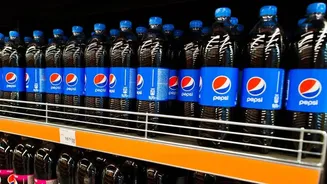
The rise of these 'ethnic beverages' is causing a noticeable shift in India's massive non-alcoholic beverage market. According to a Kotak Mutual Fund report, the market share of homegrown and smaller brands in the carbonated drinks sector doubled to around 15% by late 2025. In the same period, the combined share of global giants Coca-Cola and PepsiCo reportedly fell from approximately 93% to 85%. While nobody expects the cola kings to be dethroned overnight, this erosion of market share is significant. It signals that agility, local flavours, and smart pricing can effectively challenge long-established players. The success of brands like Lahori Zeera, which is projected to earn revenues of up to $120 million this year, shows that a local flavour can achieve massive scale.