






The Power of a Shorter Supply Chain
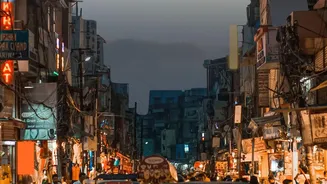
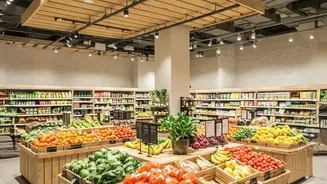
The primary reason your local sabzi mandi or kirana store can offer better prices is their lean operational model. Large supermarket chains and online platforms have complex supply chains involving multiple warehouses, extensive transportation networks,
and significant overheads like rent in prime commercial areas, electricity for cold storage, and employee salaries. These costs are inevitably passed on to you, the consumer. In contrast, local vendors often source their produce directly from larger wholesale markets or, in some cases, directly from farmers. This shorter supply chain, with fewer intermediaries taking a cut, results in a lower final price for fresh goods.
Fresh Produce for a Fraction of the Price
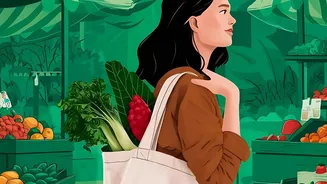
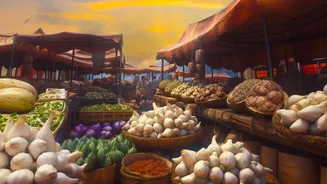
The price difference is most noticeable when it comes to fresh fruits and vegetables. A recent social media discussion highlighted a shopper who paid ₹102 for two guavas on a quick-commerce app, whereas a local vendor was selling nearly a kilogram for ₹80. This is a common experience. Supermarkets often sell produce that is pre-packaged, branded, and has travelled through a cold chain, all of which add to the cost. Your local market vendor, on the other hand, sells loose produce, allowing you to buy the exact quantity you need, which also helps in reducing food waste. The items are typically seasonal and locally sourced, making them not only cheaper but also fresher.
Lower Overheads Mean Lower Prices
Think about the structure of a kirana store versus a hypermarket. The local shop is often a family-run business, sometimes operating out of a family-owned property, which means low or zero rent. They don't have the high costs associated with air-conditioning, elaborate displays, or large marketing budgets. Their business model is built on high volume and quick inventory turns, not high margins. This low-cost structure is a fundamental advantage that allows them to remain price-competitive, especially for daily staples like rice, atta, and dals, even against the bulk-buying power of major retail chains.
The Advantage of Human Connection
Beyond the direct financial savings, shopping locally offers unique benefits. Regular customers often build a rapport with their neighborhood vendors, which can lead to a level of trust and personalized service that algorithms cannot replicate. Many kirana stores have traditionally offered informal credit through a 'khata' system, allowing families to manage their cash flow by paying for groceries at a later date. Furthermore, the ability to physically inspect the quality of goods before buying, a standard practice in local markets, gives shoppers more control over what they purchase compared to the prepackaged and often nonreturnable items from online stores.
A Smart Hybrid Shopping Strategy
This doesn't mean you must abandon supermarkets or online apps entirely. They offer convenience, a wider variety of branded and imported goods, and can have good deals on certain packaged items. However, for the bulk of your fresh produce and daily staples, the local market is often the undisputed winner on price and freshness. A smart strategy for the modern urban shopper is a hybrid approach: buy your weekly vegetables, fruits, and loose grains from the local mandi or kirana, and use supermarkets for specific packaged goods, household supplies, or when convenience is the top priority. This balanced approach allows you to enjoy the best of both worlds while significantly cutting down your monthly grocery bill.