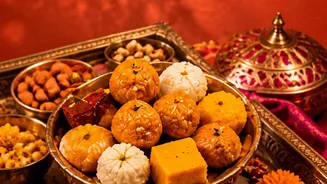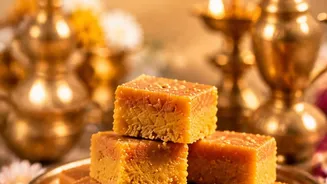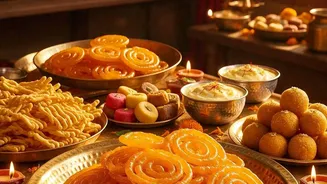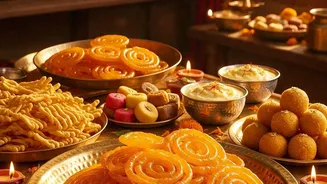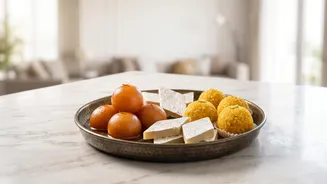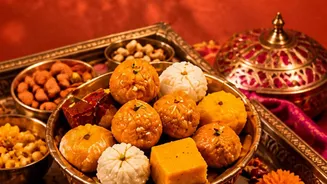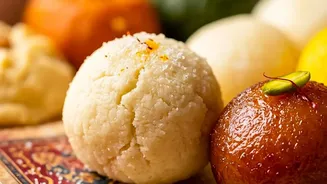

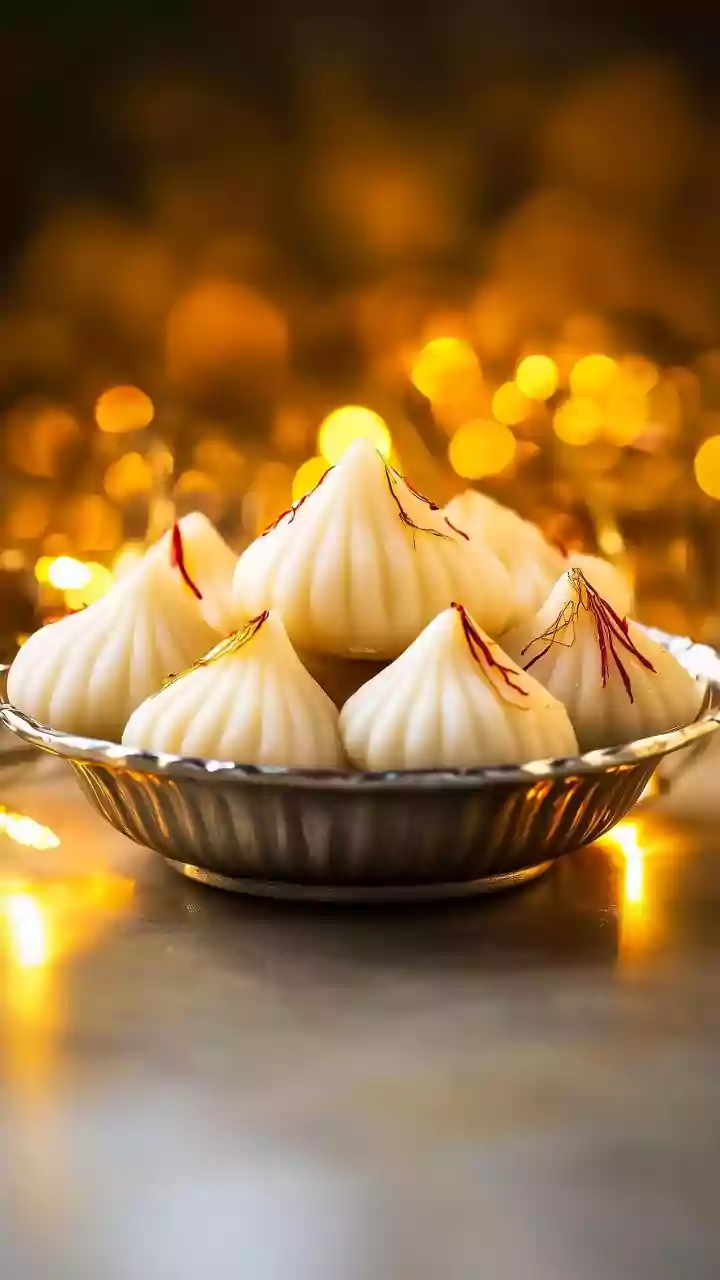
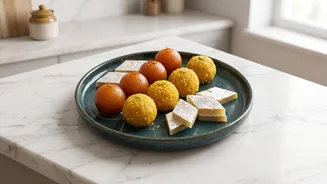
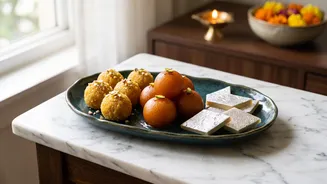
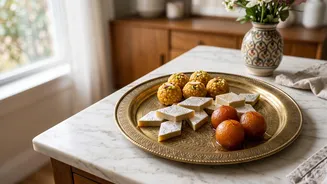
Engage Your Senses: Look and Smell First
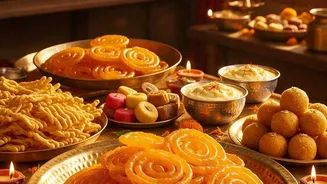
Before you even taste a sweet, your eyes and nose can tell you a lot. Freshly made sweets should have a natural, inviting aroma of their core ingredients, like the rich scent of ghee, the milky notes of khoya, or the fragrance of cardamom and nuts. Be cautious
if a sweet has an overpowering, artificial, or perfume-like smell, as this can be a sign that synthetic essences are being used to cover up for poor-quality ingredients. Visually, look for sweets that have a fresh, vibrant appearance but not a garish or unnaturally bright one. A dull, dry, or crumbly look can indicate staleness.
The Khoya and Mawa Check
Khoya, or mawa, is the foundation of many traditional Indian sweets, but it is highly perishable and often a target for adulteration. Pure khoya should have a slightly grainy texture and a fresh, milky smell. You can test it by rubbing a small amount on your palm; pure khoya will feel slightly greasy and leave a faint oily residue. If it feels pasty, dry, or smells sour, it's best to avoid it. A common adulterant is starch, which is used to add bulk. Demand for milk and khoya soars during Diwali, leading some unscrupulous sellers to use these cheaper fillers.
Good Fats vs. Bad Fats: Ghee and Oils
The flavour of a high-quality sweet is often defined by the fat used. Authentic mithai is made with pure ghee, which lends a distinctive, rich aroma and flavour. If you detect the smell or aftertaste of vegetable oil or vanaspati, it's a sign of cost-cutting. Sweets made with cheaper, hydrogenated oils can leave a greasy and unpleasant film in your mouth. High-quality sweets will have a clean taste profile where the flavour of the ghee complements the other ingredients without overwhelming them.
The Vark Verdict: Is It Real Silver?
The delicate, shimmering silver leaf known as 'vark' adds a touch of luxury to sweets like Kaju Katli and Barfi. However, this is another area where fakes are common. Real, food-grade silver vark is incredibly thin and should almost dissolve or disappear when you gently rub it between your fingers. Adulterated vark, which is often cheap and unsafe aluminium foil, will not dissolve; instead, it will roll up into a small, solid ball. Given that fake vark can be a health hazard, performing this simple touch test is crucial for safety.
Examine Nuts and Other Add-Ins
The quality of the nuts and dried fruits used in sweets is another important indicator. They should look and taste fresh, not stale, shrivelled, or discoloured. Premium sweet makers will use whole or generously sized pieces of high-quality almonds, pistachios, and cashews. If the nuts have a stale or rancid taste, it's a clear sign that old ingredients have been used, compromising the overall quality of the sweet.
Choose Reputable and Hygienic Shops
Perhaps the most reliable way to ensure quality is to buy from a trusted vendor. Choose shops that are clean, well-lit, and have a high turnover of customers, which suggests their products are fresh. Look for a displayed FSSAI license, as this indicates the manufacturer is registered and must adhere to food safety and hygiene standards set by the government. Especially during the festive season, authorities increase surveillance on sweet shops to check for adulteration, but buying from a source you trust remains your best first line of defence.