






The Parsi Culinary Signature
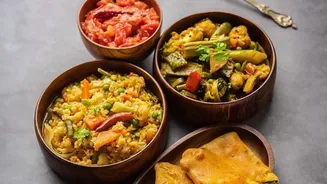
Parsi cuisine is a fascinating blend of its Persian roots and the flavours of Gujarat, where Parsis first settled in India. This history creates a distinct culinary profile often described as 'tikhu-khatu-mithu'—a trifecta of spicy, sour, and sweet notes
that dance together in one dish. While many Indian cuisines excel in layering spices, the Parsi method is renowned for this signature sweet-and-sour balance. Ingredients like sugarcane vinegar, jaggery, and tamarind are used to create this characteristic tang, transforming everyday ingredients into something truly special. This philosophy is applied to everything from lentil dishes like the famous dhansak to vegetable and meat preparations.
Reimagining the Humble Kathal
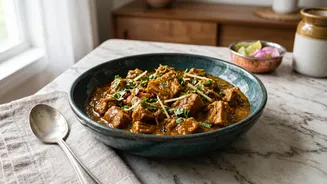
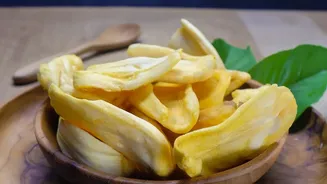
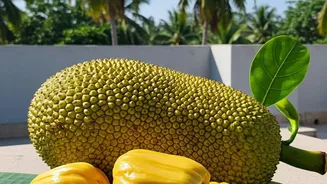
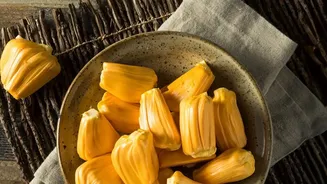
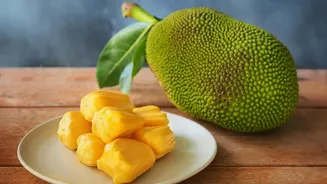
In many parts of India, kathal is celebrated for its fibrous, meaty texture, often prepared in rich, spicy gravies or as a dry sabzi. The goal is frequently to mimic the texture of meat. The Parsi preparation, however, takes a different path. It doesn't try to make the jackfruit something it's not. Instead, it leans into the vegetable's natural qualities, cooking it until tender but retaining a satisfying bite. The focus shifts from making it a meat substitute to celebrating it as a vegetable in its own right, bathed in a uniquely tangy and aromatic gravy that sets it apart from its North or South Indian counterparts.
Ingredients for Parsi Kathal
This recipe serves four and brings together classic Parsi flavours with the wholesome goodness of raw jackfruit. For the Jackfruit: - 500g raw jackfruit (kathal), peeled and cubed - 1 teaspoon turmeric powder - Salt to taste - Water for boiling For the Masala: - 2 tablespoons vegetable oil - 1 large onion, finely chopped - 1 tablespoon ginger-garlic paste - 2 medium tomatoes, pureed - 1 teaspoon cumin seeds - 1/2 teaspoon turmeric powder - 1 teaspoon red chilli powder (adjust to taste) - 1 teaspoon Parsi garam masala or dhansak masala. - 2 tablespoons sugarcane vinegar (or apple cider vinegar) - 1 tablespoon jaggery, grated (or brown sugar) - A handful of fresh coriander, chopped, for garnish
The Recipe: Step by Step
1. Prepare the Jackfruit: If using fresh kathal, oil your hands and knife before cutting to avoid the sticky sap. In a pot, bring water to a boil with salt and turmeric. Add the jackfruit cubes and cook for 10-15 minutes, or until they are tender but not mushy. Drain and set aside. 2. Create the Masala Base: Heat oil in a pan or kadai over medium heat. Add the cumin seeds and let them splutter. Add the chopped onions and sauté until they turn soft and golden brown. 3. Build the Flavours: Add the ginger-garlic paste and cook for a minute until fragrant. Stir in the tomato puree, turmeric powder, and red chilli powder. Cook this mixture for about 5-7 minutes, until the oil begins to separate from the masala. 4. Bring it all Together: Add the boiled jackfruit pieces to the pan, stirring gently to coat them with the masala. Pour in about a cup of water, then add the Parsi masala, jaggery, and vinegar. Season with salt. 5. Simmer to Perfection: Bring the curry to a simmer, then reduce the heat, cover the pan, and let it cook for another 10-12 minutes. This allows the jackfruit to fully absorb the sweet, sour, and spicy notes of the gravy. The final consistency should be a thick gravy clinging to the kathal pieces. Garnish with fresh coriander before serving.