




Understanding India’s Monsoon Zones
The Indian monsoon doesn't paint the entire country with the same brush. From June to September, while some regions are drenched in torrential downpours, others remain surprisingly arid and sunny. This is due to the country's diverse topography. The key
is to understand the difference between 'wet zones,' which receive the full force of the rain-bearing winds, and 'dry zones,' which are often located in rain-shadow areas shielded by mountain ranges. Knowing which zone your destination falls into is the first step to packing intelligently and ensuring you’re prepared for the weather that actually awaits you.
Wet Zones: Embracing the Downpour
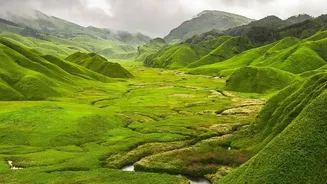
Wet zones are where you'll find the quintessential monsoon experience. These areas include the Western Ghats (covering destinations like Munnar, Coorg, Mahabaleshwar, and Goa) and Northeast India (home to Cherrapunji and Mawsynram, two of the wettest places on Earth). Here, rainfall can be intense and prolonged. Your packing strategy should prioritize staying dry and managing high humidity. Cotton is your enemy; it absorbs moisture and takes ages to dry. Instead, opt for synthetic, quick-dry fabrics for both clothes and underwear. A high-quality waterproof jacket or poncho is non-negotiable. Waterproof sandals with good grip are often better than shoes, which can get waterlogged and smelly. Finally, protect your valuables with dry bags or zip-lock pouches for electronics, documents, and cash.
Packing List for Wet Zones
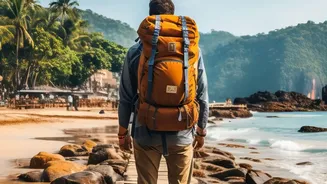
For a trip to places like Kerala, Goa, or Meghalaya during the monsoon, your bag should contain a few key items. A reliable, windproof umbrella and a lightweight, breathable rain jacket are essential. Pack two or three sets of quick-dry t-shirts and trousers. Footwear should consist of waterproof sandals or trail runners designed for wet conditions. To combat the dampness, bring a microfibre towel that dries quickly and anti-fungal powder. Given the increase in mosquitos, a strong insect repellent is a must. Also, consider carrying a portable power bank, as power cuts can be more frequent during heavy rains. A waterproof cover for your backpack is the final layer of defence for your belongings.
Dry Zones: The Monsoon-Dodgers
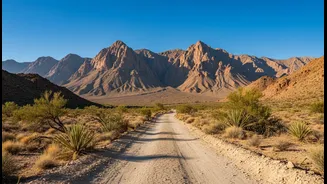
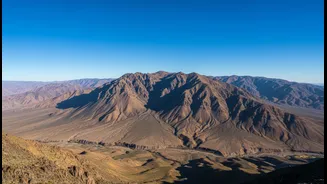
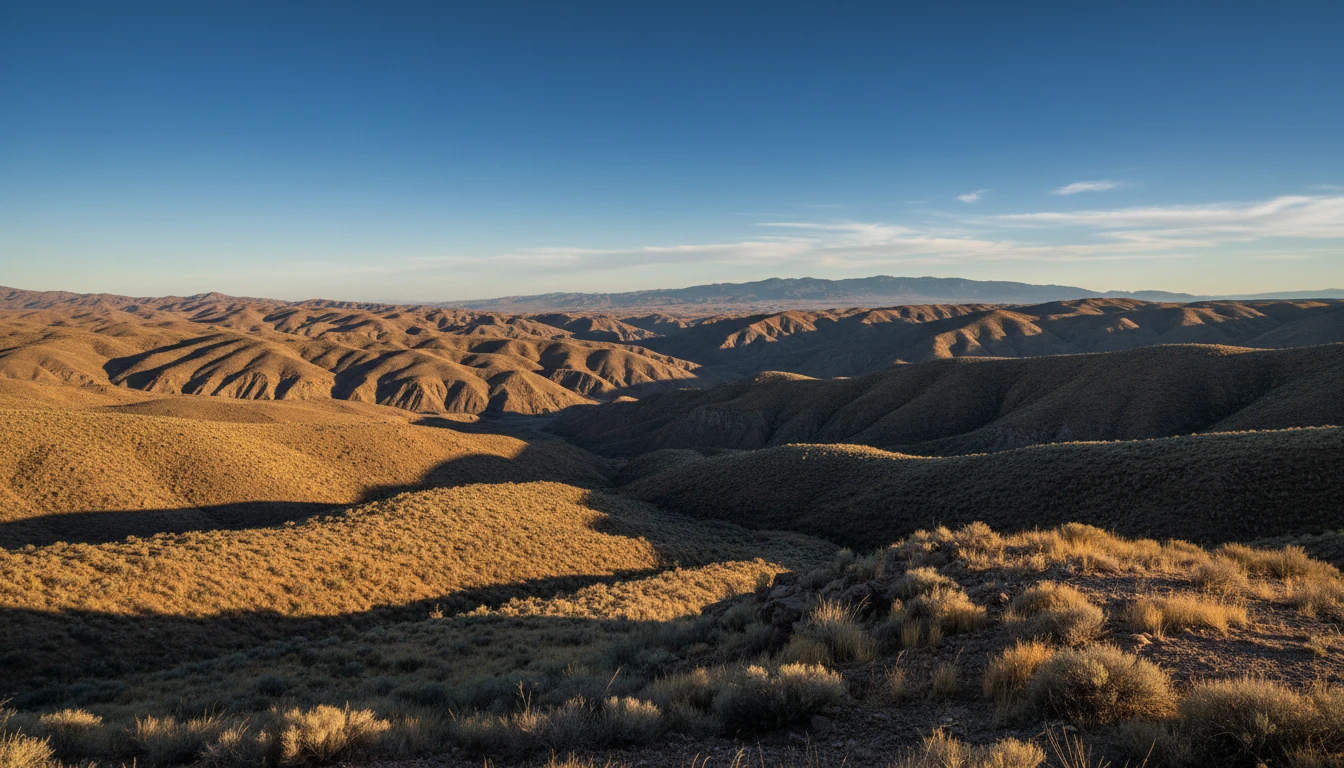
Counterintuitively, some of the best places to visit during India's rainy season are those that receive very little rain. These are the 'dry zones,' primarily located in the rain-shadow regions of the Himalayas and the Deccan Plateau. Ladakh and the Spiti Valley are classic examples; the towering Himalayas block most monsoon clouds, resulting in sunny skies and perfect trekking weather. Similarly, the eastern side of the Western Ghats, including parts of Tamil Nadu and the Deccan region of Maharashtra and Karnataka, sees significantly less rainfall than the coastal side. Pune is a well-known city located in such a rain-shadow area. For these destinations, your packing list will look quite different.
Packing List for Dry Zones
When heading to a dry zone like Ladakh or parts of Tamil Nadu, your focus shifts from waterproofing to layering and sun protection. While it may be the monsoon season elsewhere, here you'll likely encounter bright sun and clear days. Pack lightweight, breathable clothing, but also include a warm fleece or jacket, as temperatures in high-altitude deserts like Ladakh can drop significantly, especially at night. Sunscreen with a high SPF, a wide-brimmed hat, and sunglasses are essential to protect against strong UV rays at altitude. Comfortable walking shoes or hiking boots are more practical here than sandals. While you might not need a heavy-duty raincoat, a light, packable windbreaker can be useful for evenings or windy passes.
Essentials for Every Monsoon Traveller
Regardless of whether you're heading to a wet or dry zone, some items are universally useful for monsoon travel in India. A basic first-aid kit with antiseptic, bandages, and medication for stomach upsets is always a good idea. Hand sanitiser is invaluable. Because of the high humidity everywhere, electrolyte powders or rehydration salts can help you stay energised. Always download offline maps before you travel, as network connectivity can be patchy, especially in remote or hilly areas during the rains. Finally, pack a couple of dry bags or extra plastic bags; they weigh almost nothing and are incredibly useful for separating wet or dirty clothes from your clean ones, ensuring your trip remains organised and comfortable no matter the weather.