


The Surprising Power in the Peel
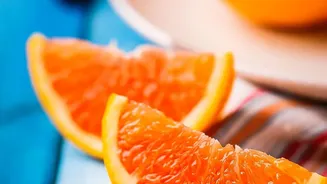
Before you get started, it’s worth knowing why orange peels are worth saving. Often discarded, the peel is surprisingly packed with beneficial compounds. It contains significant amounts of vitamin C, with just one tablespoon providing a notable portion
of your daily needs. Beyond vitamins, the rind is rich in plant compounds called polyphenols, like hesperidin and narirutin, which are antioxidants that may help manage various conditions. In fact, research shows that the total polyphenol content is generally higher in the orange peel than in the fruit itself. The peel is also a good source of dietary fibre, which is essential for digestive health. By preserving the peels, you're not just fighting food waste; you're capturing concentrated nutrition.
Safety, Sourcing, and Preparation
A common concern when eating citrus peel is pesticide residue, which can be higher on the skin of conventionally grown fruit. Whenever you plan to consume the peel, opting for organic oranges is the safest choice. If organic isn't an option, a thorough wash is crucial. Scrub the oranges well under running water before you begin. Some sources even recommend soaking them in a water solution with a bit of baking soda or vinegar. Once washed and peeled, you’ll need to tackle the peel's natural bitterness. This comes from the white pith. While you can try to scrape some of it off, the most effective method is to boil the peels. This simple step is key to a delicious final product.
Step 1: Soften the Peels and Reduce Bitterness
Start with the peels from about three or four large navel oranges. Slice them into thin strips, about a quarter-inch wide. Place the peel strips into a saucepan and cover them with cold water. Bring the water to a boil and let the peels cook for about 10 minutes. After 10 minutes, carefully drain the water and rinse the peels. Then, repeat the process: cover them with fresh cold water, bring it to a boil, and cook for another 10 minutes. Draining and boiling the peels twice is essential for removing most of the bitterness and softening their tough texture, making them much more pleasant to eat. After the second boil, drain them thoroughly and set them aside.
Step 2: Create the Syrup and Simmer
Now, it's time to candy the peels. In the same saucepan, combine one-and-a-half cups of sugar with two cups of water. You can also add a cup of fresh orange juice for a more intense citrus flavour. Heat the mixture over a medium flame, stirring until the sugar completely dissolves, creating a clear syrup. Once the syrup comes to a gentle boil, add your blanched orange peels. Reduce the heat to low and let the peels simmer in the syrup for approximately 45 to 60 minutes. Stir occasionally to prevent sticking. The peels are ready when they look translucent and have absorbed much of the sweet syrup. The syrup itself will also thicken as it cooks down.
Step 3: Finishing and Storing Your Preserves
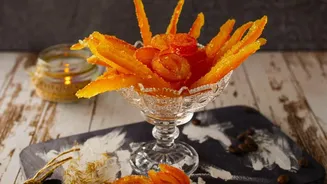
Once the peels are tender and translucent, you have a couple of options. For candied peels, use a slotted spoon to remove them from the syrup and let them cool slightly on a wire rack. While still sticky, you can toss them in granulated sugar for a classic finish. Allow them to air dry completely before storing in an airtight container. Alternatively, you can store the peels directly in their syrup. Simply pour the entire mixture from the pot into a clean, sterilized glass jar. Sealed tightly and kept in the refrigerator, these citrus peel preserves will last for several weeks, if not months.
How to Use Your Homemade Citrus Preserves
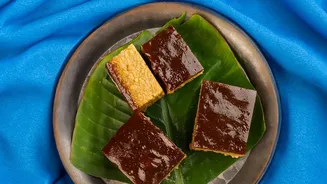
These glistening, jewel-toned peels are incredibly versatile. Chop them up and add them to scone or muffin batter for a burst of citrus flavour. Use them as a bright, elegant garnish for cakes, panna cotta, or a simple bowl of ice cream. They are a fantastic addition to a cheese or charcuterie board, offering a sweet counterpoint to savoury flavours. You can also stir them into yogurt or porridge, mix them into trail mix, or simply enjoy one as a sweet treat with a cup of tea. The leftover syrup is liquid gold; don’t discard it. Use it to sweeten cocktails, iced tea, or drizzle it over pancakes.