



The Original One-Pot Wonder
Long before it became a social media trend, the one-pot meal was a cornerstone of Indian home cooking. Dishes like khichdi, dalma, and bisibelebath combine lentils, rice, and vegetables into a single, nutritionally complete meal. These dishes are not
just comforting; they are masters of efficiency. They require minimal active cooking time, allowing you to carry on with other tasks as they simmer away. By using a single vessel, you also drastically cut down on cleanup time, a significant bonus for anyone juggling a packed schedule. This approach embodies a practical wisdom that fits perfectly into a lifestyle where every minute counts.
Nature's Own Meal Prep
The idea of meal prepping isn't new to the Indian kitchen. Think of the foundational onion-tomato masala, the versatile base for countless curries. Preparing a large batch over the weekend can slash weekday cooking times. Similarly, lentils and legumes, staples of the Indian diet, can be boiled in advance and stored. These pre-cooked components can be quickly transformed into a variety of dishes like dal tadka, sambar, or a simple bean salad. This method of batching core ingredients allows for variety and freshness without the daily grind of starting from scratch.
The Power of the Pressure Cooker
The pressure cooker is an unsung hero of the efficient Indian kitchen. This single appliance drastically reduces the cooking time for otherwise lengthy items like chickpeas, kidney beans, and various lentils. What might take an hour or more on the stovetop can be ready in a fraction of the time. This speed doesn't come at the cost of nutrition; in fact, pressure cooking helps retain more vitamins and minerals compared to some other cooking methods. Mastering the pressure cooker means unlocking the ability to prepare wholesome, traditional meals like rajma or chana masala on a weeknight, a feat many consider impossible.
A Symphony of Spices
Indian cuisine's liberal use of spices is about much more than just flavour; it's about functional, medicinal benefits that support a high-stress lifestyle. Spices like turmeric are renowned for their anti-inflammatory properties, while cumin and ginger act as powerful digestive aids. Cardamom and cloves have immunity-boosting qualities. In a busy world where we often neglect our well-being, incorporating these spices is an effortless way to support our body's resilience. A simple tadka (tempering) of spices can elevate a plain dish into a flavourful and healthful meal, proving that good health doesn't have to be bland or time-consuming.
Inherently Balanced Nutrition
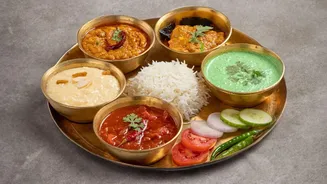
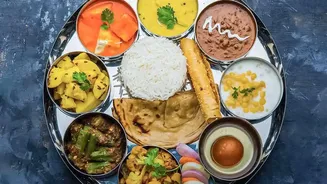
The traditional Indian thali is the original blueprint for a balanced meal. It intuitively combines carbohydrates (rice, roti), proteins (dal, legumes), vitamins and fibre (vegetables), and healthy fats (ghee, yogurt). This holistic approach ensures you get a wide range of nutrients in a single sitting, promoting satiety and sustained energy. Unlike many modern fad diets that restrict entire food groups, the Indian way of eating focuses on balance and variety. This naturally portion-controlled and nutrient-dense model is ideal for preventing the energy slumps and cravings that often accompany a hectic day.