



The Calorie Burn Question
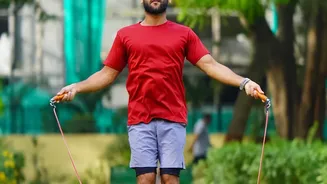
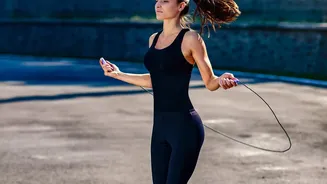
When it comes to pure efficiency, skipping rope is the clear winner. A person weighing around 70 kg can burn between 120 and 130 calories in just 10 minutes of moderate skipping. To burn a similar number of calories, the same person would need to walk
briskly for about 30 minutes. That 3:1 calorie-burn ratio makes skipping incredibly time-efficient. Research has even shown that 10 minutes of daily skipping can improve cardiovascular fitness as effectively as 30 minutes of jogging. However, the best workout is the one you actually do. While skipping burns more calories per minute, a 45-minute walk will burn more total calories than a 10-minute skipping session. The choice depends on whether you have more time to spare or need a faster, more intense workout.
Impact on Your Joints
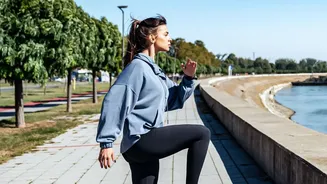
Walking is the undisputed champion of low-impact exercise. It puts minimal stress on the joints, making it a safe and accessible option for people of all fitness levels, including those with arthritis, osteoporosis, or previous injuries. Running, by contrast, creates a force equal to about 2.5 times your body weight with each stride. Skipping falls somewhere in the middle. It's a high-impact activity, but when done with proper technique—staying on the balls of your feet with a slight bend in the knees—the impact is distributed more efficiently than the typical heel-strike pattern of walking or running. This can make it feel less jarring than people expect. Still, for anyone with pre-existing knee or ankle issues, walking is the safer bet to start with.
Cost and Accessibility
It doesn't get more accessible than walking. It’s free, requires no special equipment beyond a comfortable pair of shoes, and can be done almost anywhere—around your neighbourhood, in a park, or even at a mall. This makes it incredibly easy to integrate into your daily life. Skipping is also very affordable and portable. A good quality jump rope is inexpensive, and you only need a small amount of flat space to get a great workout in. This makes it an excellent choice for home workouts or for people who travel frequently. The main barrier is having a suitable surface and enough overhead clearance, which can be a challenge in small apartments.
The Skill and Coordination Factor
Walking requires no learning curve. You already know how to do it. The challenge is not in the 'how' but in the 'how often' and 'how intensely'. Skipping, on the other hand, requires skill. There's a learning curve involving timing, rhythm, and coordination that can take a few weeks to master. For some, this can be frustrating. For others, the challenge of learning a new skill is what makes the workout engaging and fun, preventing the boredom that can sometimes set in with more repetitive exercises like walking. Overcoming the initial awkwardness can be a motivating victory that keeps you coming back.
Which is More Sustainable?
Sustainability is the most critical factor in any exercise plan. The 'best' routine is the one you can perform consistently without burning out or getting injured. For many beginners, walking is more sustainable. It’s gentle on the body, mentally relaxing, and easy to schedule. You can listen to a podcast or walk with a friend, making it a social activity. The sustainability of skipping depends on your personality. If you're short on time and enjoy high-intensity challenges, the efficiency of skipping might be the key to your consistency. If you find it frustrating or it causes discomfort, you're unlikely to stick with it. The key is to choose the activity you genuinely enjoy, as enjoyment is the biggest predictor of long-term success.
How to Maximize Your Choice
Once you've made a choice, you can enhance your workouts. For walking, increase intensity by incorporating hills, adding short bursts of speed (intervals), or wearing a weighted vest. The goal is to walk fast enough to elevate your heart rate. For skipping, focus on proper form to prevent injury. Keep your jumps low, your elbows tucked in, and turn the rope from your wrists, not your shoulders. As you improve, you can try different techniques like high knees or double-unders to increase the intensity and keep the workout challenging and fresh.