


The Quiet Rise of the Table for One
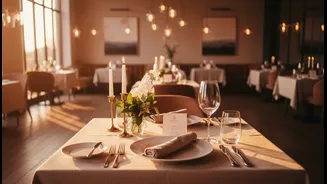
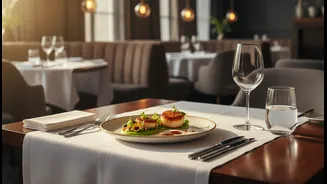
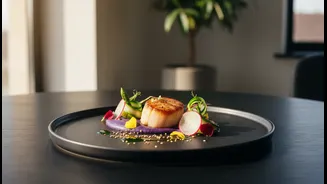
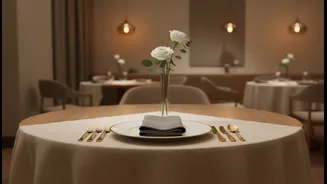
Dining alone in India was, for a long time, an anomaly. A table for one often invited curious stares or misplaced pity. But a quiet revolution is underway in urban centres. Driven by shifting lifestyles, flexible work hours, and a growing desire for personal
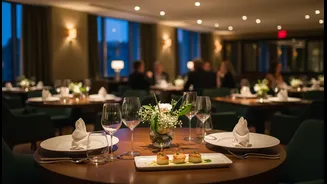
choice, more Indians are embracing solo dining. This isn't about loneliness; it's about liberation and intentional solitude. People are choosing to treat themselves, on their own terms, without waiting for company. This cultural shift, propelled by millennials and Gen Z, sees solo experiences as a form of empowerment, a conscious choice to carve out 'me-time' in a busy world. As a result, restaurants are beginning to see the solo diner not as an exception, but as an intentional and valuable guest.
Idli and its Communal Soul
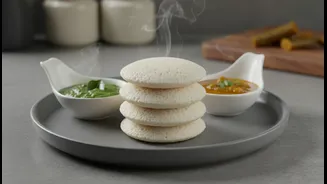
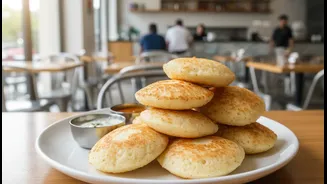
Think of idlis, and you likely picture a large steamer, turning out dozens of fluffy, white cakes for a family breakfast. This South Indian staple is inherently communal. Made from a fermented batter of rice and lentils, idlis are typically mild in taste and designed to be enjoyed with an array of shared accompaniments like sambar, coconut chutney, and podi. The process itself—soaking, grinding, fermenting, and steaming—lends itself to making larger batches. For decades, the idli has been a symbol of shared meals, a dish that brings people together at the start of the day. Its identity is tied to the collective experience, making it a fascinating candidate for reinvention in the age of the individual.
A Modern Makeover for a Classic
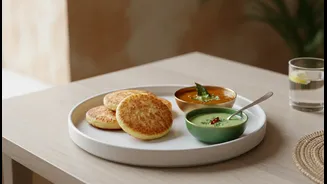
So how do you adapt a dish made for many for just one person? Restaurants are getting creative. Instead of a plate of identical idlis, menus now feature assorted platters. These 'tiffin' style meals for one might include a couple of traditional idlis, a few bite-sized 'mini' idlis, perhaps a spiced Kanchipuram idli, and even a vada, served with small portions of different chutneys and a cup of sambar. This approach allows a solo diner to experience a variety of tastes and textures in a single order. Other innovations include stuffed idlis with vegetable or paneer fillings, and fusion creations like idli chaat or tawa-fried idlis, which function as self-contained snacks or light meals. These smaller, more diverse formats are perfectly suited for an individual palate, offering a complete and satisfying experience without the need to order multiple dishes.
A Win-Win for Diners and Restaurants
This evolution is a classic case of supply meeting demand. For solo diners, these new menus offer freedom from compromise. They can satisfy a craving for traditional flavours without committing to a large, monotonous portion or feeling like they're missing out. It allows for exploration and indulgence on a personal scale. For restaurants, catering to this growing demographic makes perfect business sense. Reports indicate that solo diners often spend more per person than groups, as they order based on personal craving rather than a negotiated consensus. By designing smaller, varied, and tasting-style plates, establishments can attract a reliable stream of customers, especially during off-peak hours, turning what was once an overlooked market into a new revenue opportunity.