

The Modern Nutritional Upgrade
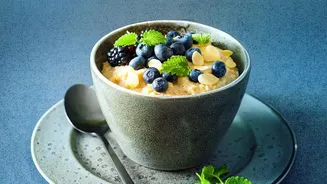
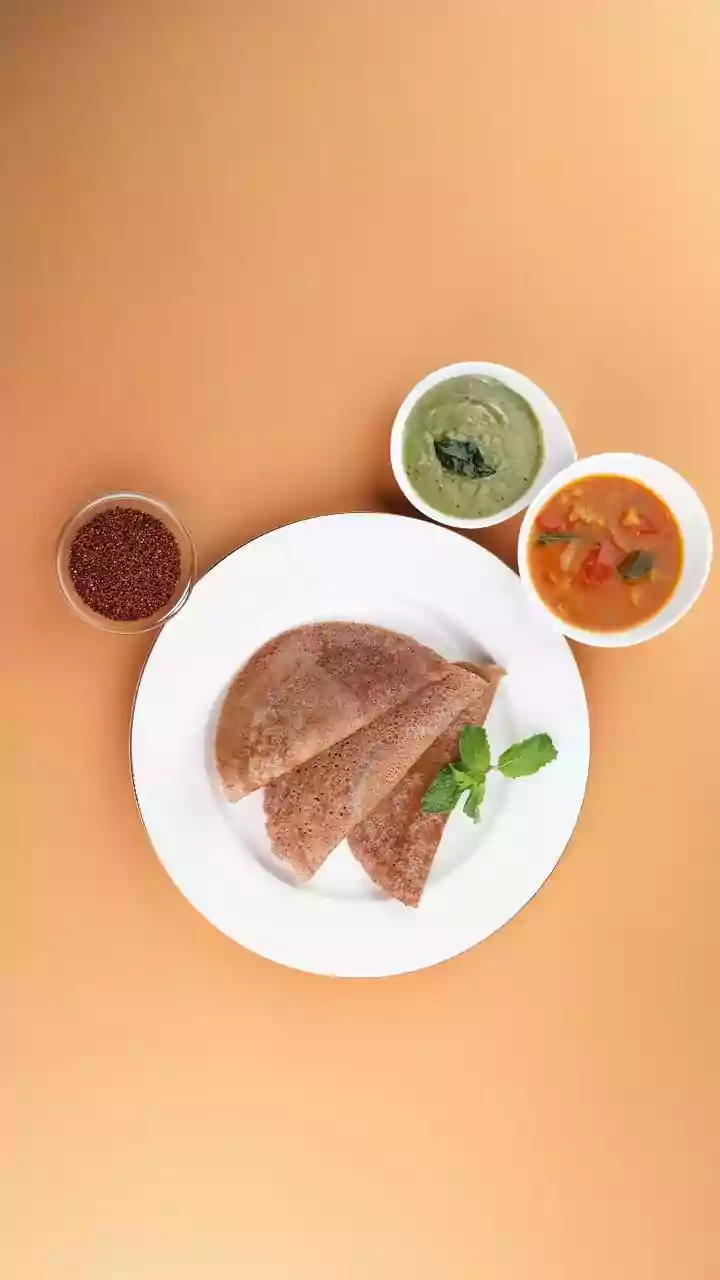
The primary driver behind this breakfast switch is health. Millets are nutritional powerhouses compared to polished white rice. They are packed with more protein, significantly higher dietary fibre, and essential minerals like iron, magnesium, and calcium.
For urban families increasingly wary of lifestyle diseases like diabetes and obesity, the low glycemic index of millets is a major draw. Unlike rice, which can cause sharp spikes in blood sugar, millets release energy slowly, providing sustained fuel for a busy day and promoting better weight management. Being naturally gluten-free, they also cater to a growing population with gluten sensitivities.
Convenience for the Time-Pressed
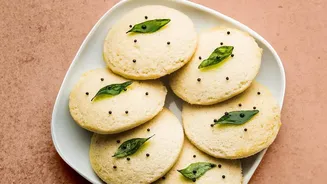
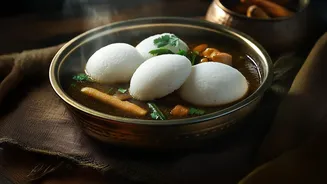
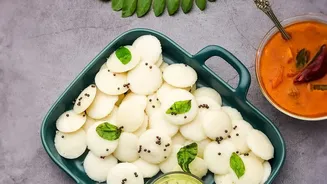
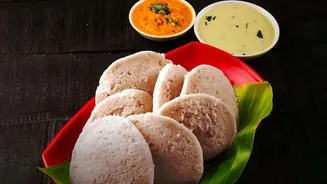
For a meal to succeed in a busy urban kitchen, it must be convenient. Millet idlis and appams fit this requirement perfectly. The preparation process mirrors the traditional one: the batter is made by soaking and grinding grains, which is then fermented. This batter can be prepared over the weekend and stored in the refrigerator for several days. Each morning, it’s simply a matter of pouring the batter into a mould or an appam pan and steaming for a few minutes. This ‘ready-to-cook’ convenience makes it an ideal solution for professionals and parents juggling packed schedules, eliminating the need for elaborate morning cooking sessions.
The Gentle Power of Steaming
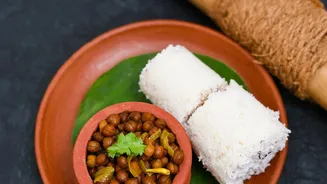
The cooking method is as important as the ingredients. Appams and idlis are steamed, a technique celebrated for its health benefits. Steaming requires no oil, instantly reducing the calorie and fat content of the meal. This method also helps preserve the nutrients, colours, and textures of the food, which can be lost during boiling or frying. A steamed breakfast is light and easy to digest, providing energy without the sluggishness that a heavy, oily meal can cause. It’s a gentle start to the day, supporting gut health and ensuring the body can easily absorb the nutrients from the millets.
A Return to Ancient Roots
The embrace of millets is not the discovery of a new food, but the rediscovery of an old one. Millets have been cultivated in India for thousands of years, forming a staple part of diets long before rice and wheat became dominant after the Green Revolution. The current trend is fueled by a growing sense of cultural pride and a desire to reconnect with traditional, sustainable food systems. Government initiatives, like the International Year of Millets, have also played a significant role in raising awareness. This revival has repositioned millets from being a 'poor man's grain' to a 'superfood' celebrated in modern cafes and home kitchens alike.