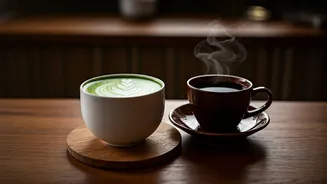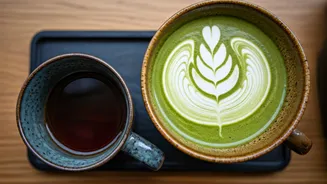









The Caffeine Kick: A Tale of Two Buzzes
At first glance, coffee seems to be the undisputed caffeine champion. An average eight-ounce cup of filter coffee packs about 95mg of caffeine, delivering a quick and powerful jolt of energy. [7] This rapid absorption is why coffee is so effective at
shaking off morning grogginess, but it can also lead to the infamous jitters and a subsequent energy crash. [1, 4] Matcha, on the other hand, plays a longer game. A typical serving contains less caffeine, generally ranging from 38-88mg. [4] The key difference lies in an amino acid called L-theanine, which is abundant in matcha. [6] This compound slows down the body's absorption of caffeine, resulting in a more sustained, gentle release of energy that can last for three to six hours, without the sharp spike and fall associated with coffee. [6, 16]
The Wellness Warriors: Antioxidants and Nutrients
When it comes to health benefits, both drinks bring powerful properties to the table, primarily due to their high antioxidant content. [15] Coffee is rich in polyphenols and chlorogenic acids, which have been linked to a reduced risk of conditions like type 2 diabetes and heart disease. [11, 18] However, matcha often takes the spotlight in this category. Because you consume the entire ground tea leaf, you get a more potent dose of nutrients. [16] Matcha is exceptionally rich in catechins, particularly epigallocatechin gallate (EGCG), a powerful antioxidant known for its anti-inflammatory properties and potential to protect against chronic diseases. [7, 11] Some sources suggest matcha contains significantly more antioxidants than both regular green tea and coffee. [11]
Mind and Mood: Calm Focus vs. Sharp Alertness
This is where the unique chemistry of each beverage truly shines. The L-theanine in matcha does more than just regulate caffeine; it actively promotes a state of 'calm alertness'. [2] It does this by increasing alpha brain waves, which are associated with relaxation and focus, similar to the effects of meditation. [10, 14] This synergy between L-theanine and caffeine can enhance cognitive function, improve mood, and reduce stress and anxiety, making it a favourite for those needing sustained concentration. [8, 9] Coffee's effect on the mind is more direct. The caffeine quickly blocks adenosine receptors in the brain, which are responsible for promoting sleep, leading to a state of heightened vigilance and alertness. [12] For those who need an immediate and powerful boost to get going, coffee delivers an unmatched kick. [7]
Taste, Ritual, and Other Considerations
Beyond the chemistry, the experience matters. Filter coffee offers a familiar roasted, aromatic, and sometimes nutty or chocolaty flavour. [12] Its preparation is often a quick, automated part of the morning. Matcha has a distinctly different profile: it's grassy, earthy, and often described as having a savoury 'umami' quality. [1, 10] The traditional preparation, which involves whisking the fine green powder with hot water, can be a mindful ritual in itself. [13] There are other practical points to consider. Coffee is generally less expensive and more widely available. [12] On the other hand, matcha is better for oral hygiene, as its compounds can fight plaque-causing bacteria, and it is less likely to stain teeth than coffee. [1, 19]