



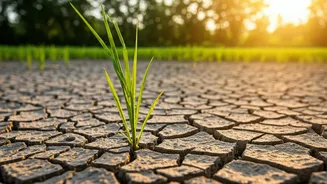


The Immediate Vegetable Shock
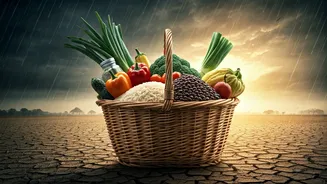
The very first impact of the monsoon is felt in the vegetable market. Prices of perishable goods like tomatoes, onions, and leafy greens can skyrocket almost overnight. [17, 24] This isn't just about the rain helping crops grow; it's often the opposite.
Heavy initial downpours can damage ready-to-harvest crops and disrupt transportation from farms to city markets. [20, 25] In June 2026, a combination of preceding heatwaves and a delayed, erratic monsoon has already caused significant price hikes. [2] Tomato prices, for instance, have seen a dramatic surge as supplies from key growing states have been disrupted. [17] Data from May 2026 showed double-digit inflation for several key vegetables even before the monsoon fully set in, a trend that is expected to continue as supply chains grapple with waterlogged roads and logistical bottlenecks. [2, 25]
A Monsoon in Deficit
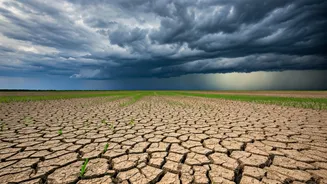
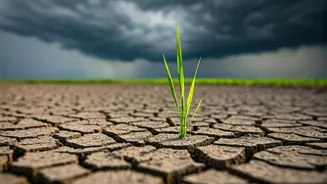
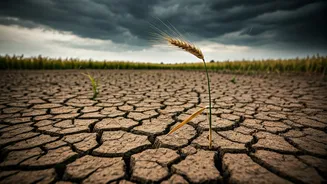
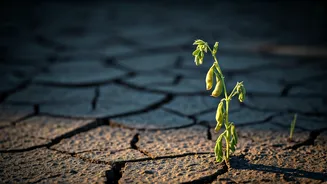
This year, the concern is particularly acute. As of late June 2026, the monsoon is running a significant deficit, with cumulative rainfall across the country over 40% below normal. [2, 18] This has prompted warnings from the Reserve Bank of India (RBI), which has flagged a weak monsoon as a key risk to India's inflation and growth outlook. [3, 4, 10] The India Meteorological Department (IMD) has also revised its forecast, predicting below-normal rains for the season, largely influenced by developing El Niño conditions. [8, 22] A delayed or weak monsoon directly impacts the sowing of 'kharif' or summer crops, which are crucial for the nation's food security. [6, 12, 27]
The Kharif Crop Factor
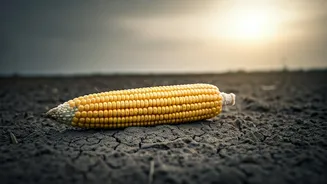
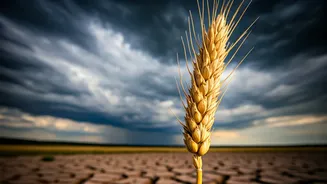
While vegetable prices react instantly, the monsoon's effect on staples like rice, pulses, maize, and soybeans is a slower burn. These are the kharif crops, sown during the monsoon season. [26, 27] A poor monsoon means delayed sowing, which has already been observed this year, with planting lagging behind the previous year's pace. [14, 15] Lower rainfall can lead to lower yields, which means reduced supply in the months to come. This has a cascading effect, impacting rural incomes and potentially leading to higher prices for essentials like dal and rice later in the year. [5, 6] The government often has buffer stocks of grains to prevent major shortages, but a significant production shortfall puts pressure on these reserves and the entire food system. [13, 27]
Beyond the Farm Gate
The monsoon's impact extends far beyond the farm. It is a critical test for India's entire supply chain. Heavy rains can damage roads, flood railway tracks, and make last-mile delivery in cities a nightmare. [20, 25] This not only delays the arrival of food but also increases the cost of transportation, a cost that is ultimately passed on to the consumer. [25] Furthermore, high humidity during the monsoon increases the risk of spoilage for perishable goods, especially in a country still developing its cold-chain infrastructure. [5, 11] These logistical hurdles mean that even if there's enough produce at the farm, getting it to your local vendor in good condition becomes a more expensive and challenging task.
What to Expect Now
With June 2026 on track to be one of the driest on record, economists and the RBI are closely monitoring the situation. [18] Food inflation is already trending upwards. [31] The central bank has noted that while it will watch the data, the erratic monsoon is a significant uncertainty for its inflation projections. [10, 16, 19] For the average household, this means continued volatility in vegetable prices is likely in the short term. The prices of staples will depend on whether the monsoon recovers in July and August, which are critical months for crop growth. [8] While heavy rains are now lashing parts of Eastern India, the national deficit remains a primary concern for policymakers and consumers alike. [9]