





The Rise of the Micro-Cation
Forget saving up 20 days of leave for a single, exhaustive trip. The new mantra for young Indian professionals is to travel more frequently, but for shorter durations. This trend, often called 'micro-cationing' or 'bite-sized travel', involves taking
two-to-four-day trips, usually built around a long weekend, to quickly recharge. The logic is simple: why have one big holiday when you can have several smaller ones spread throughout the year? This shift is so pronounced that reports show a significant increase in people taking more than three trips a year. It reflects a fundamental change in how young Indians view travel—not as an occasional luxury, but as a habitual and necessary part of their lifestyle.
A Strategy to Combat Burnout
This trend isn't just about wanderlust; it's a direct response to the pressures of modern work culture. With hustle culture, constant digital connectivity, and blurred work-life boundaries, burnout has become a major concern for Gen Z and Millennial workers. Mini-vacations serve as a crucial coping mechanism. For many, these quick getaways are less about elaborate sightseeing and more about securing a mental reset. A staggering 91% of Indian travellers now want trips built around natural scenery, with the primary goal being to mentally unwind rather than check off attractions. These short, restorative breaks provide a much-needed release valve, helping young professionals disconnect and return to work with renewed energy.
The New Economics of Travel
The mini-vacation boom is powered by accessibility and affordability. The headache of coordinating a long trip with multiple friends and scarce annual leave is a major deterrent. A three-day break, however, is easier to plan spontaneously. The rise of budget airlines, efficient online travel agencies, and a wide network of trains and buses has made short-haul travel easier than ever. Accommodation has also evolved, with homestays and boutique hostels offering affordable and authentic experiences. While individual trip spending on long weekends is rising, with many spending between ₹80,000 to ₹1 lakh, these costs are spread across the year, making it feel more manageable than a single, expensive annual holiday.
Blending Work and Leisure
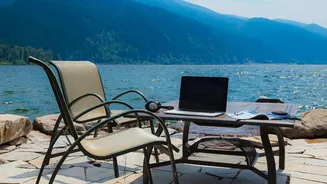
The line between work and leisure is becoming increasingly blurry, giving rise to 'bleisure'—the practice of blending business trips with leisure time. With the normalisation of flexible and remote work policies, many young workers are extending their work trips by a few days to explore a new city or simply relax. This trend is particularly strong in India, where professionals are keen to find a balance between their careers and their desire for exploration. Some are even taking 'workations', temporarily relocating to scenic destinations like mountain towns to work during the day and explore in the evenings, transforming their work routine into a continuous travel experience.
Destinations for the Quick Escape
The destinations of choice for these mini-vacations are often just a short flight or a drive away. The focus is on accessibility and getting a quick change of scenery. Domestically, hill stations, coastal towns, and spiritual centres are seeing a surge in popularity for these short breaks. For those venturing abroad, nearby visa-friendly countries like Thailand, Bali, Sri Lanka, and the Maldives are top picks for a three-to-five-night international getaway. The goal isn't necessarily to discover a completely unknown place but to find a destination that offers a reliable and refreshing escape from the daily grind.