







The Urban Farmer's Dilemma
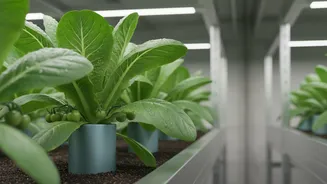
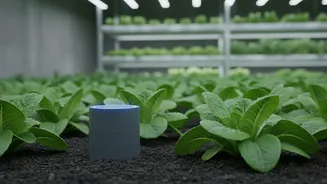
Urban agriculture, from rooftop gardens to skyscraper-sized vertical farms, represents a bright spot in our food system. These operations promise locally grown, fresh produce with a smaller carbon footprint. However, their enclosed and often densely packed
nature can make them vulnerable to pest infestations that, once started, can spread rapidly. While traditional farms might resort to chemical pesticides, the entire appeal of much urban-grown produce is its purity and freedom from such substances. This creates a significant challenge: how to protect crops and profits without compromising the chemical-free promise that consumers expect. Growers have relied on integrated pest management (IPM), which includes introducing beneficial predator insects, but these methods require careful management and aren't always sufficient.
A Symphony of Defense
Enter bioacoustic technology. The concept is rooted in the simple fact that living organisms produce, receive, and react to sound. For decades, scientists have studied how certain sound frequencies, particularly those in the ultrasonic range (above 20 kHz, beyond human hearing), can affect insect behavior. These high-frequency sound waves can disrupt the nervous systems of common pests like moths, aphids, and whiteflies, making an environment irritating and inhospitable. The goal isn't necessarily to harm the insects but to repel them, interfere with their communication and reproduction, and encourage them to leave the area. In some cases, the technology mimics the ultrasonic calls of natural predators like bats, triggering an innate avoidance response in moths.
From Lab to Lettuce
This technology is moving beyond the conceptual stage. Research institutions and ag-tech startups are developing and testing acoustic devices for agricultural settings. For example, studies by Japan's National Agriculture and Food Research Organization (NARO) found that applying non-contact force with ultrasonic waves successfully dispersed significant percentages of whiteflies and aphids from plant leaves. Crucially, the research also showed that prolonged exposure to the sound waves could cut the number of eggs laid by whiteflies in half, demonstrating a direct impact on pest population growth. While the technology is still being refined for widespread commercial use, these findings prove its potential as a viable, non-invasive pest control tool, especially for the controlled environments of greenhouses and vertical farms.
The Future Sounds Clean
The implications for urban agriculture are enormous. By integrating acoustic pest management, urban farms can bolster their defenses without resorting to chemicals. This reinforces their core value proposition of providing clean, safe, and locally grown food. While challenges remain, including equipment costs and ensuring the effective range of the devices, the long-term benefits are compelling. Reduced reliance on pesticides not only protects the environment and consumer health but also lowers operational costs associated with chemical purchasing and application. As artificial intelligence is increasingly paired with bioacoustics to better identify and target specific pests, the precision and effectiveness of these systems are expected to grow, making sound-based defense a cornerstone of sustainable, modern agriculture.