







Beyond the Burnout
The phenomenon isn't just about logging off; it's about logging *in* to the physical world. After years of optimizing our lives for digital convenience, many are feeling the distinct emptiness that comes from a life lived through screens. This feeling,
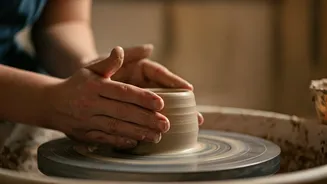
often dubbed "digital burnout," is characterized by mental exhaustion, a sense of detachment, and a nagging feeling that our time is being spent, not invested. The antidote, for a growing number of people, is not another app or digital wellness tool, but a return to analogue, tactile activities. This includes everything from pottery and knitting to gardening, baking sourdough, collecting vinyl records, or even just embracing physical books over e-readers. These aren't new hobbies, but their resurgence points to a deep-seated human need that the digital world has struggled to fulfil.
The Psychology of Touch
Why are these activities so compelling right now? The answer lies in their multi-sensory nature. Unlike scrolling, which primarily engages only our sight and a single repetitive motion, tactile hobbies engage our sense of touch, sound, and sometimes even smell. This sensory richness helps ground us in the present moment, a core principle of mindfulness. Neuroscientists explain that working with our hands activates different parts of the brain, promoting a state of "flow" — a deeply immersive and enjoyable state of concentration where we lose track of time. It's the polar opposite of the distracted, fractured attention demanded by a feed full of notifications. The repetitive motions of activities like knitting or kneading dough can be meditative, helping to lower heart rates and reduce levels of the stress hormone, cortisol.
From Pixels to Pottery
The trend is particularly visible among younger generations, including Millennials and Gen Z, who grew up as digital natives. Having never known a world without the internet, they are paradoxically leading the charge back to analogue. For them, a physical object—a lumpy, handmade ceramic mug, a hand-knit scarf, a well-tended houseplant—offers a sense of permanence and accomplishment that a viral post or a high score in a game cannot. It's proof of time well spent. This isn't a complete rejection of the digital world. Ironically, social media platforms like Instagram and TikTok are often where these analogue hobbies gain visibility. A knitter shares their work-in-progress, a potter posts a satisfying video of their wheel, and a community forms, inspiring others to pick up the craft. The digital world becomes a catalogue of analogue inspiration.
Creating, Not Just Consuming
At its core, this shift is about moving from a mode of passive consumption to one of active creation. Mindless scrolling is an act of consuming a never-ending stream of information, images, and opinions curated by an algorithm. It rarely leaves us feeling fulfilled. Creating something with your hands, however imperfect, provides a tangible output for your time and energy. It fosters patience, teaches problem-solving, and builds a unique skill. Whether it's nurturing a seed into a tomato plant or turning a ball of yarn into a sweater, the process yields a result that is undeniably *real*. This sense of agency is a powerful counter-narrative to the feeling of helplessness that can come from being a passive user in a vast digital ecosystem.