





The Big Picture: Why the Long Waits?
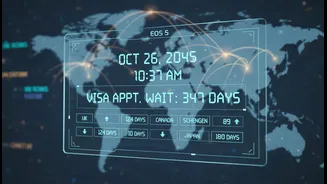
The long and unpredictable wait times for US visa appointments in India are the result of a perfect storm of factors. Consular services are still dealing with backlogs that accumulated in previous years. This is combined with a massive surge in demand
from Indian applicants for travel, education, and business. Limited staffing and appointment slots at consulates struggle to keep up with the sheer volume of applications. The U.S. Department of State officially notes that wait times are based on workload and staffing, which can vary from week to week, making advance planning essential for any applicant.
Visitor Visas (B1/B2): A Test of Patience
The longest waits are typically for visitor visas (B1 for business, B2 for tourism), which affect the largest number of applicants. For first-time interview applicants, waits can stretch from over 100 days to nearly 300 days depending on the consulate. Recent data showed Mumbai having some of the longest delays, potentially up to nine months, while Chennai and Kolkata often offered comparatively quicker appointments. These B1/B2 visas are in high demand for tourism, family visits, and business meetings, contributing to the lengthy queues.
Student & Worker Visas: A Higher Priority
There is better news for students (F, M, J visas) and temporary workers (H, L visas). These categories are often prioritized to meet academic start dates and employment needs. Student visa appointments, especially during the peak season from May to August, are generally available within one to two months. Similarly, work visas like the H-1B can often be secured within one to three months, a significant improvement from past backlogs. However, even for these prioritized categories, applicants are advised to check official sources regularly as wait times can shift.
A Tale of Five Cities: Wait Times by Consulate
The consulate you apply to can make a huge difference. As of mid-2026, trends show significant variation across India’s five visa-issuing posts. Mumbai and New Delhi often experience the heaviest B1/B2 interview loads, with waits sometimes exceeding 150-300 days. In contrast, Chennai and Kolkata frequently have shorter wait times due to different applicant volumes and processing capacities. Hyderabad, a major post for student and IT professional applications, has also seen improvements. A key tip for Indian applicants is that you can book your interview at any of the five posts, regardless of where you live, which allows for strategic planning to find a shorter queue.
Navigating the System: Tips for Applicants
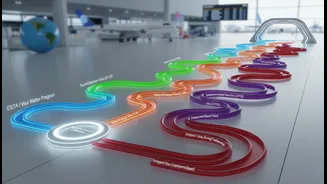
While the long waits can be daunting, there are ways to manage the process. First and foremost, plan well in advance. Check the U.S. Department of State’s official Global Visa Wait Times website frequently, as new appointments are added regularly. For those renewing a visa, the Dropbox or interview waiver program can be a much faster option, with processing times often under six weeks. You may also request an expedited appointment for genuine emergencies like urgent medical needs or a last-minute school start date, though approval is not guaranteed. Finally, after scheduling an interview, continue to check the portal; if an earlier slot opens up due to a cancellation, you may be able to reschedule.