



Why August is Prime Time for Saturn
This August, Saturn is unmissable. The ringed planet is making its way toward opposition, the point in its orbit when it is directly opposite the Sun from our perspective on Earth. This annual event, occurring this year in early October, means the planet is closer
to us and its face is fully illuminated. While the peak is still a couple of months away, August is a fantastic time to start observing. Throughout the month, Saturn will appear as a brilliant, steady point of light, growing progressively brighter each night. Unlike stars that twinkle, planets shine with a constant glow, making Saturn relatively easy to distinguish once you know where to look.
How to Find Saturn in the Indian Night Sky
Finding Saturn is a straightforward and rewarding challenge. The planet currently resides in the constellation Pisces, a region of the sky without many bright stars, which helps Saturn stand out. To spot it, look towards the eastern horizon a few hours after sunset. In early August, Saturn rises around 10:30 PM, but by the end of the month, it will be visible as early as 8:30 PM. As the night progresses, it will climb higher in the sky, reaching its highest point after midnight—this is when viewing is often at its best, as you are looking through less of Earth's turbulent atmosphere. For those in India, the biggest challenge is the monsoon. The key is to be patient and take advantage of any breaks in the cloud cover. A clear night this month is a perfect excuse to head out.
Your Viewing Toolkit: What to Expect
The view of Saturn dramatically changes depending on your equipment, but every level offers a unique reward.
With the Naked Eye: To your eyes, Saturn will appear as a bright, yellowish, and exceptionally steady 'star'. Simply finding it among the constellations and knowing you are looking at a giant, ringed world millions of kilometres away is a thrill in itself.
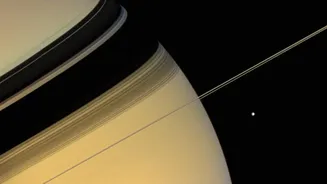
With Binoculars: A good pair of binoculars is a fantastic next step. They will magnify Saturn enough to reveal it not as a point, but as a distinct disk. While standard binoculars won't cleanly separate the rings, powerful, tripod-mounted ones (20x magnification or more) might show the planet as a slightly elongated or oval shape—the first hint of its famous feature. You may also spot its largest moon, Titan, as a faint star-like point nearby.
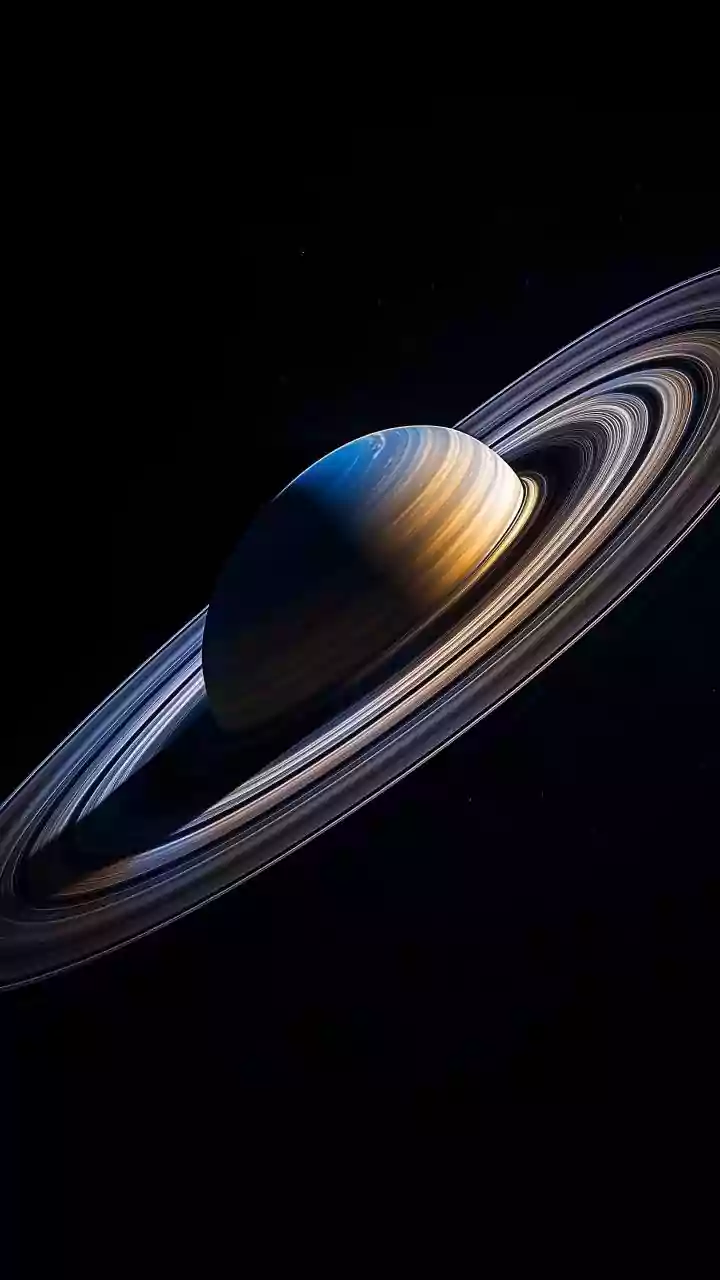
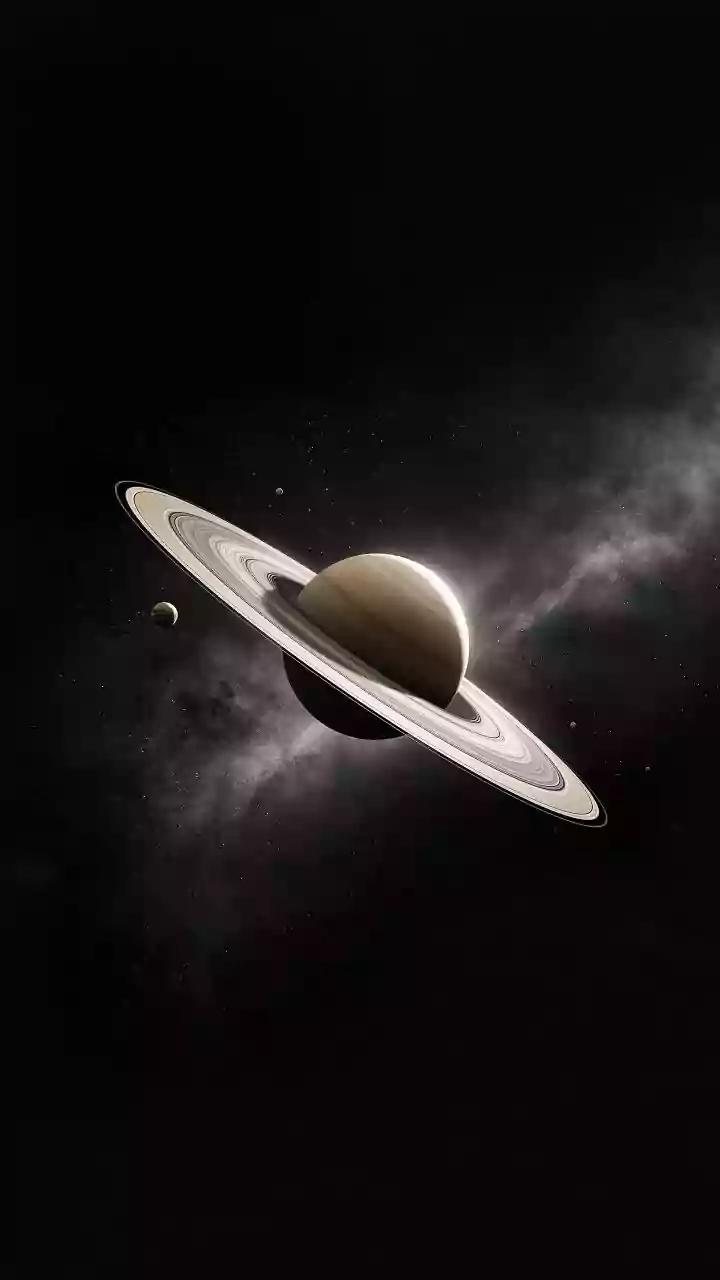
With a Telescope: This is where the magic happens. Even a small, basic telescope can fundamentally change your view of the universe by revealing Saturn’s rings. Seeing them for the first time—a delicate, perfect ring system floating in the blackness of space—is a memorable experience for any stargazer.
Tips for the Best Sighting
To make your Saturn-gazing session a success, a little preparation goes a long way. First, escape the city. Light pollution from urban areas washes out all but the brightest celestial objects. Find a spot in a rural area, a park, or even a rooftop with a clear view away from streetlights. Once you are there, give your eyes about 20-30 minutes to fully adapt to the darkness; this will dramatically increase the number of stars you can see. To avoid ruining your night vision, use a red-light torch or cover a regular torch with red cellophane. Finally, use a stargazing app on your phone, like Star Walk or SkyView, to confirm Saturn's position and explore the constellations around it. These apps make it incredibly easy to orient yourself in the night sky.