




The Backlash Against the 'Instagram-Perfect' Home
The era of the pristine, untouchable showroom is officially on the decline. For over a decade, design was heavily influenced by the stark, neutral palettes of minimalism and the curated perfection seen on social media platforms. This led to spaces that,
while beautiful in photos, often felt impersonal and impractical for daily life. Homeowners are now collectively moving away from this cold, 'catalog-perfect' aesthetic, seeking sanctuaries that support emotional well-being rather than just looking good for the camera. This isn’t about letting things go completely; it’s a conscious move toward creating environments that feel authentic, lived-in, and genuinely welcoming.
Warm Minimalism and Livable Luxury
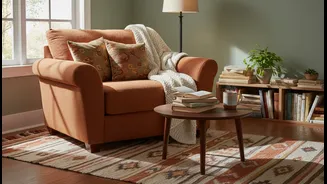
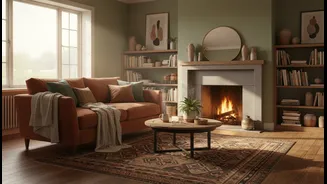
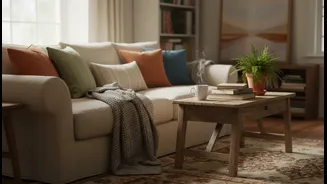
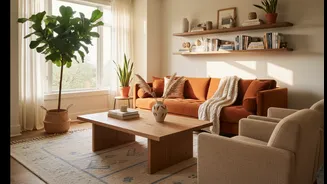
Minimalism isn't disappearing, but it is evolving. Say hello to 'warm minimalism,' a softer, cozier take on the 'less is more' philosophy. This approach trades stark whites and ultra-sleek surfaces for earthy neutrals like clay, sand, and mushroom, paired with natural textures. Think layered rugs, woven textiles, and warm wood tones that make a room feel breathable and grounded. At the same time, the concept of 'livable luxury' is gaining traction. This philosophy balances refinement with function, proving that a home can be elegant without being fragile. It champions the use of durable, high-quality materials and performance fabrics that can withstand the realities of daily life with children, pets, and entertaining guests.
Embracing Imperfection with Wabi-Sabi
A key influence in this shift is the Japanese philosophy of Wabi-Sabi, which finds beauty in imperfection, transience, and incompleteness. This isn't an excuse for messiness, but rather an appreciation for authenticity and things shaped by time. In decor, this translates to celebrating natural materials, handmade objects with slight irregularities, and pieces that show a beautiful patina from age and use. Think of a hand-thrown ceramic vase, a wooden table with visible grain and knots, or a cherished piece of furniture that tells a story. This mindset encourages a move away from mass-produced 'fast furniture' towards more meaningful, soulful items that make a home feel deeply personal.
A Feast for the Senses: Texture and Shape
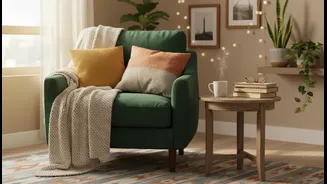
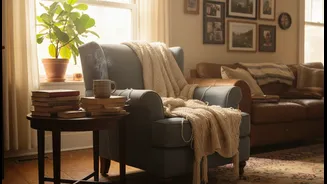
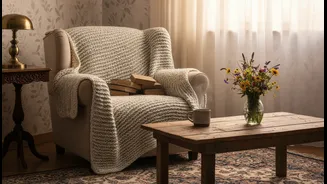
Comfort is a multi-sensory experience, and today's trends reflect that. Tactile materials are everywhere, inviting touch and adding depth to a space. Plush fabrics like bouclé, velvet, and chunky knits are used generously on sofas and chairs. Furniture itself is softening, with sharp edges and rigid lines giving way to curved silhouettes, rounded corners, and organic shapes that feel more human and inviting. This focus on soft geometry creates a gentle visual flow, making rooms feel calmer and more relaxing. From plump, oversized sofas to wavy-legged tables, the new shapes prioritize a huggable comfort over strict formality.
Creating a Collected, Personal Space
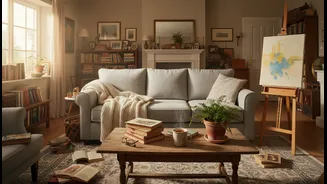
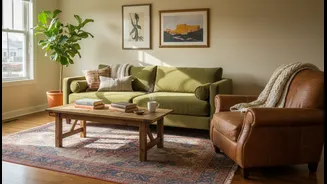
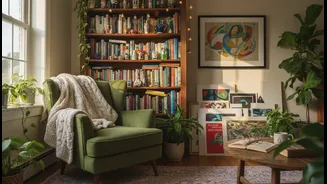
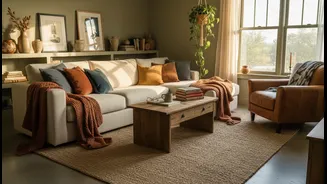
Ultimately, the focus on comfort is about creating a home that is a true reflection of the people who live there. The trend is moving away from rooms where everything matches perfectly, towards spaces that feel collected and curated over time. This means mixing vintage or heirloom pieces with contemporary finds, displaying personal art and mementos, and creating dedicated zones for hobbies and relaxation. Color palettes are also becoming warmer and more personal, with earthy greens, warm terracottas, and deep, muddy hues replacing cool greys. The goal is no longer to create a space that impresses others, but to build a haven that supports and delights you every single day.