





The Reality of Today's Highways
Long-distance road travel in India is a sensory overload. The constant noise from trucks, buses, and cars is more than just an annoyance; it is a significant source of stress and fatigue. Studies have shown that road traffic is a dominant contributor
to urban noise, with levels frequently exceeding safe limits. This constant acoustic assault, combined with air pollution from diesel and petrol engines, makes for an exhausting travel experience. For families, it means strained conversations and irritable children. For business travelers, it means arriving at a destination feeling drained and unprepared. The journey itself, rather than being part of the experience, often becomes an ordeal to be endured.
The Electric Shift: More Than Just Clean Air
The most significant change on the horizon is the transition to electric vehicles (EVs). While the environmental benefits of zero tailpipe emissions are well-known, the impact on the travel experience itself is just as profound. Electric cars and buses operate in near silence. This dramatic reduction in noise creates a serene cabin environment, fundamentally changing the nature of a road trip. Suddenly, it becomes possible to have a normal conversation without shouting, listen to music or a podcast without cranking up the volume, or simply enjoy a moment of peace. This quietness reduces mental fatigue, making drivers more alert and passengers more relaxed. Travel time can be transformed from a stressful blur into a productive or restful period.
Making Travel Time 'Useful' Time
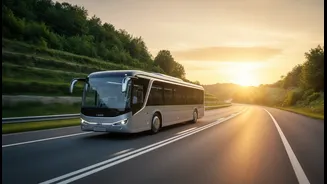
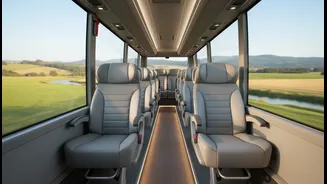
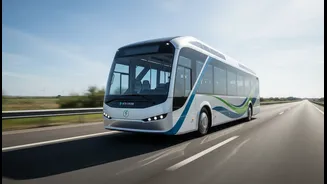
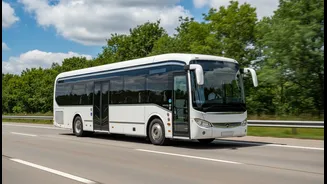
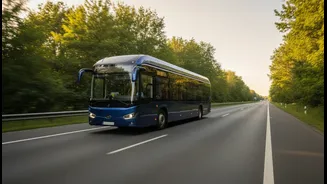
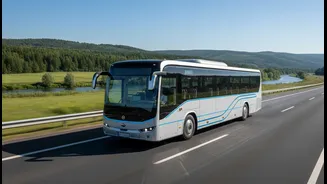
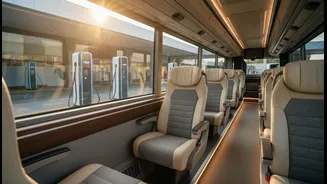
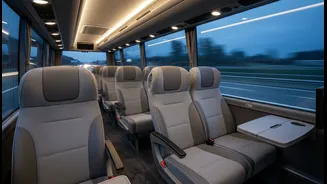
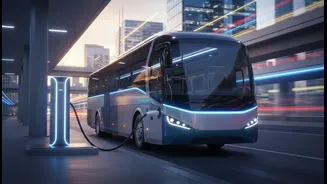
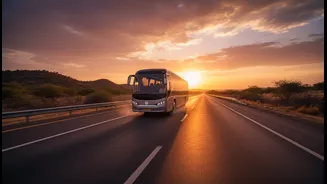
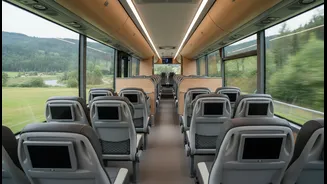
The headline's promise of making road travel "more useful" is where the benefits of a quieter, cleaner journey truly crystallize. In a silent, smooth-moving EV, the car becomes a mobile third space. A business professional can confidently take calls or participate in virtual meetings. A family can enjoy a movie or an audiobook together. For long-haul bus passengers, the shift is even more dramatic. New fleets of electric intercity buses are being deployed on major routes, offering a premium experience with less vibration and noise. Operators find that while the upfront cost is higher, the long-term savings on fuel and maintenance are substantial, allowing them to offer a better service. This makes bus travel a more attractive and competitive option compared to trains or even short-haul flights.
The Infrastructure Hurdle
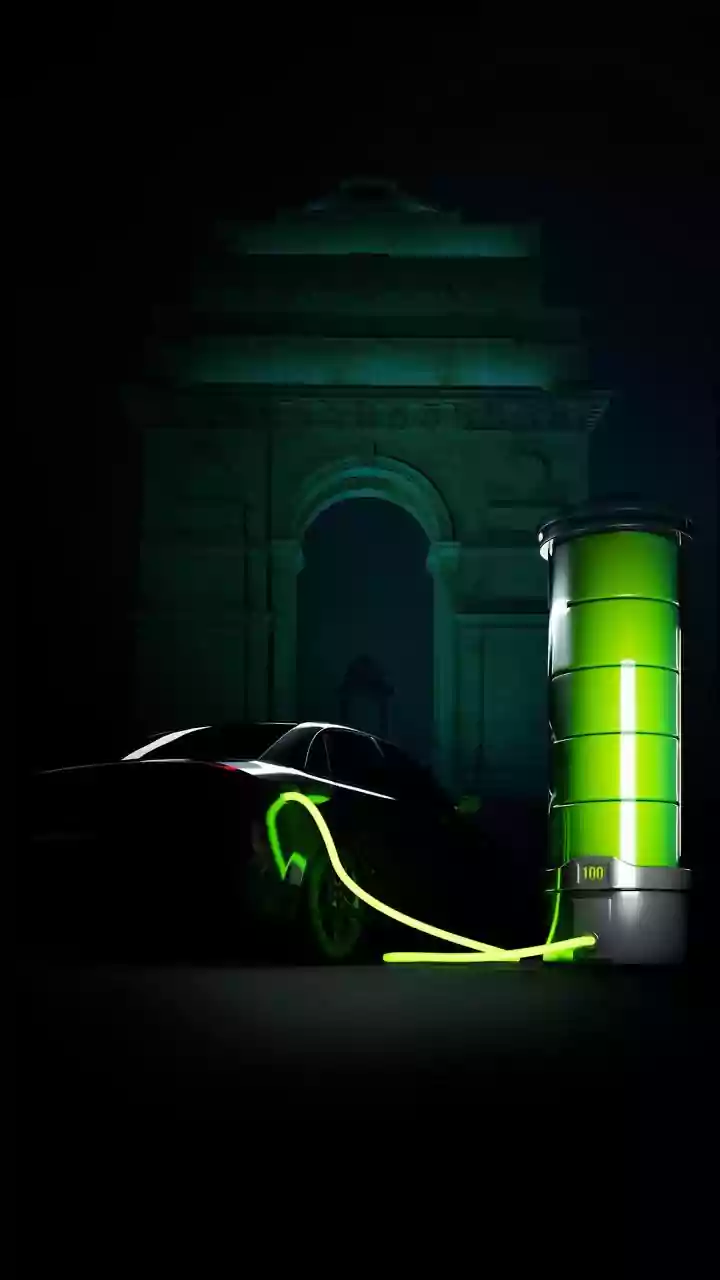
For this vision to become a reality, a massive build-out of supporting infrastructure is essential. The primary challenge for long-distance EV travel has been 'range anxiety'—the fear of running out of power far from a charging point. The government and private sector are now racing to address this. The National Highways Authority of India (NHAI) is integrating EV charging stations into its network of Wayside Amenities, planned every 40-60 kilometres on major highways. In early June 2026, the central government identified 74 priority highway corridors for fast-tracking charging infrastructure to boost the adoption of electric cars, buses, and even trucks. However, challenges remain, including the reliability and uptime of chargers, and standardisation of charging connectors.
A Redesigned Journey Experience
This transformation goes beyond just the vehicles and chargers. India is in the midst of a massive highway expansion, building better, safer, and faster roads. Projects like the Delhi-Mumbai Expressway incorporate advanced engineering, including tunnels under wildlife reserves to minimize environmental impact. These modern highways, combined with the growth of amenities, are reshaping what it means to travel by road. The journey is becoming more predictable and comfortable. This creates new opportunities for tourism, allowing travelers to easily explore destinations that were once difficult to access. The combination of a quiet EV and a smooth, modern expressway promises a travel experience that is not just tolerable, but genuinely enjoyable and useful.