





From Packets to Platters
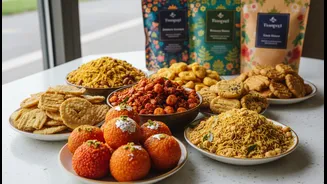
The strategic shift from selling packaged bhujia and sweets to operating full-scale restaurants is a calculated evolution for India's food giants. For years, brands like Haldiram's and Bikanervala built their empires on the back of retail sales and quick-service
counters. Their products became staples in Indian homes and for the diaspora abroad. However, the next phase of growth required a more ambitious approach. By establishing dining spaces, these brands are moving from being just a product to becoming an experience. This allows them to control the entire customer journey, from the factory to the dining table, ensuring quality and presenting their culinary heritage in a curated environment. This move taps into a growing global appetite for authentic, regional Indian food that goes beyond the standard curry.
The Pioneers of the Palate
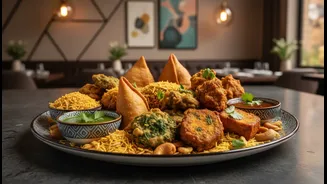
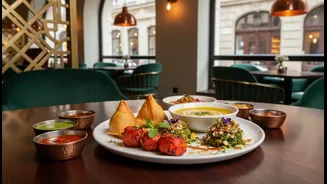
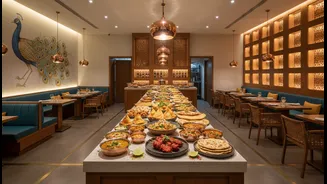
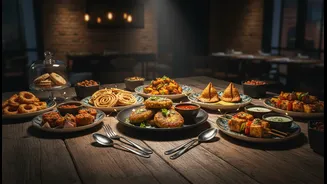
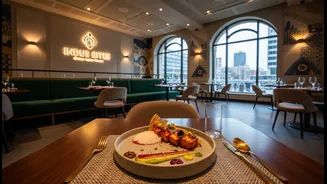
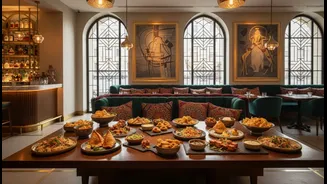
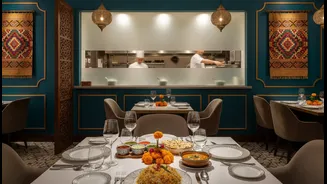
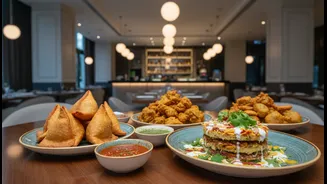
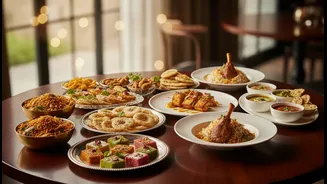
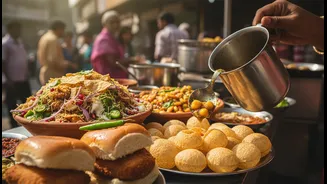
Haldiram's and Bikanervala are at the forefront of this global expansion. In June 2026, Haldiram's launched a 120-seat, full-service restaurant in London's bustling Leicester Square. This isn't just a larger version of their Indian outlets; it's a premium, casual dining venue designed for a leisurely meal, complete with heated outdoor seating. The menu features classics like choley bhature and raj kachori alongside fusion desserts designed for the local market. Similarly, Bikanervala, in partnership with The Montana Group, is aggressively expanding its presence in the UK, building on its existing outlets in countries like the US, Canada, and the UAE. These restaurants often feature a hybrid model, combining a dining area with retail counters for their sweets and packaged snacks, creating a powerful synergy between their business arms.
More Than Just a Meal
Opening a restaurant overseas is not merely a new revenue stream; it's a powerful brand-building exercise. These establishments act as cultural embassies, offering a reliable and authentic taste of India. For the vast Indian diaspora, they provide a nostalgic connection to home. For non-Indian customers, they serve as a trustworthy gateway to the complexities of Indian cuisine, far beyond what they might find in a generic eatery. This 'experiential marketing' builds immense brand loyalty that translates back to their retail products. By creating a high-quality, memorable dining experience, brands elevate their perception from a simple snack maker to a comprehensive culinary authority. This move shows a new level of confidence, asserting Indian brands on the global stage.
The Recipe for Global Success
The success of this strategy hinges on a few key ingredients. First is authenticity. While menus may be slightly adapted, the core flavors remain true to their Indian roots. Second is an understanding of the target market. These brands are not just targeting the diaspora but also a growing number of culturally curious global consumers who are eager to experiment with new cuisines. Third is the operating model. Many use a franchise-heavy model to expand rapidly while maintaining quality control through standardized processes. The choice of location is also critical, with initial launches in cities with a large South Asian population and a proven appetite for Indian food, like London, before planning further expansion into Europe and North America.
Challenges on the Global Stage
Despite the success, expanding overseas is not without its difficulties. Brands must navigate complex local food regulations, which can be much stricter than in India. High operating costs, intense competition from both local and other international chains, and managing complex international supply chains to ensure ingredient freshness and authenticity are significant hurdles. Furthermore, adapting to local labor laws and service expectations requires careful planning and on-the-ground expertise. The success of pioneers like Haldiram's is inspiring others, but it also provides a clear playbook on the operational rigour required to thrive in competitive foreign markets.