


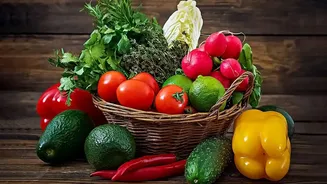
Understanding 'Delicate' Produce
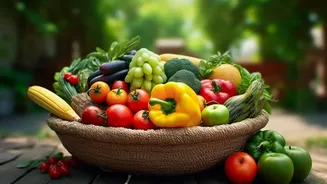
What makes a vegetable 'delicate'? It’s usually a combination of high water content, thin skin, and sensitivity to its environment. Leafy greens, soft herbs, and certain summer vegetables have a much shorter shelf life because they lose moisture rapidly
and are susceptible to damage from temperature changes and ethylene gas, a natural ripening agent produced by many fruits. Hardier vegetables, like root crops, have tough skins and a lower water content, allowing them to stay fresh for weeks, sometimes months, in the right conditions. Recognising this fundamental difference is the first step towards a less wasteful kitchen and a healthier grocery budget. Simple sorting and storage adjustments can make a world of difference.
The Delicate List: Handle with Care
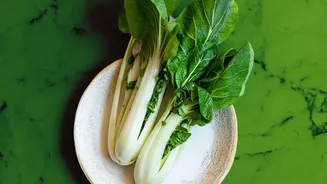
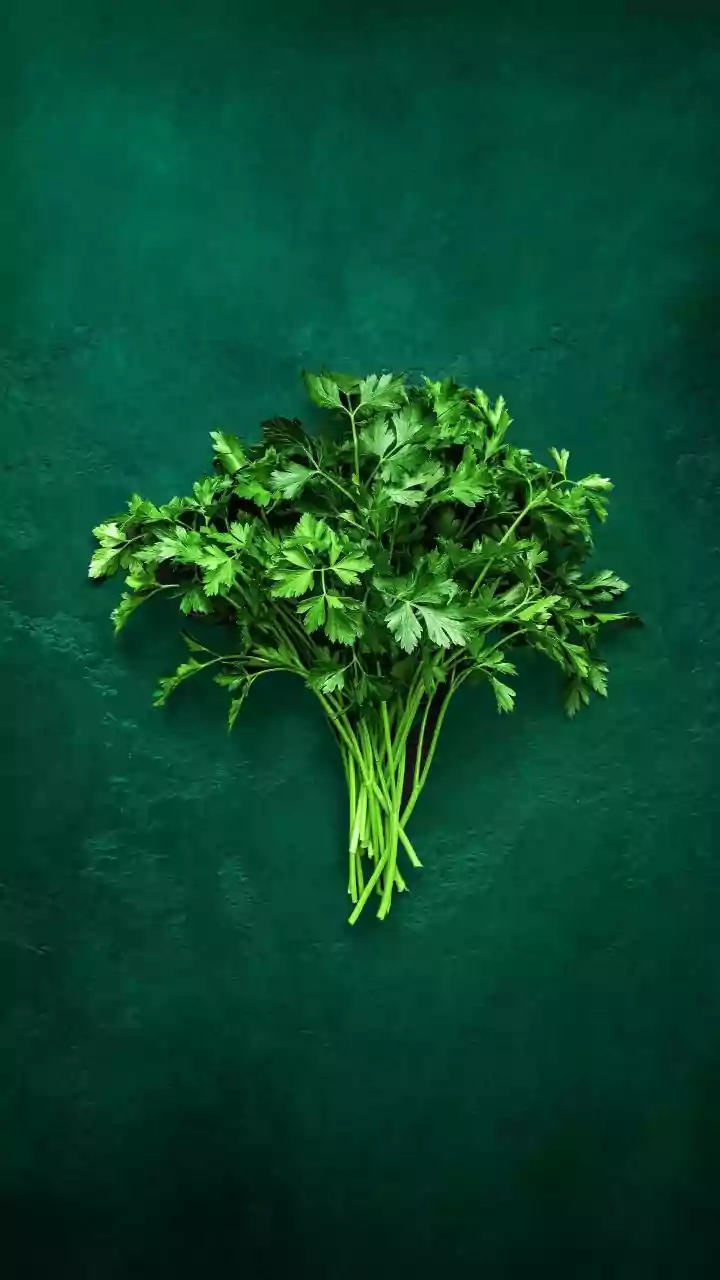
These vegetables require a little extra attention to stay at their best. The key for most is managing moisture and providing some breathing room. For leafy greens like spinach (palak), fenugreek (methi), and lettuces, avoid washing them until you're ready to use them. If you must wash ahead, dry them thoroughly. A popular method in Indian households is to wrap them in a paper towel or a damp muslin cloth before placing them in a container or a bag. This absorbs excess moisture while preventing them from drying out. Fresh herbs like coriander (dhania) and mint (pudina) can be treated like a bouquet of flowers: trim the stems and place them in a jar with a little water, or wrap them in a damp paper towel and store them in an airtight container in the fridge.
The Ethylene Gas Effect: Unseen Spoilage
One of the biggest culprits in premature spoilage is ethylene gas. This invisible plant hormone is released by some fruits and vegetables as they ripen, and it can cause other, more sensitive produce to rot quickly. High ethylene producers include common items like apples, bananas, tomatoes, and peaches. Vegetables that are highly sensitive to this gas include broccoli, cauliflower, carrots, cucumbers, and leafy greens. Storing a bunch of bananas next to your spinach is a recipe for yellow, wilted leaves in just a day or two. To prevent this, create separate zones. Keep your high-ethylene-producing fruits in a bowl on the counter, away from everything else. Designate one crisper drawer in your fridge for ethylene-sensitive veggies and another for fruits or less-sensitive items.
Hardy Vegetables: The Pantry Staples
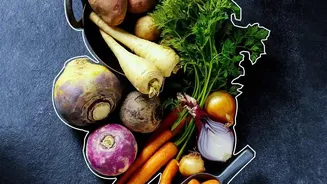
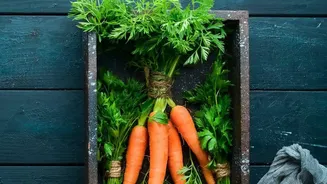
On the other end of the spectrum are the sturdy workhorses of the kitchen. Root vegetables like potatoes, carrots, beets, and sweet potatoes, along with onions and garlic, are built for longevity. However, they still have specific needs. These vegetables prefer a cool, dark, and dry environment, which is why a pantry or a cupboard is often better than the refrigerator. Keep potatoes and onions separate; storing them together can cause the potatoes to sprout faster. Garlic should also be kept in a well-ventilated space. While root vegetables are less fussy, they shouldn't be completely forgotten. Check on them periodically to remove any that show signs of spoilage, as one bad vegetable can affect the whole batch.
Smart Fridge Organisation for Fresher Food
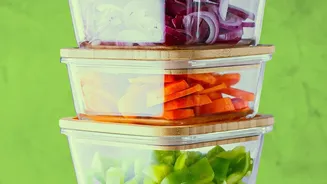
Your refrigerator is a powerful tool, but only if used correctly. Most fridges have crisper drawers with adjustable humidity settings. As a general rule, use the high-humidity setting for delicate leafy greens and other vegetables prone to wilting. Use the low-humidity setting for fruits and vegetables that release ethylene gas, as this allows the gas to escape. Don’t overcrowd your drawers; good airflow is crucial for keeping produce fresh. For many vegetables like okra (bhindi), green beans, and chillies, storing them dry in a paper-towel-lined bag or container can significantly extend their life by managing moisture.