




The Anatomy of a Rail Disruption
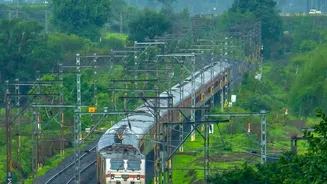
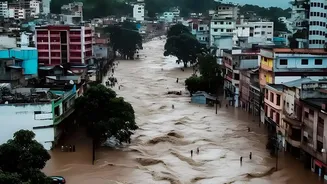
When heavy rains lash the southern states, the railway network faces a multi-pronged assault. The most visible issue is waterlogging, where tracks become submerged, forcing trains to halt or run at drastically reduced speeds. According to railway protocols,
if water accumulates more than 100mm above the rail level, services are suspended for safety. Beyond flooding in plain areas, the ghat sections, particularly on routes like the Konkan Railway and lines passing through Kerala and Tamil Nadu, face a more severe threat: landslides and soil erosion. Intense rainfall can saturate the soil on cuttings and slopes, leading to mud, boulders, and trees falling onto the tracks. In some cases, the ballast—the bed of crushed stones that supports the tracks—can be washed away entirely, rendering the line unusable. Another critical point of failure is the signal and communication system, which can malfunction due to moisture, leading to further delays and safety concerns.
What Passengers Should Expect
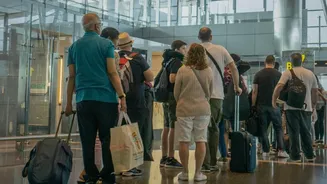
For travellers, these weather events translate into a cascade of logistical challenges. The most immediate impact is the cancellation, diversion, or short-termination of trains. When a primary route is blocked, trains may be diverted onto much longer alternative paths, significantly extending travel time. Even when services are running, expect major delays as loco pilots are instructed to operate at reduced speeds, often as low as 40 kmph, during periods of low visibility or heavy downpour. This leads to crowded platforms, uncertainty, and the knock-on effect of connecting trains being missed. In recent years, severe rainfall in southern Tamil Nadu has led to the suspension of traffic and diversion of multiple services, affecting routes connecting to Kerala and beyond. Getting timely information and arranging for refunds or alternative transport can become a significant source of stress for passengers caught in the disruption.
How Indian Railways Is Preparing
Indian Railways undertakes extensive monsoon preparedness works every year to mitigate these impacts. Both Southern Railway and South Western Railway have identified hundreds of vulnerable locations, including bridges and sections prone to flooding or landslides. Pre-monsoon measures include cleaning and desilting drains and culverts, strengthening bridge foundations, and stabilising slopes with techniques like rock bolting and building retaining walls. To enhance monitoring, special patrol teams are deployed 24/7 in high-risk areas, especially during heavy rainfall warnings from the IMD. Technology is also playing a bigger role. Water Level Monitoring Instruments (WLMIs) are installed at critical bridges to provide real-time data. On the Konkan route, an AI-based system is being piloted to detect landslides, fallen boulders, and other obstructions on the track and send immediate alerts. For emergencies, relief trains with medical equipment and wagons loaded with materials like sandbags and boulders are kept on standby for quick restoration work.
A Traveller's Guide to Monsoon Journeys
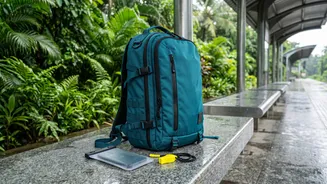
While the railways work to keep the network running, passengers can take several steps to make their journey smoother and safer. First and foremost, stay updated. Before and during your trip, frequently check your train's status using official channels like the NTES app or the railway's social media handles. Given the high probability of delays, build extra time into your travel schedule. It is wise to pack essentials like extra food, water, a power bank, and any necessary medications, as you could be stranded for several hours. Be aware of the railway's refund policies for cancelled or heavily diverted trains. If you are travelling through a region with a heavy rain alert, be mentally prepared for disruptions and have a backup plan if possible. Onboard the train, follow all instructions from railway staff, as they are issued for your safety. Following these simple guidelines can help reduce the stress of travelling during a challenging weather season.