






The Mission: What is Vikram-1?
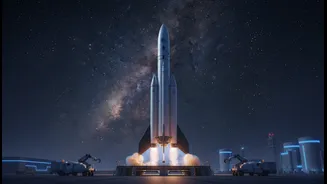
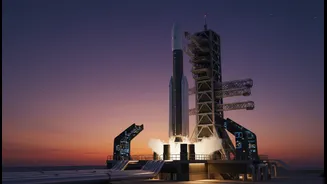
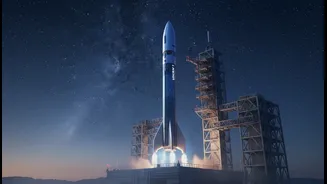
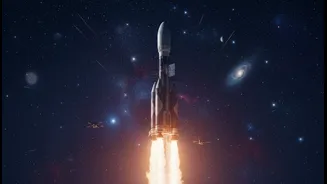
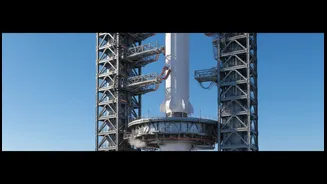
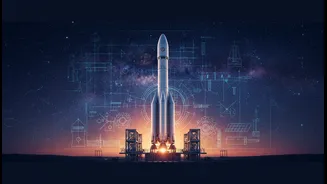
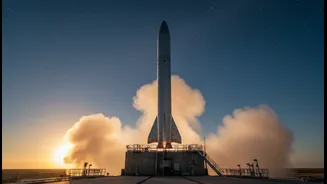
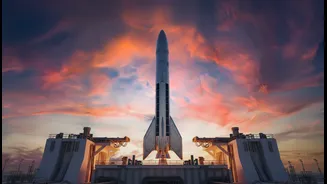
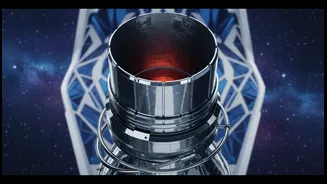
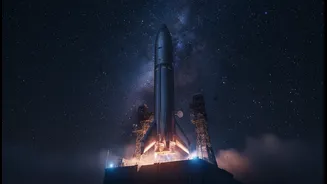
Named after Dr. Vikram Sarabhai, the father of India's space program, Vikram-1 is a seven-storey-tall, multi-stage launch vehicle designed to make space access cheaper and more frequent. Unlike a suborbital rocket that just touches the edge of space and falls
back, an orbital rocket like Vikram-1 is powerful enough to achieve the velocity needed to circle the Earth, deploying satellites into orbit. This mission, named 'Aagaman' (Arrival), aims to place payloads into a Low Earth Orbit around 450 km high. The rocket itself is a feat of Indian engineering, featuring carbon-composite structures, 3D-printed engines, and a sophisticated liquid-fueled final stage for precise satellite placement. A successful launch would make India only the fourth country to have a private company achieve this feat, after the US, China, and New Zealand.
Fueling Growth: The Hiring Boom
A mission this ambitious requires a formidable team. The preparations for Vikram-1 have been accompanied by a significant hiring wave at Skyroot Aerospace. This isn't just about adding numbers; it's a strategic expansion to build capabilities for a future where they aim to launch rockets as frequently as once a month. The company, which has already grown to over 1,000 experts, is actively seeking specialists in fields like structural engineering, thermal analysis, CNC programming, and avionics. This boom in high-tech jobs reflects the immense confidence in the commercial viability of India's space sector. For students and engineers across the country, it signals a new and exciting career frontier beyond traditional government roles, promising a chance to work on cutting-edge, world-class technology.
Not a Solo Flight: India's New Space Race
While Skyroot is on the verge of a major milestone, it's not the only player in this exciting new arena. The competition is heating up, creating a dynamic and competitive ecosystem. Chennai-based Agnikul Cosmos is another formidable contender, known for its Agnibaan rocket and the world's first single-piece 3D-printed engine. Other startups like Pixxel (hyperspectral imaging) and Dhruva Space (satellite manufacturing) are also making significant strides. This rivalry is a healthy sign for the industry, pushing companies to innovate faster, reduce costs, and develop more sophisticated technology. The ultimate beneficiaries are the customers—satellite operators who now have more choices for getting to space—and the Indian economy, which stands to gain from this surge of innovation and investment.
Government as Launchpad: The Role of IN-SPACe
This private-sector boom didn't happen in a vacuum. A crucial catalyst has been the Indian government's policy shift since 2020 to open up the space sector. The creation of the Indian National Space Promotion and Authorisation Centre (IN-SPACe) has been a game-changer. Acting as a single-window agency, IN-SPACe facilitates, authorizes, and supervises the activities of private space companies. It allows startups like Skyroot to use ISRO's world-class facilities, such as the launch pads at Sriharikota, and provides crucial regulatory support. This public-private partnership model is designed to accelerate growth, allowing ISRO to focus on deep-space and scientific missions while private players drive the commercial launch market.
The Bigger Picture: Why It Matters for India
The launch of Vikram-1 is more than just one rocket. It's a defining moment for India's ambition to become a major player in the global space economy, which is projected to be worth over a trillion dollars. A successful private launch capability makes India a more attractive destination for global satellite companies looking for cost-effective and reliable launch services, a market long dominated by a few international players. It strengthens India's strategic autonomy, creates high-value jobs, and fosters a 'NewSpace' ecosystem that will spur innovation across multiple sectors, from communications and agriculture to disaster management and national security. The 'Aagaman' mission truly signals the arrival of a new era for India in space.