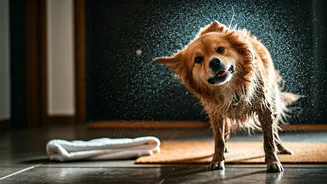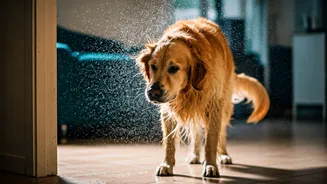




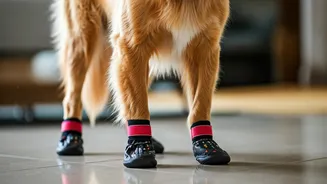



Why a Thorough Dry is Non-Negotiable
It’s not just about protecting your furniture from that infamous ‘wet dog’ smell. Leaving your dog’s coat damp for extended periods can create a breeding ground for bacteria and yeast. This can lead to painful skin infections, hot spots (acute moist dermatitis),
and fungal issues, especially within skin folds and between paw pads. A proper drying routine is a crucial part of preventative healthcare, saving you from potential vet bills and your pet from discomfort. Think of it as the final, most important step of the walk itself.
Assemble Your Drying Toolkit
Being prepared is half the battle. Don't wait until you have a dripping dog shaking all over your living room. Set up a designated drying station near your front door with these essentials: 1. **Microfiber Towels:** These are far more absorbent than standard cotton towels. They pull water out of the coat quickly, drastically cutting down drying time. Keep a stack ready. 2. **An Old Doormat or Absorbent Mat:** Place it just inside the door for your dog to stand on, containing the initial drips and mud. 3. **Paw Wipes or a Paw Plunger:** For cleaning muddy paws before your dog tracks dirt through the house. A paw plunger is a small silicone-bristled cup you fill with water to quickly wash each paw. 4. **A Pet-Specific Blow Dryer:** Human hair dryers are often too hot and can burn a dog’s sensitive skin. A pet dryer uses lower heat and higher airflow to dry the coat safely and efficiently.
Master the Towel-Drying Technique
There's an art to a good towel-dry. Instead of vigorously rubbing the fur, which can cause matting and tangles, use a 'blot and squeeze' method. Start from the head and work your way down to the tail. Drape the microfiber towel over a section of your dog’s body and press down firmly to absorb the water. Squeeze the water out of longer fur on the legs, tail, and ears. Use a separate, smaller towel for the face and another for the paws. This systematic approach ensures you don't miss any spots and gets the majority of the moisture out before you even think about reaching for a dryer.
Using a Blow Dryer Safely
For dogs with thick or double coats (like Huskies, German Shepherds, or Golden Retrievers), a blow dryer can be a lifesaver. However, safety is paramount. Always use the lowest heat setting and a medium-to-low airflow. Keep the dryer nozzle at least a few inches away from your dog's skin and keep it constantly moving to prevent any single spot from overheating. Start by getting your dog accustomed to the noise. Turn it on from a distance and offer treats. Gently blow the air on their back first, avoiding the face and ears initially. Pay special attention to the dense undercoat, which can hold moisture for hours.
Don't Forget the Paws and Ears
Two of the most common problem areas for moisture-related issues are the ears and the spaces between the paw pads. After drying the body, use a soft, dry cloth or a cotton ball to gently wipe the inside of your dog's ear flaps. Never insert anything into the ear canal. For the paws, carefully dry between each toe and pad. Trapped moisture here is a primary cause of yeast infections, which lead to constant licking and irritation. A quick, focused effort in these areas makes a huge difference in your dog's overall health and comfort.