





Why 'Whole' Is the Magic Word
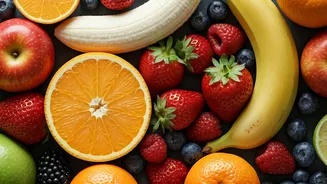
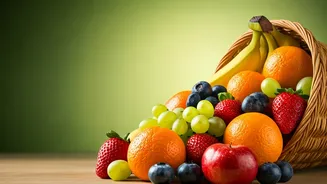
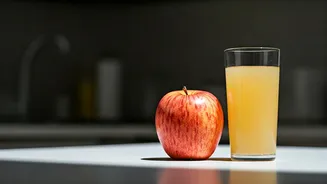
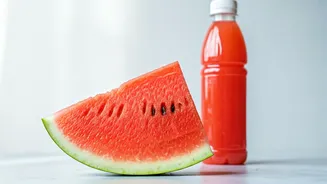
When we talk about whole fruit, we're talking about the complete package: flesh, skin, and, most importantly, fibre. This isn't just about an apple versus apple juice. The fibre in a whole piece of fruit acts as a natural brake system for your body. It
slows down the absorption of fructose, the natural sugar in fruit, preventing the sharp blood sugar spikes and subsequent crashes associated with processed sweets and even fruit juice. This slow-release energy means you feel fuller for longer. Think of it this way: the fibre creates a complex matrix that your digestive system has to work to break down, giving you sustained satisfaction rather than a fleeting sugar rush. This process is what makes a juicy mango slice far more satiating than a mango-flavoured candy.
A Nutrient-Packed Powerhouse
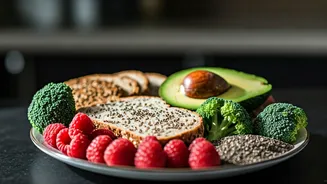
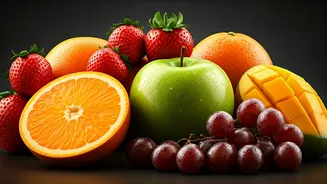
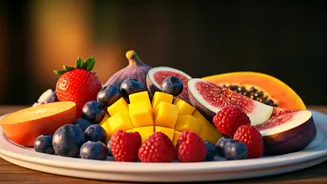
Beyond just satisfying a craving, whole fruits are nutritional powerhouses. Each bite delivers a potent mix of vitamins, minerals, antioxidants, and phytochemicals that are essential for good health. For instance, a simple guava is loaded with Vitamin C, boosting your immunity. A banana provides potassium, crucial for heart health and blood pressure regulation. Papayas are rich in enzymes that aid digestion, while the vibrant colours of berries and pomegranates signal a high concentration of antioxidants that fight cellular damage. Processed snacks are often fortified with a few synthetic vitamins, but they can never replicate the complex, synergistic blend of nutrients found in their natural state. By choosing a bowl of mixed fruit chaat over a packet of biscuits, you are actively choosing to fuel your body with goodness.
Simple Swaps to Satisfy Cravings
Integrating whole fruit doesn't require a complete diet overhaul. It’s about making small, smart swaps. Craving ice cream? Try blending a frozen banana with a splash of milk for a creamy, naturally sweet 'nice cream'. Looking for a crunchy, sweet snack? A crisp apple with a spoonful of peanut butter offers a perfect balance of carbohydrates, protein, and healthy fats. You can also freeze grapes for a bite-sized, candy-like treat on a hot day. Instead of reaching for a sugary drink, infuse your water with slices of lemon, orange, or watermelon for a refreshing and hydrating alternative. The goal isn't deprivation; it's an upgrade. By having these delicious, healthy options readily available, you make it easier to choose them when a craving strikes.
But What About the Sugar in Fruit?
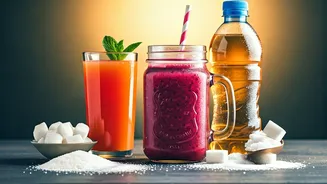
It’s a common concern: isn't sugar just sugar? Not quite. The key difference lies in the source and what comes with it. The 'free sugars' found in table sugar, syrups, and processed foods are quickly absorbed, contributing to weight gain and other health issues when consumed in excess. The World Health Organization recommends limiting these free sugars. However, the sugar in whole fruit is 'intrinsic sugar'—it’s naturally bound within the fruit's cellular structure, packaged with fibre, water, and nutrients. This structural difference fundamentally changes how your body processes it. As long as you are eating the fruit in its whole form, the benefits of the nutrients and fibre far outweigh concerns about its natural sugar content for most people. The problem arises with juices and smoothies where the fibre is broken down or removed, turning it into a source of free sugar.