



The Green Herb Graveyard
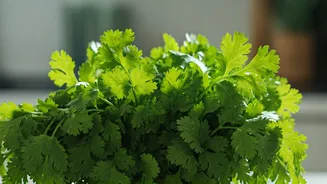
Coriander, or dhania, is the backbone of so many Indian dishes. It’s the vibrant garnish on dal, the essential base for chutneys, and the fresh kick in a curry. Yet, it has a tragically short lifespan. You buy a beautiful, fragrant bunch from the market,
use a few sprigs, and store the rest with the best intentions. A few days later, you’re met with a sad, slimy, yellowing mess in your vegetable drawer. This isn't just frustrating; it's a constant drain on your grocery budget and a significant source of food waste. The delicate leaves and tender stems of herbs like coriander are full of water, which makes them spoil quickly once harvested. But the solution isn’t to stop buying them; it’s to get smarter about how we use and preserve them.
The Hack: From Scrap to Supply
The secret to saving money on coriander is not just about better storage—it's about regeneration. You can regrow a new, living coriander plant from the base of the bunch you bought at the store. It sounds like a complex gardening trick, but it’s surprisingly simple and requires minimal equipment. By doing this, you turn a one-time purchase into a continuous source of fresh leaves right on your windowsill. Imagine snipping off fresh dhania whenever you need it, without another trip to the market. This hack essentially creates a living herb garden from what you would have otherwise thrown away. It’s sustainable, cost-effective, and incredibly rewarding.
Step 1: Get Started with Water
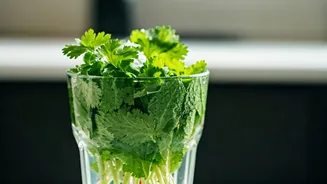
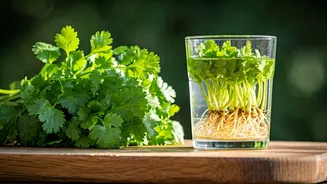
First, inspect your store-bought coriander. For this to work, you need a bunch that still has the root base attached. Many vendors sell them this way. Snip off the leaves and upper stems for immediate use, leaving about two inches of stem attached to the roots. Next, find a small glass jar or a cup. Fill it with about an inch of clean water—just enough to submerge the roots without soaking the stems, which can cause them to rot. Place the coriander base into the jar and set it on a sunny windowsill where it can get several hours of indirect sunlight each day. Change the water every other day to keep it fresh and prevent bacterial growth. Within a week or so, you should start to see tiny new green leaves sprouting from the centre of the stems. This is the first sign of success!
Step 2: Transition to Soil
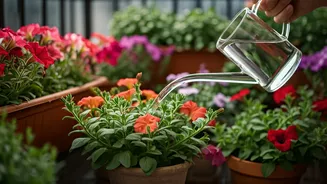
Once your coriander base has developed a few new leaves and the roots look healthy, it's time to move it to a more permanent home. The water provides an initial boost, but soil offers the nutrients the plant needs to thrive and produce a lush supply of leaves. Choose a small pot (about 6-8 inches in diameter) with drainage holes at the bottom. Fill it with a good quality potting mix. Make a small hole in the centre of the soil, deep enough to accommodate the roots. Gently place your rooted coriander base into the hole and pat the soil around it to secure it in place. Water it lightly, ensuring the soil is moist but not waterlogged. Place the pot back in a sunny spot. Coriander loves sunlight but can be sensitive to intense, direct afternoon heat, so a spot with morning sun is ideal.
Harvesting Your Endless Supply
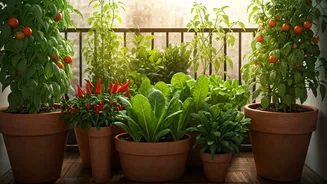
Your new coriander plant will continue to grow. To harvest, don't just rip leaves off. Use a pair of scissors to snip the outer, larger leaves from the base of the plant. Avoid cutting more than one-third of the plant at a time. This encourages the plant to direct its energy toward producing new growth from the centre, ensuring a continuous, cut-and-come-again supply for weeks, or even months. You’ll notice the flavour of homegrown coriander is often more intense and fragrant than what you buy at the store. It’s a small victory every time you garnish a dish with herbs you grew yourself from nothing.
Bonus Tip: Extend the Life of Any Bunch
While your new plant is growing, you can make the original bunch last much longer with a better storage method. Instead of leaving it in the plastic bag, wash and gently pat the coriander dry. Wrap the bunch loosely in a slightly damp paper towel, place it inside an airtight container or a zip-lock bag, and store it in the crisper drawer of your refrigerator. The paper towel regulates moisture, preventing the leaves from becoming either slimy or dried out. This simple trick can extend the life of your fresh herbs from a few days to over two weeks.