






More Than Just 'No Screens'
When we talk about 'analogue living', it's easy to picture someone dramatically throwing their smartphone into a river. But the reality is far more subtle and intentional. It’s not about rejecting technology wholesale, but about consciously curating our
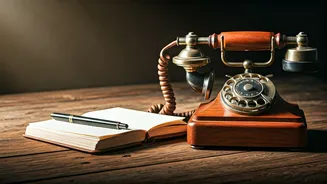
experiences to favour the tangible, the single-focused, and the deliberately slow. Think of the warm crackle of a vinyl record before the music starts, the distinct smell of an old book’s pages, or the deliberate process of loading film into a camera. These aren’t just nostalgic acts; they are mindful choices. Analogue living is about trading the endless, shallow scroll for deep, immersive engagement. It’s choosing a board game with friends over a multiplayer video game, writing a letter instead of a text, or developing a roll of film and waiting, with anticipation, for the results. It prioritises the process over instant gratification.
The Psychology of the Unplug
So, why the sudden pull towards this seemingly outdated way of life? The answer lies in our collective digital fatigue. We live in an 'attention economy' where our focus is the product being sold. Every notification, alert, and autoplay video is designed to keep us hooked, creating a low-grade, persistent anxiety. Our brains, not evolved for this constant barrage of stimuli, are exhausted. Analogue activities offer a powerful antidote. They demand single-tasking, a practice that is becoming increasingly rare and, as a result, deeply restorative. When you're listening to a record, you’re just listening. When you're knitting, you’re just knitting. This focus allows our minds to enter a state of 'flow,' which psychologists identify as deeply satisfying and crucial for mental well-being. It’s a rebellion against the tyranny of the urgent, a way to reclaim our mental space from the corporations vying for every second of our attention.
Why 'Luxury' Is the Right Word
Calling this a 'luxury' isn’t an exaggeration. In today's world, the ability to disconnect is a status symbol. True luxury is no longer just about owning expensive things, but about having control over your time and attention. Being 'always on' is often a necessity for those in precarious employment, while the power to be unavailable—to truly switch off for an evening or a weekend—is a privilege often reserved for those with professional and financial security. Furthermore, analogue hobbies often come with a price tag. A good turntable, vinyl records, film cameras, and the cost of developing film are not insignificant expenses. Subscribing to print magazines or buying hardcover books is a deliberate financial choice when digital versions are cheaper or free. This investment signals a commitment to a certain quality of life, one that values depth and texture over speed and convenience. It says, 'I can afford to slow down.'
The Analogue Revival in India
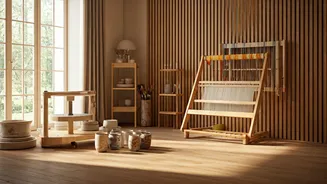
This global trend has found fertile ground in India. In cities like Mumbai, Delhi, and Bengaluru, niche communities are flourishing. Board game cafes are packed on weekends with groups seeking face-to-face interaction. Independent bookstores are celebrated as cultural hubs, and the demand for vinyl records has sparked a revival of record stores. Young photographers are experimenting with vintage film cameras, drawn to the unpredictable, imperfect beauty of film grain over pixel-perfect digital shots. We're also seeing a renewed appreciation for handmade crafts—pottery, weaving, and calligraphy workshops are gaining popularity as people seek tactile hobbies that produce something real and lasting. This isn't just about hipsters; it's a wider cultural shift. It’s a quiet search for authenticity in a world of digital filters and curated online personas.