




The Root of Movement in Tai Chi
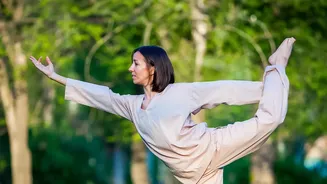
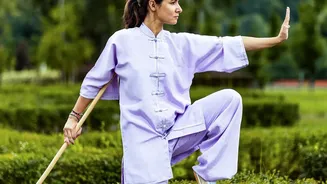
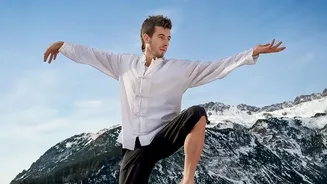
In Tai Chi, weight shifting is a deliberate, conscious act. Practitioners learn to distinguish between 'substantial' (the leg bearing weight) and 'insubstantial' (the empty leg). The goal is to shift 100% of your weight to one leg, feeling rooted to the ground,
before lifting the other to take a step. This process is not about leaning or falling into the next movement; it's a mindful transfer of your center of gravity that promotes immense stability and leg strength. The movements are slow, continuous, and controlled, emphasizing a strong mind-body connection and heightened awareness of your body's position in space, a concept known as proprioception. This method builds a powerful sense of groundedness, connecting the body as a single, coordinated unit from the feet up.
Momentum and Edges in Skating
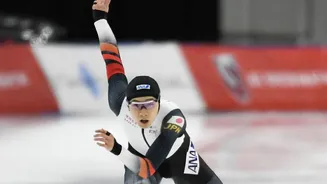
Weight shifting in skating—whether on ice, rollerblades, or quad skates—is all about managing momentum. Unlike Tai Chi's static stability, skating is inherently dynamic. A skater shifts their weight not just to balance, but to propel themselves, turn, and stop. This often involves rapid, reactive adjustments. On ice, you balance on a blade a few millimeters wide, where even tiny weight shifts are amplified by the low-friction surface. Turns are executed by leaning and pressing into the inside or outside edge of the blade. Roller skating provides a wider, more stable base, but the principle is the same: shifting weight from side to side creates propulsion, and leaning into turns engages the edges of the wheels. It's a constant dance with forward motion and external forces.
Grounded Stillness vs. Dynamic Flow
Here lies the central difference. Tai Chi's weight shift is designed to create a solid, immovable root before any action is taken. You shift to become stable. In skating, the weight shift is the action. You shift to generate flow and control speed. Tai Chi teaches you to sink your weight and connect to the earth, achieving balance through stillness. Skating teaches you to manage your balance while in a state of continuous motion, often on a slippery and unpredictable surface. A Tai Chi practitioner seeks to feel their weight descend through the 'bubbling well' point on the sole of the foot, while a skater is constantly adjusting their weight over a moving blade or wheels.
A Study in Contrasting Rhythms
The rhythm of weight transfer also sets the two disciplines apart. Tai Chi is characterized by its slow, even, and meditative pace. The transfer of weight is smooth and unbroken, aiming to eliminate any jerkiness or interruption of energy. This builds control and body awareness. Skating, conversely, involves a wide range of rhythms. It can be a smooth, consistent glide, but it also requires quick, explosive shifts of weight for acceleration, sharp turns, or stopping. While a Tai Chi student practices being stable on one leg, a skater learns to rapidly alternate which leg is providing power and which is gliding.
How Each Discipline Can Help The Other
The two practices are surprisingly complementary. A skater who practices Tai Chi can see dramatic improvements in their core strength, balance, and body awareness. The Tai Chi principle of maintaining an upright, relaxed posture and understanding one's center of gravity can help a skater feel more stable and less prone to wobbling. Conversely, a Tai Chi practitioner who takes up skating will find their principles tested in a dynamic, real-world environment. The challenge of maintaining balance on a slippery surface can offer new insights into their own stability and alignment. One practitioner and figure skater noted that while Tai Chi helped her learn to skate with confidence, the physical demands of skating led her to a deeper understanding of Tai Chi principles.